
EBLC November 2026 Election Voter Guide

EBLC Takes Positions on Critical Initiatives on the Ballot this November
As the November election approaches, EBLC is sharing the organization’s positions on key regional and state ballot measures in alignment with our mission to advance economic vitality and quality of life across the East Bay. These positions reflect our work across a wide range of issue areas, including transportation, housing, education, health care, civic engagement, fiscal stability, and economic competitiveness.
Read on to learn more about the impacts of each measure on the East Bay’s economy and quality of life should they pass this November.
REGIONAL

Overview of the Measure
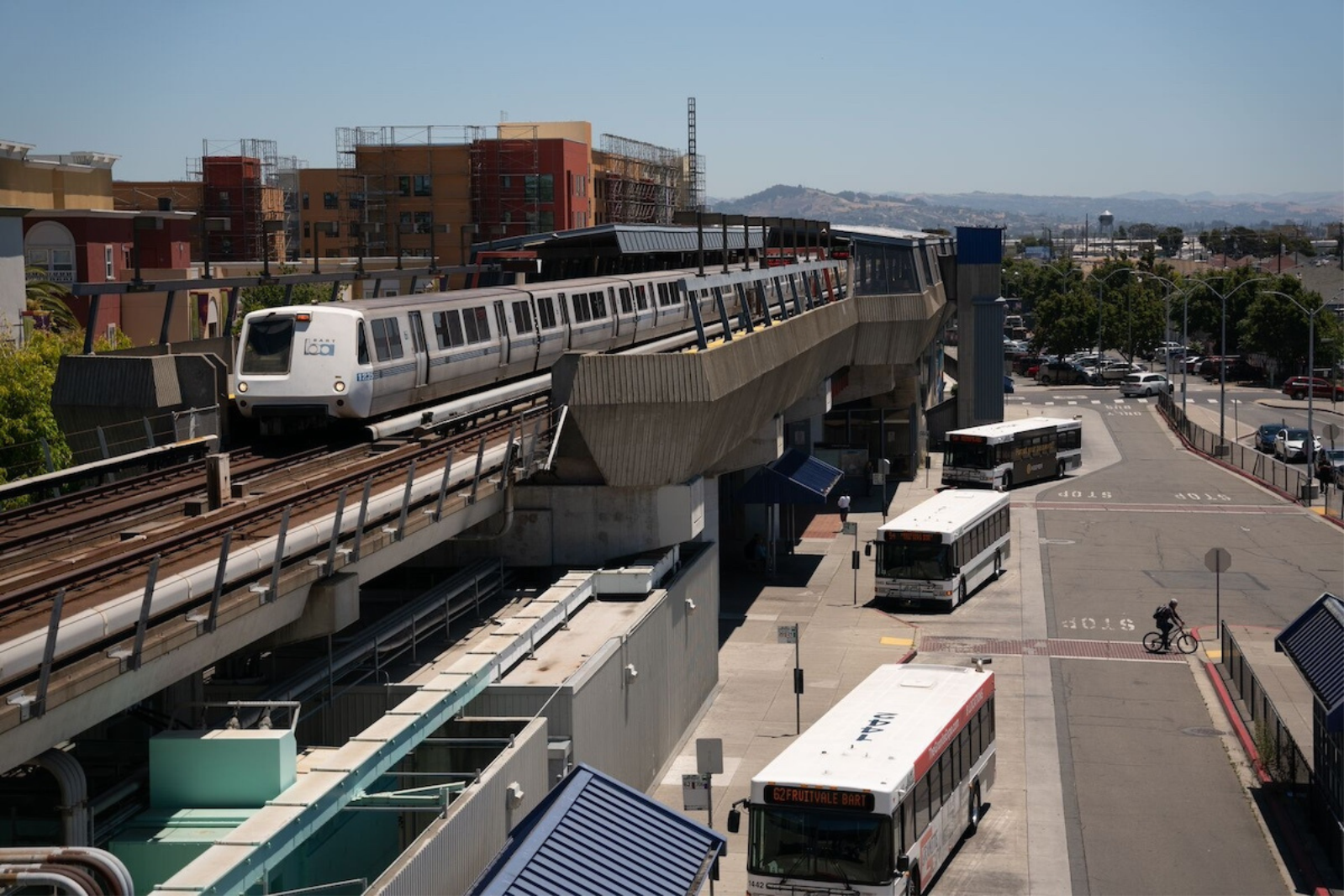
Measure RTM would establish a 14-year regional sales tax to fund public transportation across Alameda, Contra Costa, San Francisco, San Mateo, and Santa Clara counties. The measure would increase sales taxes by 1% in San Francisco and 0.5% in all other participating counties, generating approximately $1 billion annually across the five counties. The funding would primarily support operations at major transit agencies, including BART, AC Transit, Caltrain, and Muni, which face significant budget shortfalls and potential service reductions. Additional funding would support smaller transit agencies across the Bay Area, including County Connection, LAVTA, Tri Delta Transit, and WestCAT in the East Bay, as well as improvements to transit safety, accessibility, and reliability. The measure would also establish financial oversight and accountability requirements to monitor how funds are spent and improve transit agency performance, with the goal of maintaining essential services while strengthening the region's transportation network.
EBLC’s Position
EBLC is supporting Measure RTM because a strong, reliable public transit network is essential to the East Bay’s economic vitality and quality of life. Transit connects residents to jobs, schools, medical appointments, and essential services, provides employers with access to their workforce, and helps reduce congestion on our roads. As our region continues to grow, investing in the transit system that keeps our communities and economy connected is more important than ever.
With major transit agencies facing significant budget shortfalls, the future of that system is at risk. Without additional funding, severe service reductions and potential BART station closures could disrupt these critical connections, threatening residents’ mobility and the region’s economic competitiveness. The consequences would extend well beyond transit riders, with SPUR’s Bumper to Bumper report projecting that traffic delays on the Bay Bridge alone could more than double during peak hours as more commuters turn to driving.
Measure RTM offers an opportunity to avoid these devastating cuts while investing in a stronger, more reliable transit system. By preserving essential services while also strengthening financial oversight and accountability, the measure would help ensure that public resources are used responsibly while supporting the East Bay’s continued economic growth.
STATE

Overview of the Proposition
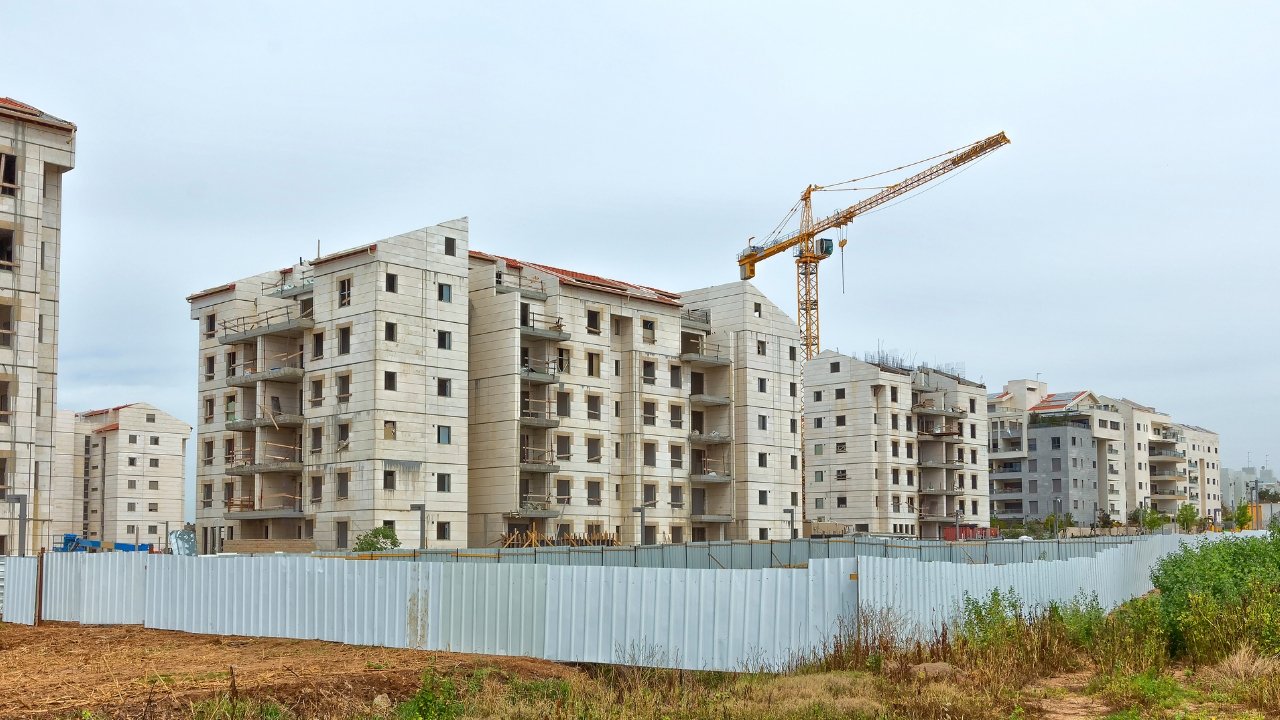
Proposition 1 would authorize the state to issue $11.25 billion in general obligation bonds to help address California’s ongoing housing affordability crisis. Of this total, $10 billion would support the construction and rehabilitation of affordable rental housing, homeownership assistance programs, farmworker and student housing, and infrastructure improvements needed to support new housing developments. The remaining $1.25 billion would fund California’s Veterans Home Loan Program, which provides home loans to eligible veterans.
EBLC’s Position
EBLC is supporting Proposition 1 because addressing California’s housing crisis requires both building more homes and ensuring those homes are affordable to the people who need them.
Too many Californians struggle to find housing they can afford, making it harder for families to remain in their communities and for employers to attract and retain workers. Prop 1 would provide critical funding to move affordable housing projects forward that otherwise lack the financing necessary to begin construction, while also expanding housing access for veterans, students, farmworkers, and other residents.
While public borrowing comes at a cost, the estimated annual repayment represents just 0.25% of the state’s General Fund budget. Bond funding alone will not solve the housing crisis, but paired with efforts to streamline development and increase overall housing supply, it is an important investment in California’s economic future.


Overview of the Proposition
Proposition 3 would make permanent the additional income taxes on high earners enacted with the approval of Proposition 30 in 2012 and extended through 2030 by Proposition 55 in 2016. These taxes, which apply to approximately the top 2% of California taxpayers, generate billions of dollars annually to support K-12 schools and community colleges while also making additional General Fund resources available for health care and other state programs. Proposition 3 would make these tax rates permanent rather than allowing them to expire in 2031, maintaining the existing tax rates while continuing to adjust the income thresholds annually for inflation.
EBLC Position
EBLC is supporting Proposition 3 because strong education and health care systems are essential to a thriving economy and healthy communities. Funding for K-12 schools and community colleges helps prepare the next generation of workers, while access to quality health care supports families, businesses, and the broader community. At a time when California faces ongoing budget challenges and significant reductions in federal funding, allowing an existing revenue source that generates an estimated $5 billion to $15 billion annually to expire would put additional pressure on these essential services.
While EBLC recognizes the importance of limiting unnecessary tax increases, Prop 3 would maintain tax rates that have been in place since 2012. Making the rates permanent would also provide greater long-term certainty around this component of California’s tax structure. Rather than periodically revisiting whether the rates will expire or be extended, Prop 3 would establish a continuing structure that taxpayers, employers, and state policymakers can incorporate into long-term financial planning.

Overview of the Proposition

Proposition 37 would authorize $25 billion in revenue bonds to establish a new homeownership loan program aimed at making home purchases more affordable while encouraging new housing construction. The program would provide eligible homebuyers with loans to help cover down payments, reducing the upfront costs of purchasing a home. Assistance would be limited to newly built homes, including single-family homes, townhomes, and condominiums, with the goal of encouraging additional housing development. The measure would also offer developers certain legal protections in exchange for stronger labor standards to further incentivize construction. The bonds would be repaid through participating homeowners' loan payments rather than state tax revenues.
EBLC Position
High home prices and the challenge of saving for a down payment have put owning a home out of reach for many Californians. That’s why EBLC is supporting Proposition 37, which would help address this barrier by providing loans to make home purchases more accessible, while limiting assistance to newly built units to encourage additional housing construction.
EBLC recognizes that expanding financial assistance alone will not solve California's housing shortage. Continued efforts to reduce development costs and make it easier to build more homes remain essential. However, Prop 37 would complement those efforts by expanding access to homeownership while encouraging new construction. The program would also be financed through homeowners' loan repayments rather than state tax revenues, making it a relatively low-risk opportunity to explore an approach that could expand homeownership and promote new development without driving up prices for existing homes.

Overview of the Proposition
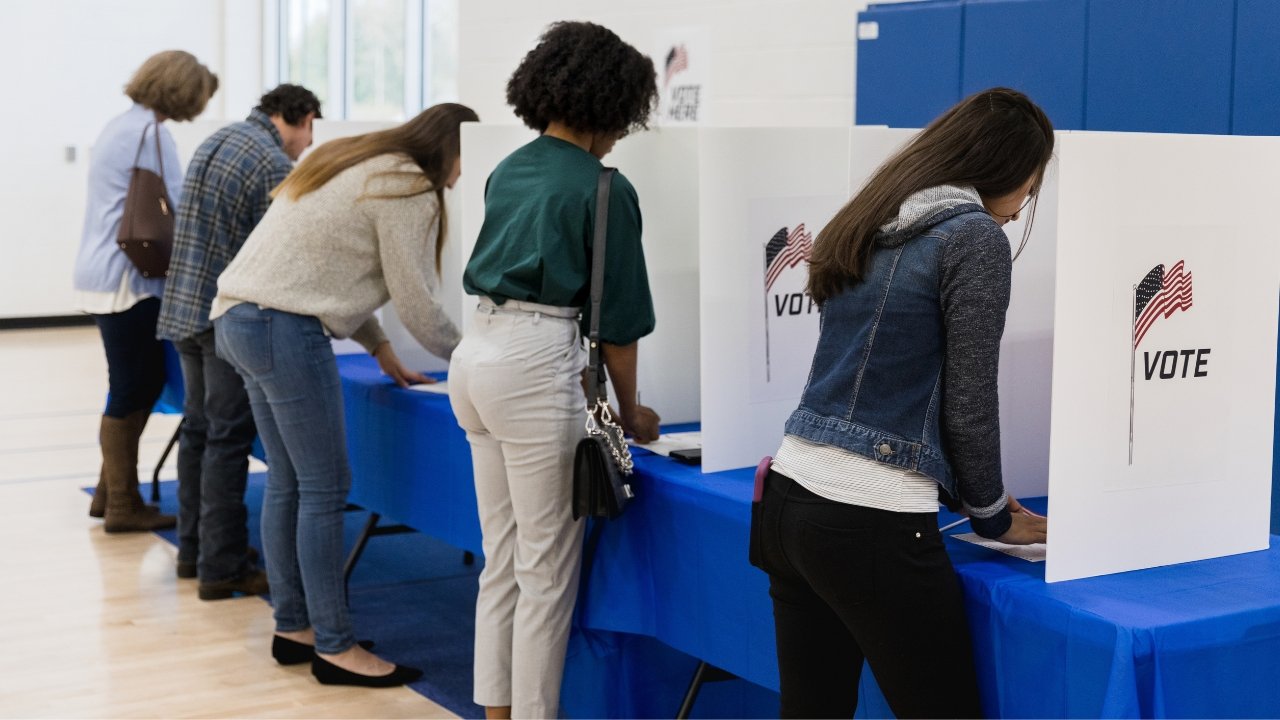
Proposition 39 would require voters to provide government-issued identification when casting ballots, introducing new requirements for both in-person and mail-in voting. Voters casting ballots in person would need to present identification, while those voting by mail would need to provide identifying information on their ballot envelopes. The measure would also require election officials to use government records to verify voter citizenship and report annually on their findings.
EBLC Position
Broad civic engagement and voter participation are essential to strong communities and a thriving regional economy. That is why EBLC is opposing Proposition 39. California already maintains robust safeguards to verify voter identity and eligibility. Prop 39 would introduce new requirements that could create unnecessary barriers to voting or risk disenfranchising eligible voters.
EBLC also recognizes the importance of using public resources responsibly. Prop 39 would impose new costs on state and local governments without providing a dedicated funding source, potentially diverting resources from other essential services. Election security should be prioritized without creating barriers to participation or imposing significant new costs on taxpayers.


Overview of the Proposition
Proposition 40 would levy a one-time 5% tax on the accumulated wealth of California billionaires to help offset federal funding cuts to health care and other state programs. Unlike income taxes, the tax would apply to the value of assets such as stocks, business ownership interests, and other investments, even if those assets have not been sold. Most revenue would be directed toward health care programs, including Medi-Cal, with the remainder supporting public education and food assistance. The revenue generated from Proposition 40 would also be exempt from several existing state budget calculations, including education funding requirements, tax spending limits, and allocations for reserves and debt repayment.
EBLC Position
EBLC is opposing Proposition 40 due to concerns that it could undermine California’s economic competitiveness and long-term fiscal stability. While EBLC recognizes the urgent need to protect health care access amid significant federal funding reductions, Prop 40 would provide only temporary funding for challenges that require sustainable solutions.
EBLC is particularly concerned that the proposition could encourage wealthy taxpayers, businesses, and investment to leave California, potentially reducing the ongoing tax revenues that support the very programs Prop 40 is meant to fund – health care, education, and other essential services. California already relies heavily on its highest-income residents to fund these priorities, making this risk especially concerning. EBLC believes protecting essential programs must go hand in hand with encouraging investment, supporting innovation and job creation, and maintaining a stable fiscal environment that allows California’s economy and communities to thrive.

Overview of the Proposition

Proposition 43 would require citizen-sponsored local ballot measures proposing new, extended, or increased special taxes to receive two-thirds voter approval, matching the threshold already required for local government-sponsored special taxes. Special taxes are dedicated to specific purposes rather than general government spending. Currently, citizen-sponsored special tax measures can pass with a simple majority. Proposition 43 would eliminate this distinction, establishing the same approval requirement regardless of who places the measure on the ballot. This change would take effect in 2027, so it would not impact taxes approved by voters during this election.
EBLC Position
EBLC recognizes that citizen initiatives provide an important avenue for communities to fund local priorities, particularly when new investments are needed to support critical services and infrastructure. At the same time, we recognize the importance of the two-thirds voter approval threshold as a safeguard against new taxes that could impose significant costs on residents and businesses. While there are circumstances where a simple majority can help communities secure necessary funding, there are also situations where the higher threshold provides important protections against tax increases that could negatively affect the regional economy.
Because EBLC recognizes the value of both considerations, the organization has chosen to remain neutral on Proposition 43. We believe the measure raises important questions about balancing local funding needs with taxpayer protections, but do not see a clear basis for supporting or opposing the proposed change as an organization.


Overview of the Proposition
Proposition 44 would require Federally Qualified Health Centers and similar clinics to spend at least 90% of their annual revenue on qualifying mission-related purposes. These clinics provide primary and preventive care to medically underserved communities, including many low-income and uninsured Californians, and offer services ranging from medical and dental care to behavioral health treatment. Clinics that fall below the 90% threshold would face a penalty equal to the amount of the shortfall.
EBLC Position
A thriving region depends on a strong health care system and a healthy population. Community health centers are a critical part of that system, particularly for low-income, uninsured, and medically underserved residents. EBLC is opposing Proposition 44 because it could limit clinics’ ability to invest in the infrastructure needed to serve those communities effectively, potentially causing clinics to divert resources away from facilities, medical equipment, transportation services, reserves, workforce recruitment, or other essential operations.
By imposing the same spending requirements on clinics with widely varying financial and operational needs, Prop 44 could even force some providers to scale back services or, in some cases, close altogether. The consequences of which could extend well beyond the clinics themselves. When patients lose access to primary and preventive care, greater pressure is placed on already strained hospitals and the broader health care safety net.
At a time when our health care system is already facing significant financial and workforce pressures, we should be strengthening community health centers, not making it harder for them to operate.

Overview of the Proposition
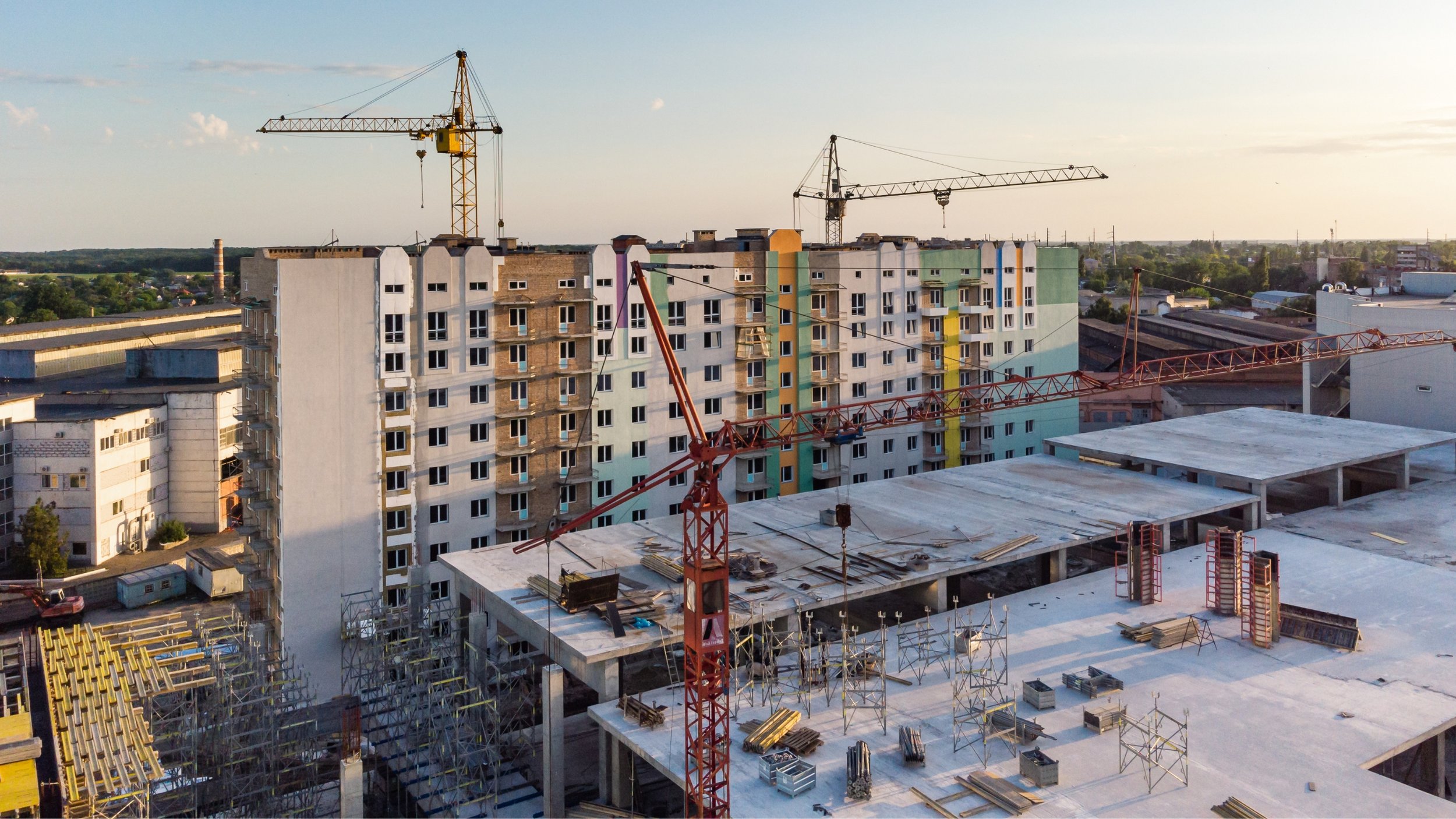
Proposition 45 would streamline California's environmental review and permitting processes for certain housing, infrastructure, and public facility projects. The measure would apply to a range of projects, including housing, transportation infrastructure, water systems, clean energy facilities, schools, and hospitals, with the goal of reducing delays and accelerating development. It would establish mandatory timelines for environmental reviews, permitting decisions, and related lawsuits, while modifying certain requirements under the California Environmental Quality Act (CEQA). These changes would include limiting the range of alternatives considered during environmental review, establishing deadlines for public comment, and restricting when courts can halt construction due to CEQA violations.
EBLC Position
EBLC is supporting Proposition 45 because California’s lengthy permitting and environmental review processes can create costly delays for housing, infrastructure, and other essential projects. These barriers make it more difficult to address our housing shortage, attract business investment, and build the infrastructure necessary to support a growing population and economy. Prop 45 would establish more predictable timelines for environmental reviews, permitting, and legal challenges, helping projects move forward more efficiently.
EBLC recognizes the importance of protecting California’s environment and ensuring communities have a voice in decisions that impact them. While Prop 45 would narrow certain environmental review requirements, we believe it strikes an important balance between maintaining environmental protections and reducing unnecessary delays that increase costs and prevent critical projects from moving forward. Accelerating these projects can also advance California’s environmental goals by delivering clean energy generation and transmission, more efficient infrastructure upgrades, and higher-density housing. Modernizing these processes would help California meet its housing and infrastructure needs while continuing to evaluate the environmental impacts of new development.
Voter Resources

With the open governor’s seat, key statewide offices, congressional and state legislative positions, local offices, judgeships, and state, county, and local measures on the ballot, there are many critical reasons to vote in November.
Key deadlines and information about candidates and measures are all listed on the Alameda County and Contra Costa County election pages.
You have many options when it comes to casting your vote. We recommend voting as early as possible to help your county efficiently count all the ballots.
Return your ballot by mail. All registered voters should have received a vote-by-mail ballot. Postage is prepaid.
Return your ballot to an official drop box. You can find one near you in both Alameda and Contra Costa counties.
Vote on Election Day at your assigned polling place. You can confirm nearby polling locations on the California Secretary of State’s website. Polls close at 8PM on Tuesday, November 3rd.
Once you have voted, sign up to track your ballot. All you need to provide is your name, date of birth, and zip code.
The East Bay Leadership Council is a regional employer-led organization with nearly 90-year history of advancing policies that strengthen the economy and improve quality of life in Contra Costa and Alameda Counties.