
2025 Impact Report
Advancing a Strong Economy and Thriving Communities
IN THIS ISSUE
Letter From the CEO
As we share EBLC’s Impact Report, I’m reminded why this organization exists and what makes our work distinct. At a time when our region faces both persistent challenges and extraordinary opportunity, this report captures how employers, community partners, and civic leaders have come together to advance the East Bay’s economy and quality of life.

Mark Orcutt, EBLC President and CEO
From the start, EBLC has been guided by a simple conviction: progress is possible when we focus on solutions, not sides. Our approach is nonpartisan, collaborative, and employer-led. We believe employers of all sizes and sectors share a responsibility—and a unique ability—to shape a more resilient and prosperous region through collective impact.
This year, that philosophy translated into measurable results. Through our advocacy, we advanced policies that drive economic competitiveness and expand opportunity. Through our events, we convened business, government, and nonprofit leaders to exchange ideas and find common ground. Through our programs, we equipped a new generation of leaders and decision-makers to carry this work forward. Through our membership, we have built a coalition that reflects the diversity and strength of the East Bay’s employers.
None of this happens alone. Every success was made possible through partnership. The kind that brings together people who may not always agree, but who share a commitment to the region. It is powered by the dedication of our staff, whose creativity brings our mission to life. By the leadership of our Board, whose guidance keeps EBLC both visionary and grounded. By the trust of our members and partners, who make this work possible through their engagement and belief in regional advocacy.
At EBLC, we believe optimism is not naïve. It is necessary. It reflects a commitment to progress, even when change comes incrementally, and to the long work of regional leadership. As this report shows, when leaders engage constructively and invest in what works, the East Bay is stronger for it.
With gratitude and optimism,
Mark Orcutt
President & CEO
East Bay Leadership Council
Policy Advocacy: From Insight to Impact
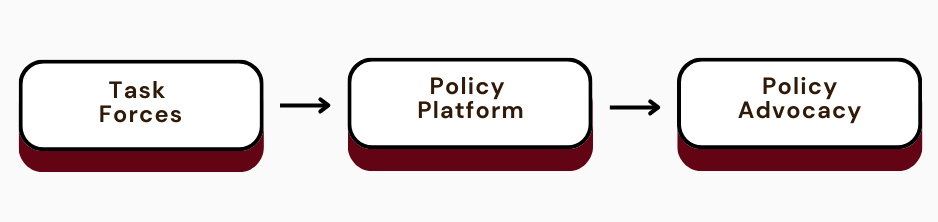
EBLC advances policies shaped by employers, civic leaders, and community voices across the East Bay to strengthen the regional economy and improve quality of life.
Task Forces
3 task forces
20 presentations
200+ leaders engaged
Impact
The East Bay Leadership Council’s task forces convene EBLC members and community leaders to collaborate on critical issues and advance the organization’s policy priorities. These member-led groups identify issues, become informed, and recommend positions for the Board of Directors to consider for official advocacy. While the scope of EBLC’s advocacy expands beyond the topics covered at monthly task force meetings, these groups help inform which issues to prioritize each year. EBLC’s core goals of advancing equity, economic vitality, and quality of life are fundamental components of all task force activities.
-
Revitalized in 2025 in partnership with EBLC board and member leadership, the Health Task Force meets monthly to advance EBLC’s goal of improving healthcare quality and access.
This year, the task force has driven member engagement on key policy developments, including healthcare allocations in the California state budget, implementation of Proposition 1 funding in Contra Costa County, and the work of the California Office of Health Care Affordability.
The task force has also strengthened cross-sector coordination in response to H.R.1 and elevated workforce development solutions, such as CCEP’s EMS Corps, to support a resilient and equitable healthcare system
-
In 2025, EBLC formally brought its housing and transportation groups together under the Infrastructure Task Force to foster more nuanced and coordinated solutions across these interconnected policy areas. This structure enabled timely presentations on issues with far-reaching implications, including BART transit-oriented development projects and the state-mandated transition to zero-emission bus fleets.
The task force also received housing legislation updates both during the legislative session to inform advocacy and after adjournment to clarify enacted policy changes.
Together, these conversations have informed EBLC’s advocacy and helped equip members to advance integrated infrastructure policies at the regional and state levels.
-
The Water, Energy, & Environment Task Force not only plays a vital role in furthering EBLC’s advocacy, it also brings members together in-person, helping to build relationships and exchange insight across sectors.
This year, the task force hosted several presentations on water and energy systems, with a focus on elevated wastewater nutrient levels and emerging wastewater resource recovery approaches alongside energy infrastructure and supply chain risks and the growth of local renewable refinery operations.
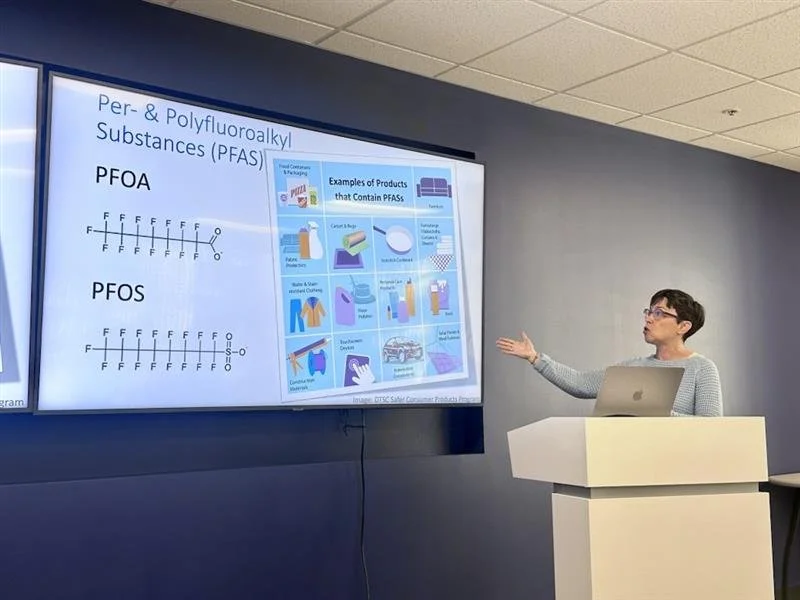
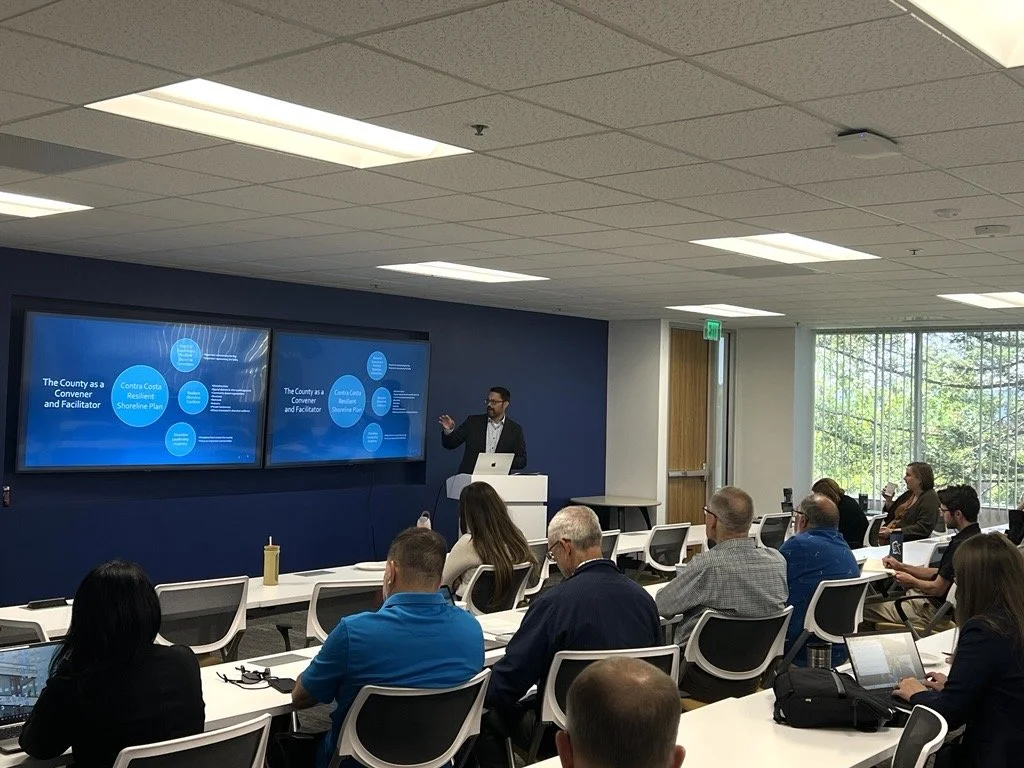
The group also maintained a focus on environmental resiliency, convening sessions on wildfire preparedness, groundwater storage, shoreline adaptation planning, and PFAS contamination in the Bay.
Finally, receiving updates on academic partnerships advancing climate resilience, such as EBMUD’s work with the UC Berkeley Center for Smart Infrastructure, as well as state legislation, ensured members were informed about both emerging research and state policy developments shaping regional climate efforts.
-
While EBLC’s task forces are designed as dedicated spaces for discussion on specific issues, none operate in a vacuum. When topics arise that are particularly intersectional, EBLC brings task forces together for joint meetings.
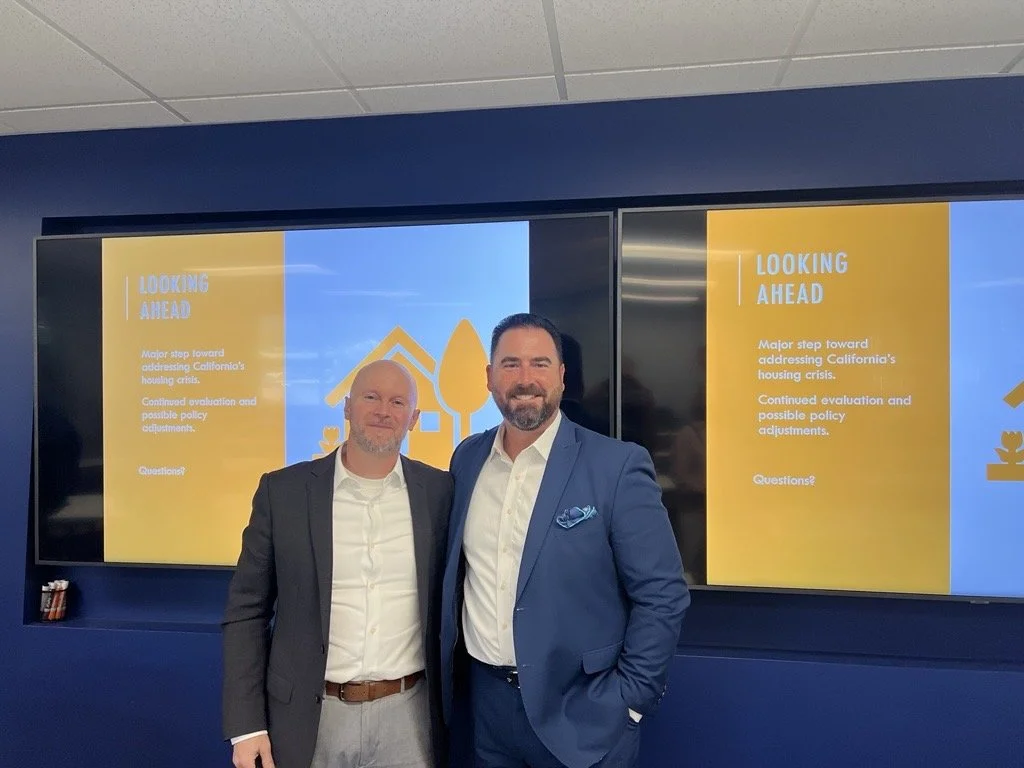
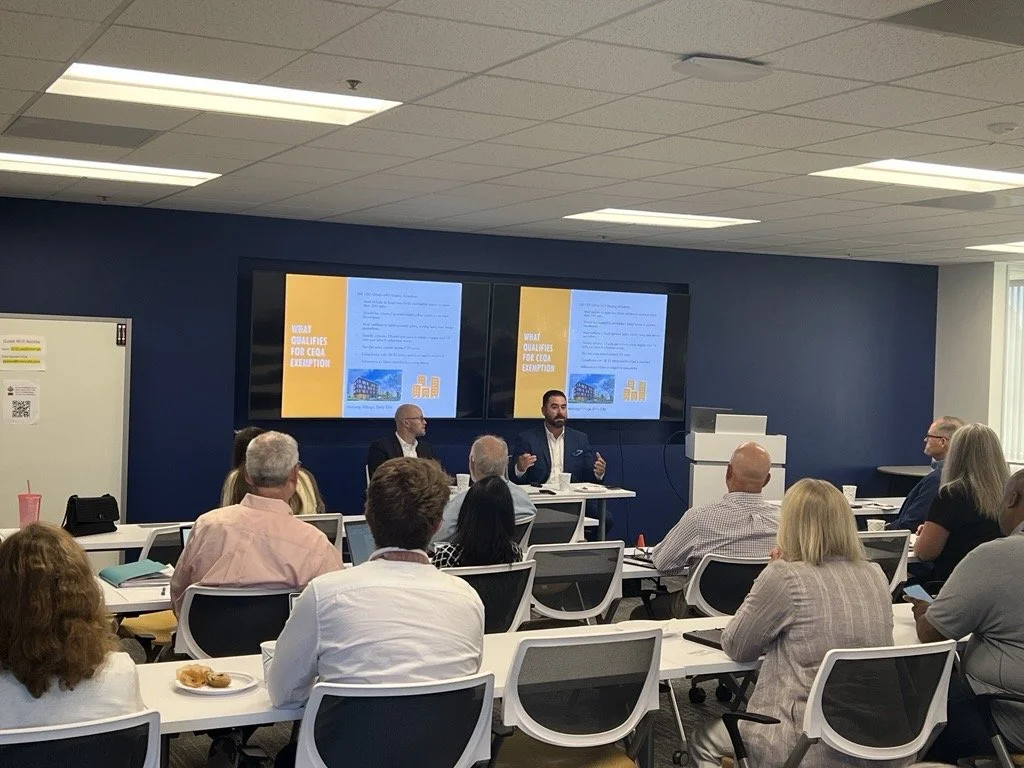
For example, this year the Water, Energy, & Environment and Infrastructure task forces co-hosted a session on new CEQA reforms, enabling a comprehensive discussion on the implications for housing, transportation infrastructure, advanced manufacturing, and environmental resiliency projects.
Policy Platform
8 issue areas
22 pages of policy objectives
Input from 100+ members and community leaders
Impact
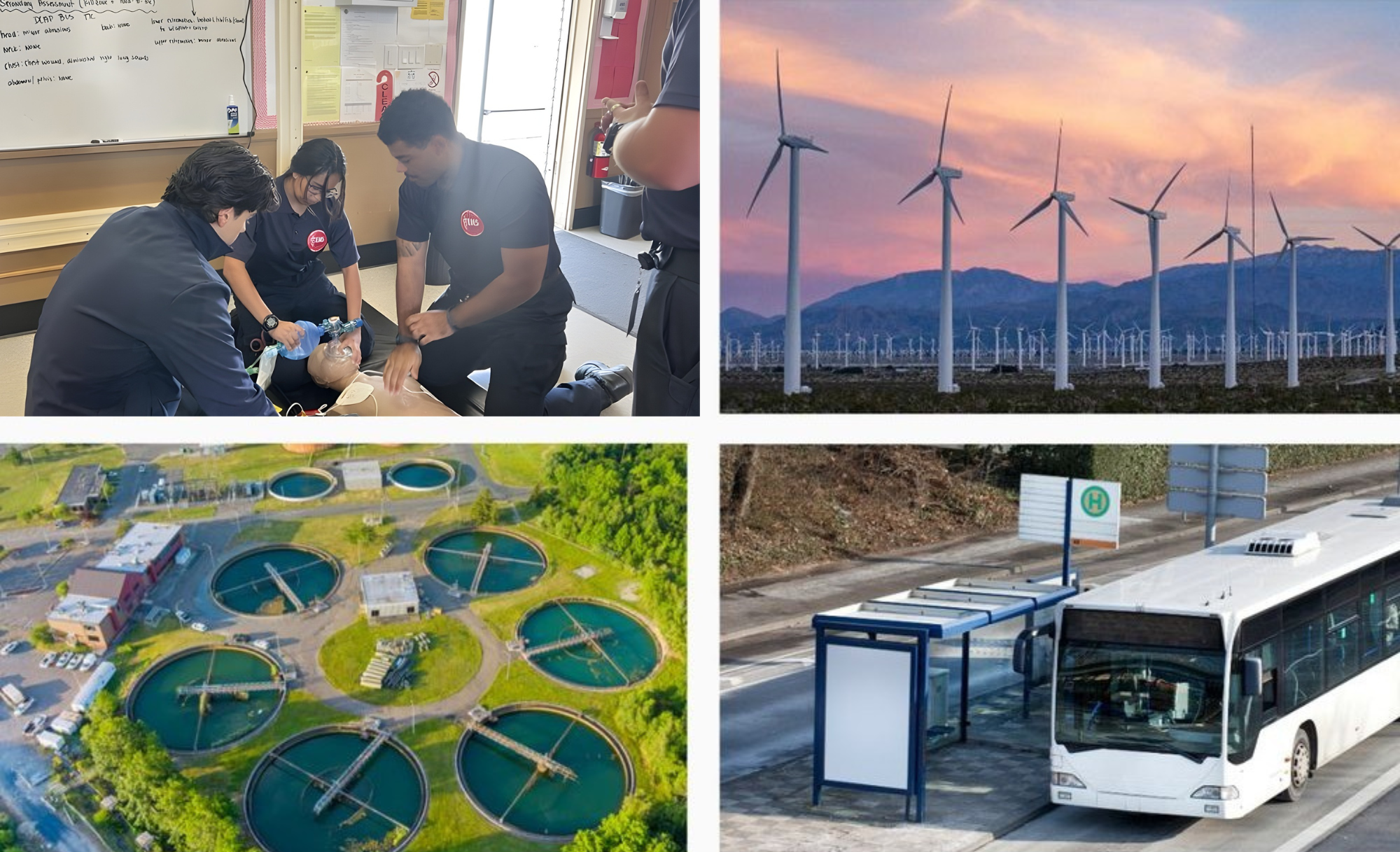
The East Bay Leadership Council’s Policy Platform is the bedrock of its policy advocacy. The Platform, which is updated and approved annually by EBLC’s Board of Directors, outlines EBLC’s policy goals in 8 key areas: Economic Development & Fiscal Policy, Education & Workforce Development, Energy, Environment, Health, Housing, Transportation, and Water. With the Policy Platform as a guide, EBLC staff are able to conduct efficient and effective advocacy on state legislation, regional measures, local projects, and more.
-
The Policy Platform was approved by EBLC’s Board of Directors in February 2025 following an extensive development and input process where hundreds of community, business, and elected leaders provided expert feedback.
Throughout the rest of the year, the Policy Platform served for the first time as a comprehensive guide for EBLC’s advocacy. Having an adopted platform in place significantly strengthened the quality, scope, and timeliness of EBLC’s advocacy, allowing staff to respond more quickly to legislative and regional policy developments, deliver prompt letters and position statements, and engage more consistently across issue areas.
In late 2025, EBLC conducted a robust update to the Platform, again engaging members and community leaders in the feedback process to reflect newly established positions, emerging policy changes at the local, state, and federal levels, and EBLC’s priorities for the year ahead.
Federal Advocacy
7 Grant Applications Supported
5 Congress Members Engaged
Conducted Substantial Healthcare Data Collection
Impact
While a majority of EBLC’s policy work is concentrated at the state and regional levels, advocacy on federal policies and programs remains an important element of EBLC’s advocacy portfolio. EBLC maintains strong relationships with the East Bay Congressional delegation, coordinating with them on shared priorities and conducting advocacy in response to major federal legislative changes. EBLC also supports federal grant applications for vital East Bay infrastructure projects.
-
This year, EBLC engaged at the federal level through a coordinated set of advocacy and partnership efforts. In advance of the 2025 vote on H.R.1, EBLC conducted thorough data collection on the potential impacts of Medi-Cal cuts on residents, health care providers, and the regional economy, and shared these findings with the East Bay Congressional delegation.
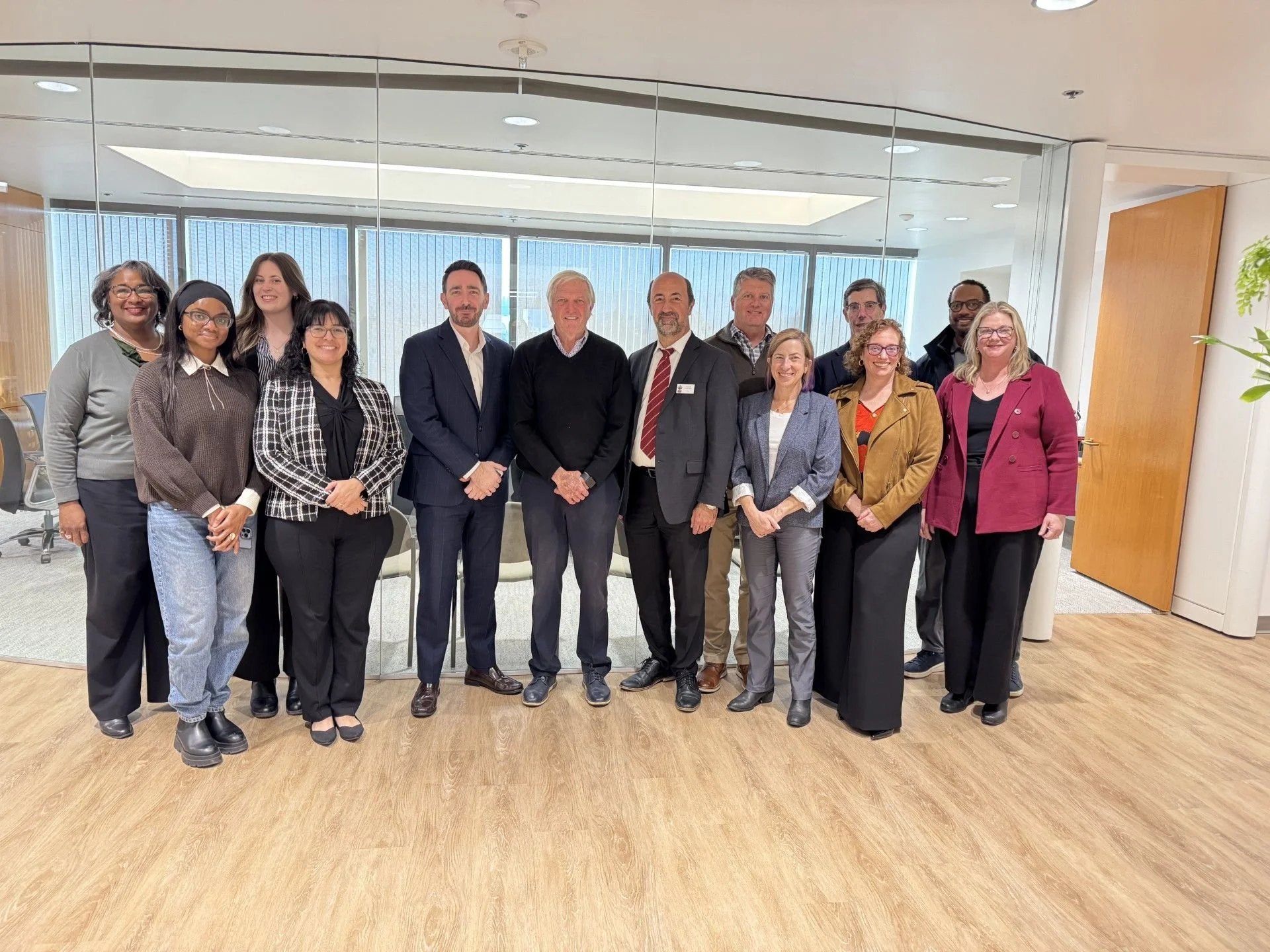
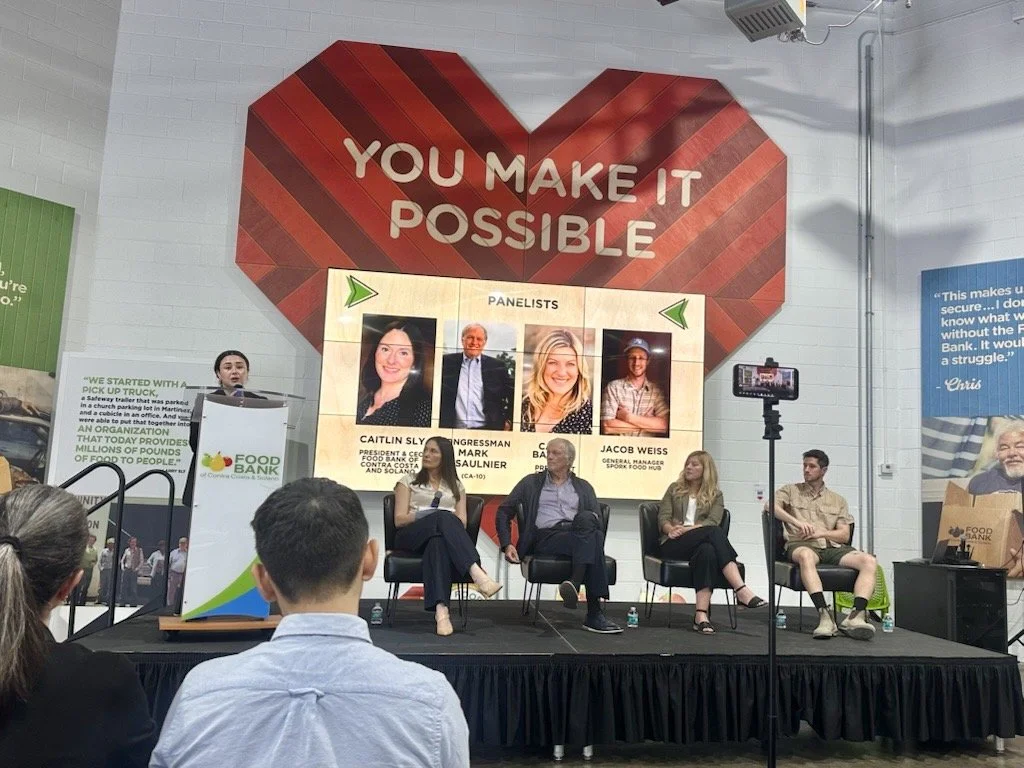
Building on this work, EBLC staff and members of the Board of Directors met with Congressman Mark DeSaulnier to discuss shared priorities, identifying healthcare access, food insecurity, and housing affordability as key areas for future collaboration.
In addition to policy advocacy, EBLC also supported federal grant applications for projects aimed at strengthening broadband access, improving wastewater treatment plant operations, expanding access to public transit, reducing transit emissions, and developing mobility hubs, such as the Hercules Hub.
State Advocacy
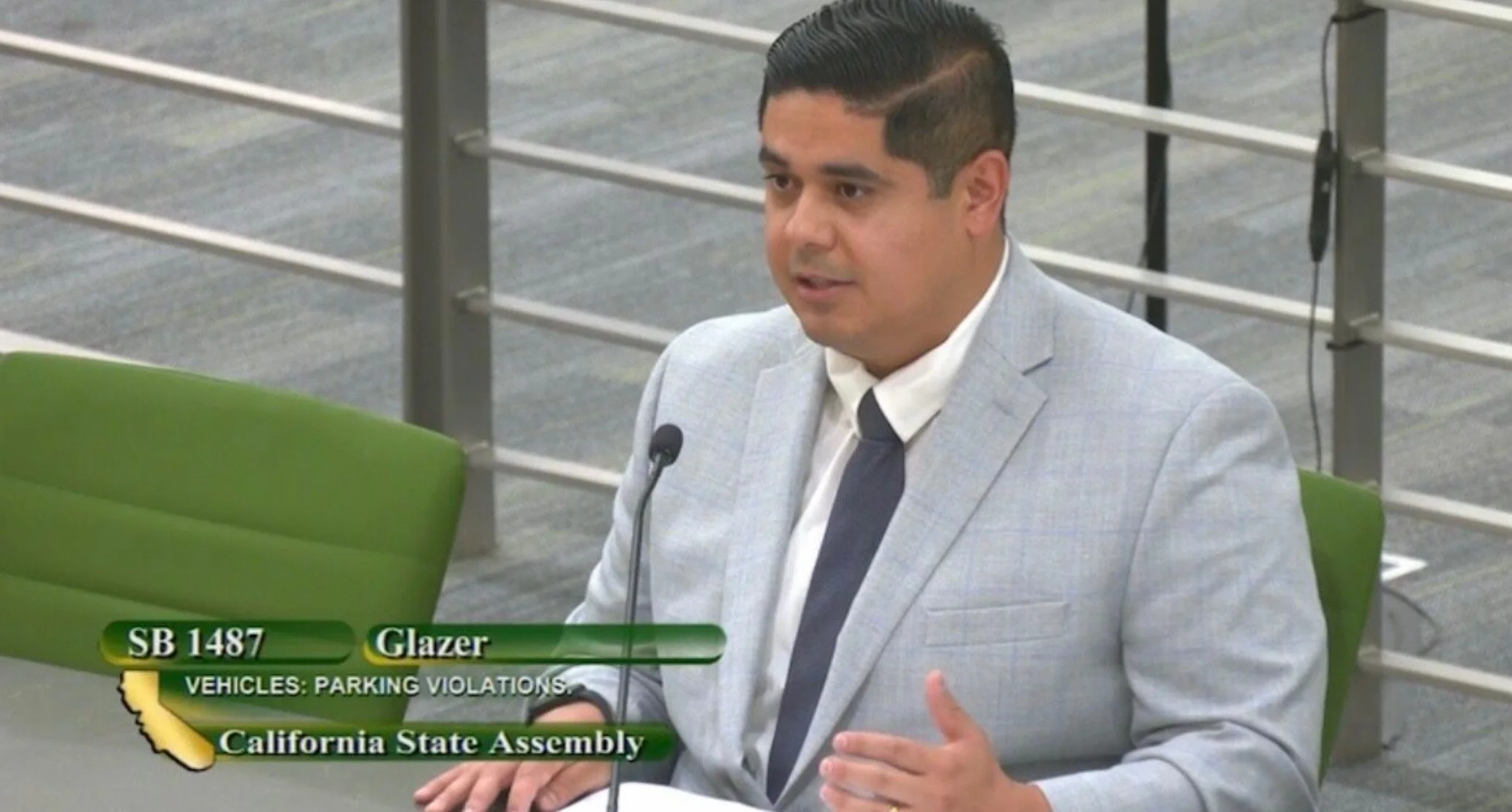
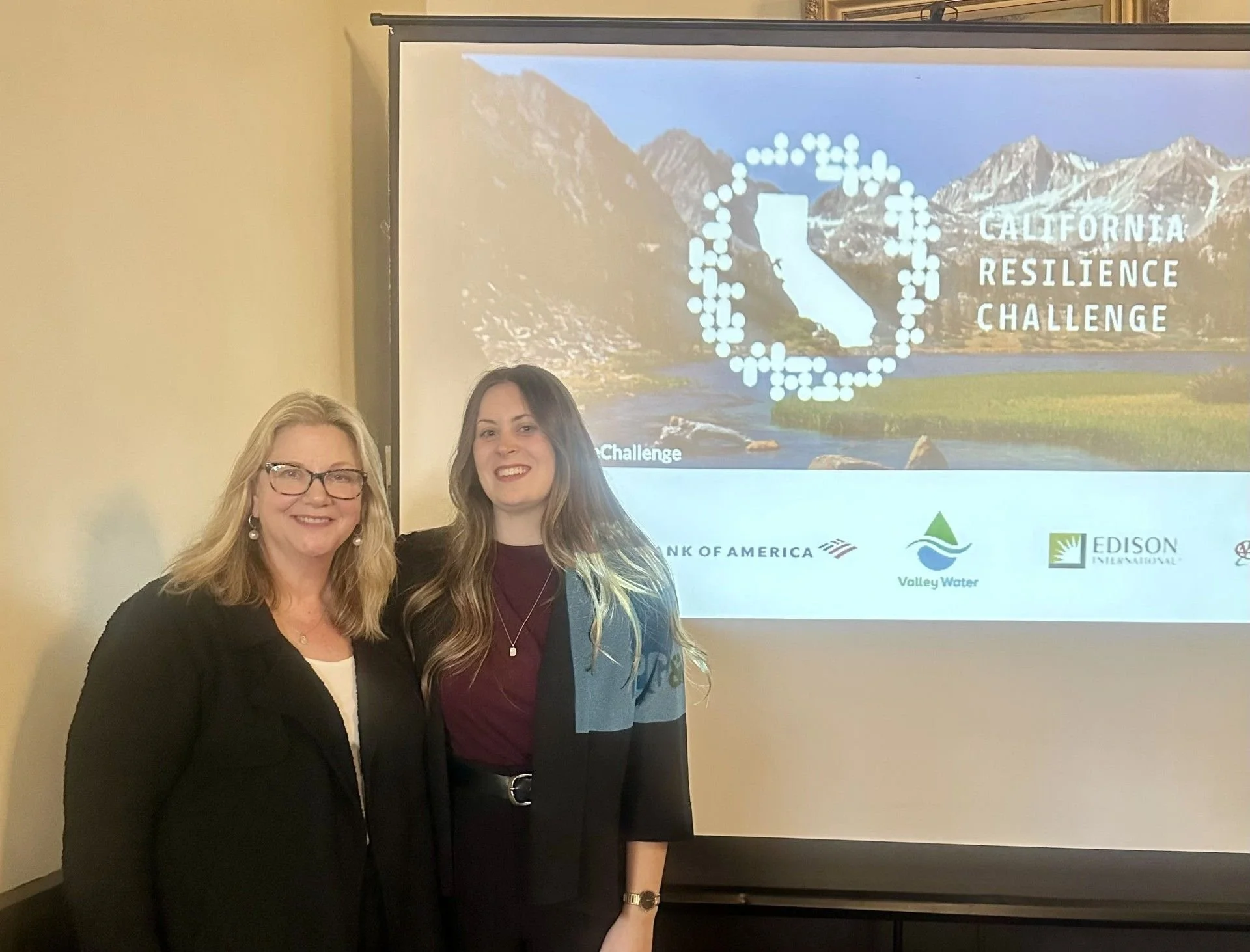
207 bills tracked
29 legislative positions established
13 endorsed bills signed into law
83% of opposed bills defeated
Impact
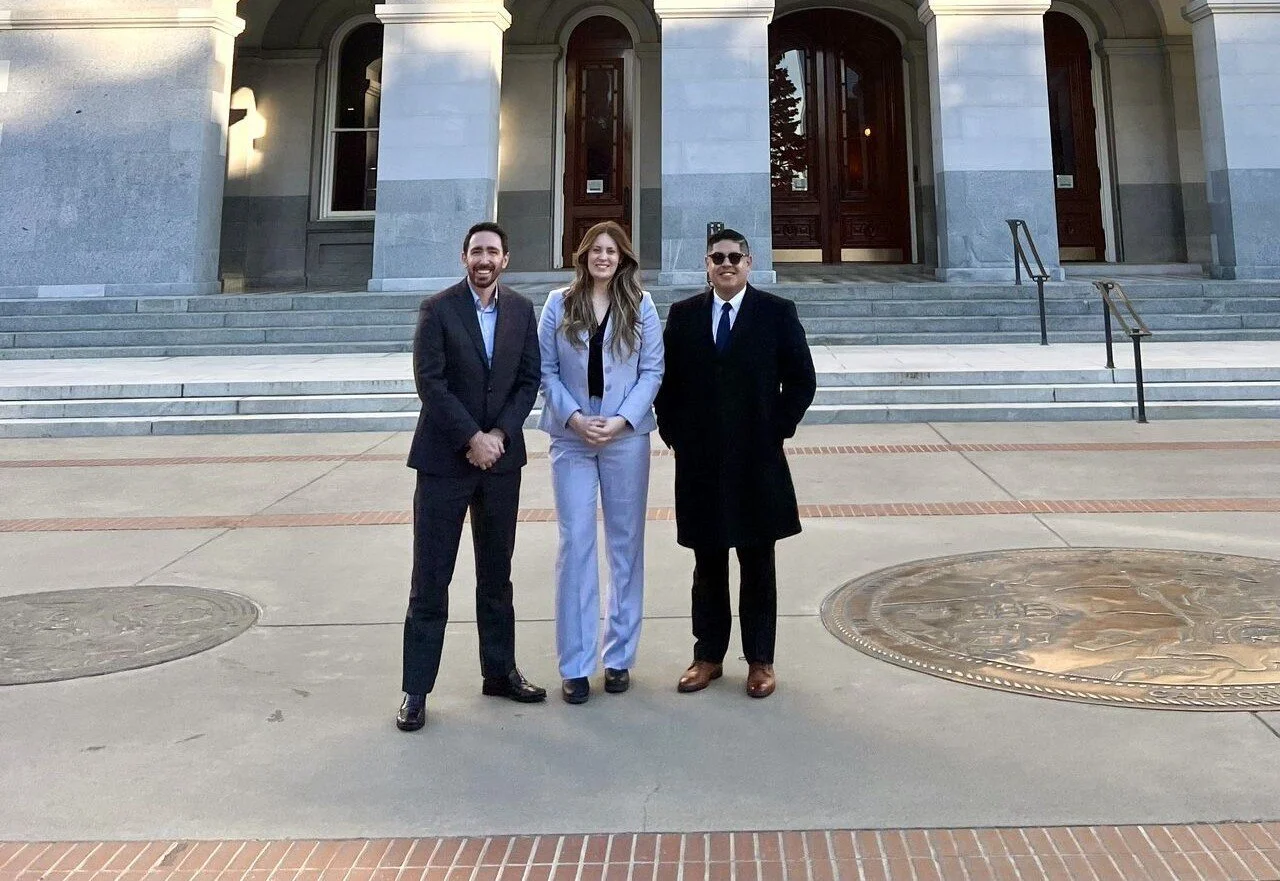
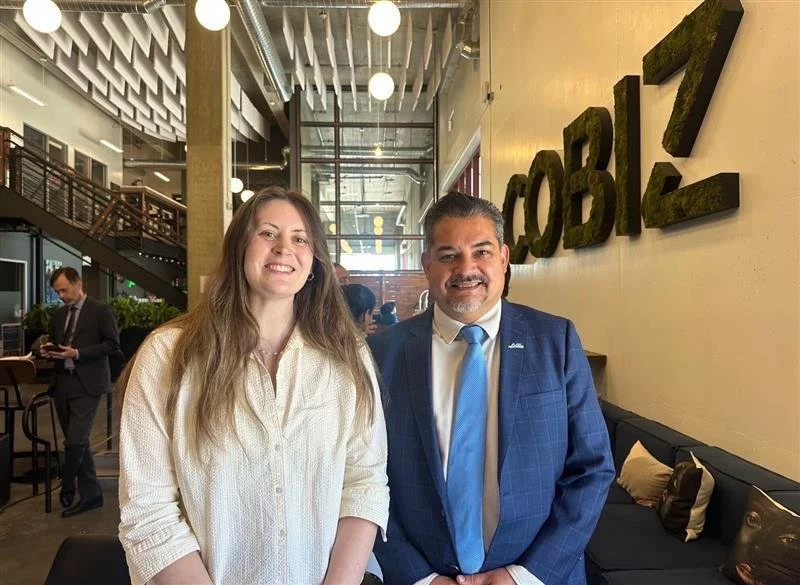
Engaging on state policy is a substantial part of EBLC’s efforts to improve economic vitality and quality of life throughout the East Bay. In addition to legislation, this work includes advocacy related to state budget decisions and regulatory and administrative actions by state agencies that directly affect our region. Though much of the policy activity considered each year is state-wide, these decisions often create major implications for the East Bay. With guidance from EBLC’s Board, members, and task forces, and grounded in both the organization’s Policy Platform and rigorous policy analysis, staff are empowered to meet with legislators and state agencies, submit advocacy letters, and speak at hearings to influence critical state legislative and policy outcomes.
Of the 29 bills that EBLC took positions on during the 2025 legislative session, 15 made it to the Governor’s desk, 13 of which were signed into law. Mounting challenges related to climate change, housing affordability, transit service reliability, workforce development, and overall cost of living drove the legislature and EBLC’s priorities this year.
-
In the energy and environment space, EBLC supported laws aimed at improving the affordability and reliability of water and energy systems while continuing to protect natural habitats.
Key examples include SB 31, which expands water recycling to strengthen long-term water supplies, and SB 86, which extends tax incentives for clean energy and advanced transportation manufacturing.
Complementing these incentives, EBLC also joined a coalition that successfully protected CEQA exemptions for advanced manufacturing.
Beyond legislation, EBLC engaged directly with the California Air Resources Board to advocate for accurate identification and monitoring of emissions, helping ensure state regulatory programs protect public health while supporting responsible economic activity.
-
This year EBLC helped advance reforms designed to deliver housing more quickly, building on CEQA exemptions adopted earlier in 2025. These efforts led to the passage of 8 new housing laws, including AB 1007, which shortens housing permit approval timelines, and SB 79, which enables higher-density housing near major transit stops to support transit-oriented development.
EBLC also endorsed SB 486, a new law requiring regional planning agencies to account for changes in public university enrollment when forecasting population growth and determining housing needs, helping ensure housing and transportation plans better reflect actual demand driven by student populations.
-
As part of EBLC’s broader efforts to advance policies that reinforce the essential role of educational institutions in the regional economy and community, EBLC successfully advocated during the state budget process to protect funding for the California State University system, recognizing CSU’s crucial role in workforce development, economic mobility, and the East Bay’s long-term competitiveness.
-
Reliable transit remained a critical priority. To help stabilize service, protect against increased commute times and emissions, and ease cost-of-living pressures, EBLC endorsed SB 63.
This legislation enables a regional transit funding measure to be placed on the ballot for voters in 2026 with the goal of sustaining safe and reliable operations across the Bay Area’s core transit systems.
Regional Advocacy
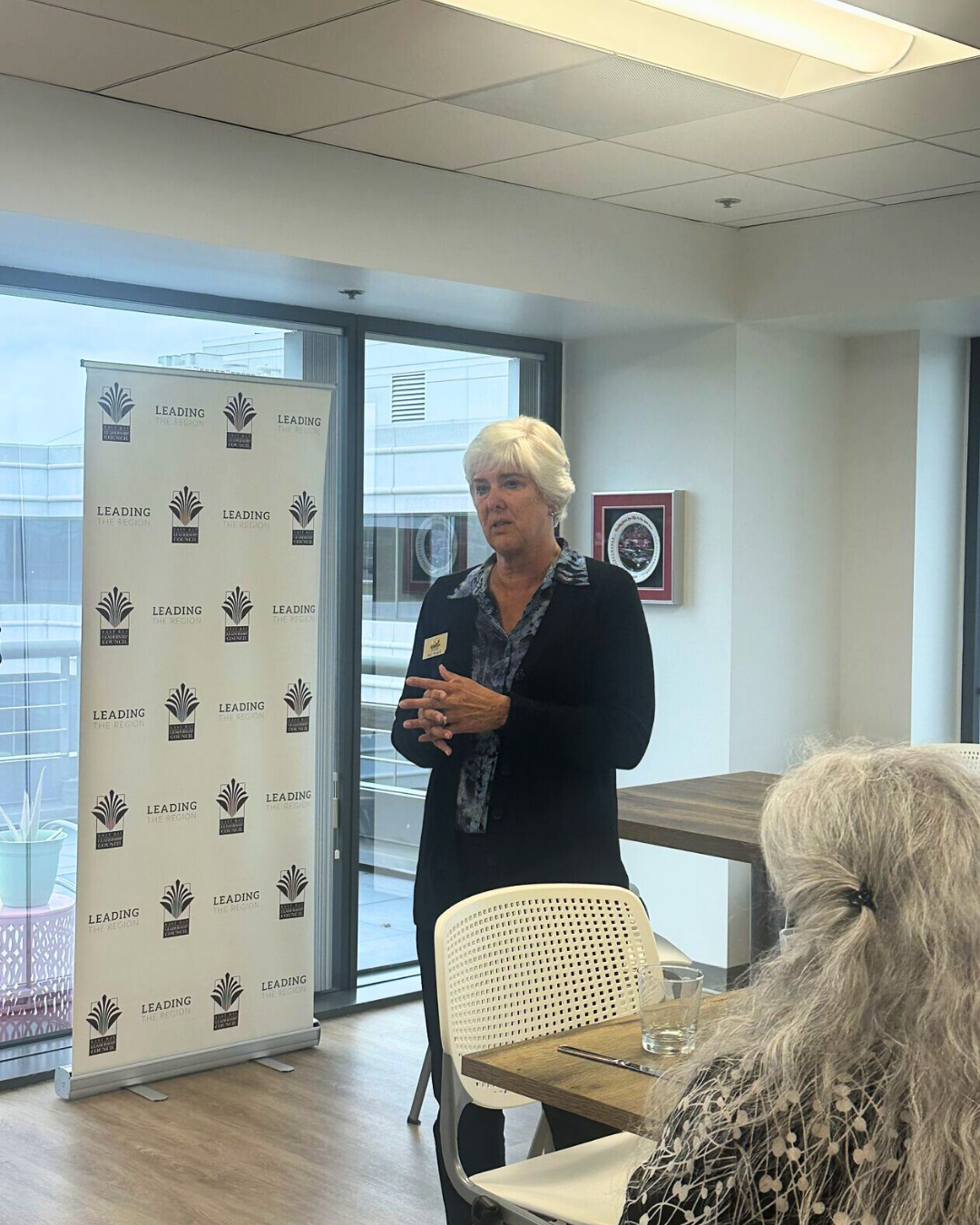
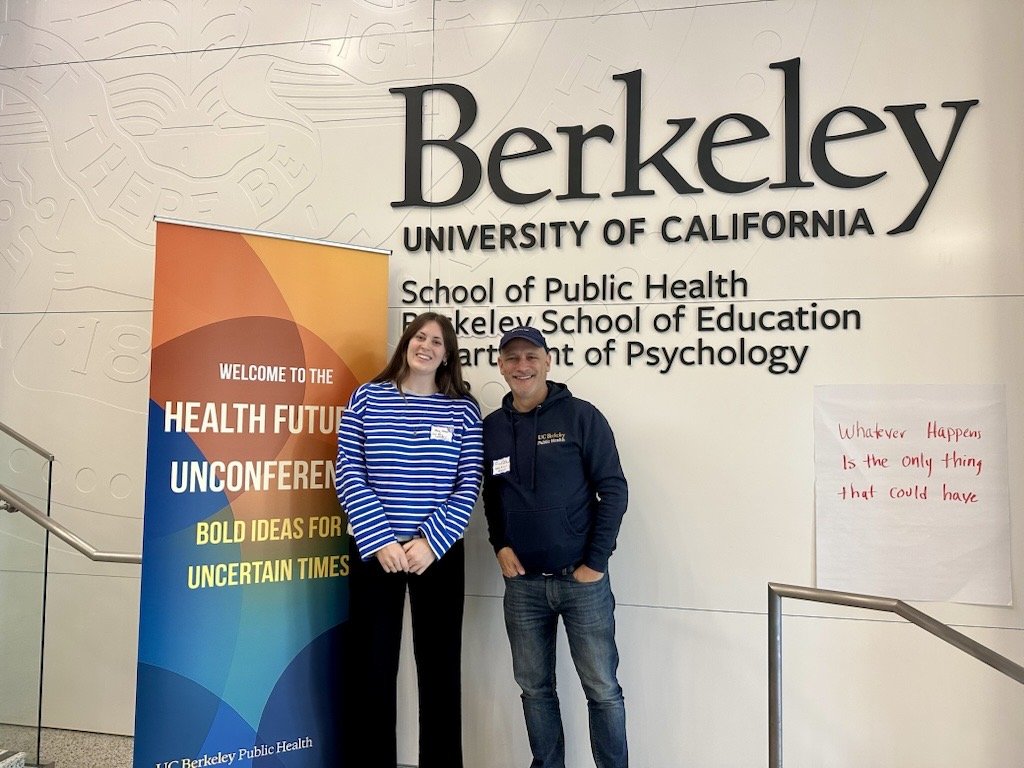
27 organizations joined EBLC-led coalitions
2 press conferences on regional issues
1 policy memo shaped a Bay Area-wide advocacy campaign
Impact
Regional advocacy is a crucial pillar of EBLC’s advocacy strategy. This work often focuses on county-level engagement, including advocacy related to budget decisions and investment opportunities that have direct implications for local communities. EBLC also engages with Bay Area-wide agencies and governing bodies to advocate on major policy changes, regional planning guidelines, and grant funding decisions impacting the East Bay. Through these efforts, EBLC works to ensure that regional decisions reflect the needs of the East Bay and advance smart policies that meaningfully foster economic vitality and quality of life.
-
The Metropolitan Transportation Commission (MTC)’s Transit-Oriented Communities (TOC) policy is a proposed framework that would condition jurisdictions’ access to certain federal transportation dollars on adoption of a prescribed set of housing, land use, transportation, and commercial policies.
After the TOC Policy was drafted, the Contra Costa Economic Partnership (CCEP), EBLC’s sister organization, conducted extensive analysis to evaluate its potential impacts.
CCEP produced a 12-page policy memo examining how the proposed requirements could affect housing production, economic competitiveness, and transportation investment, particularly in East Bay communities.
Based on this analysis, EBLC determined TOC risks creating barriers to the development of desperately needed housing by encouraging problematic policy choices, increasing regulatory complexity, and inequitably distributing critical transportation funding.
In response, EBLC led the formation of a broad opposition coalition and drafted a 4-page letter to the Commission outlining shared concerns, bringing together more than 20 signatories from across the Bay Area representing housing advocacy, business, economic development, and real estate organizations.
EBLC then spearheaded ongoing coalition efforts by meeting directly with Commissioners to discuss potential TOC Policy adjustments, developing a follow-up advocacy letter with targeted recommendations, coordinating cohesive coalition messaging, and testifying at Commission meetings.
EBLC will continue to advocate for important changes as the Policy evolves to ensure it supports housing production, infrastructure investment, and a competitive regional economy.
-
Plan Bay Area 2050+ is the Association of Bay Area Governments (ABAG) and Metropolitan Transportation Commission (MTC)’s long-term blueprint for transportation, housing, land use, and climate policy, guiding how the Bay Area plans for growth, mobility, and economic opportunity over the coming decades.
EBLC provided formal input on Draft Plan Bay Area 2050+, advocating for a regional approach that reduces congestion and vehicle miles traveled while strengthening economic competitiveness and improving access to jobs and opportunity across the East Bay.
EBLC emphasized the importance of treating economic development as a core strategy for achieving transportation and climate goals, highlighting the need to better align job growth with housing in communities that have absorbed significant residential development.
EBLC also urged regional agencies to build on recent state housing progress by aligning plan implementation with established law and prioritizing incentives and performance outcomes over duplicative mandates.
In addition, EBLC supported the use of innovative transportation tools, including pricing strategies, when designed to improve system performance and access without shifting impacts onto local communities or undermining affordability.
EBLC will continue to stay engaged as Plan Bay Area 2050+ evolves, working with ABAG and MTC to ensure the Plan advances shared regional goals while maintaining a strong focus on economic competitiveness.
-
EBLC successfully advocated for Contra Costa County to maintain full funding for health programs and services in the 2025-26 budget, ensuring that no local cuts were made despite growing pressure on the healthcare system.
This decision was especially impactful in light of federal and state cuts to healthcare programs and Medi-Cal funding and eligibility, which threaten access to care for many East Bay residents. By preserving funding for public health infrastructure, behavioral health services, preventive care, and community health programs, the county is helping protect residents, stabilize the healthcare system, and support a healthy, reliable workforce.
-
EBLC supported Contra Costa County’s decision to allocate $5 million for the creation of the Services and Access for Everyone (SAFE) Center, an investment that is expanding access to critical services for immigrant families across the county.
Immigrants make up a substantial part of the local workforce, playing a critical role in meeting workforce needs, driving economic growth, delivering vital services, and contributing to the region’s social and cultural identity.
Ensuring that immigrant families have access to services, including legal navigation, case management, and workforce support, represents an investment in the long-term prosperity of our region.
Local Advocacy

5 cities and 2 counties engaged on issues of regional significance
2 special districts engaged in direct advocacy
2.8 million residents impacted by policy decisions
Impact
Advocacy at the local level is an important component of EBLC’s work to support a balanced, inclusive, and competitive East Bay economy. EBLC works closely with representatives from city councils, school boards, and special districts, recognizing that strong relationships with local elected officials and public agencies are essential to effective policy engagement. Through these partnerships, EBLC facilitates dialogue between employer and civic leaders to ensure local policies reinforce regional outcomes and enduring economic vitality.
-
In 2025 EBLC focused its local advocacy on ensuring that city policies support both affordability and a thriving economy.
EBLC worked with city leaders and local stakeholders to further housing policies that promote both tenant stability and the production of desperately needed new housing, ensuring that tools such as rent control are structured in ways that do not deter future development.
EBLC also engaged with cities considering new requirements for manufacturers and energy suppliers, advocating for collaborative approaches that support these major employers in operating sustainably and effectively.
Alongside these efforts, EBLC weighed in on local actions that could exacerbate cost-of-living pressures, advocating for policy choices that protect affordability for residents and businesses while upholding the region’s economic competitiveness.
“With a nearly $100 billion economy, Contra Costa County depends on strong partners to ensure growth benefits every resident. The East Bay Leadership Council is that partner, helping us navigate complex challenges and protect the quality of life of our community”
Events: Convening Leaders, Driving Impact
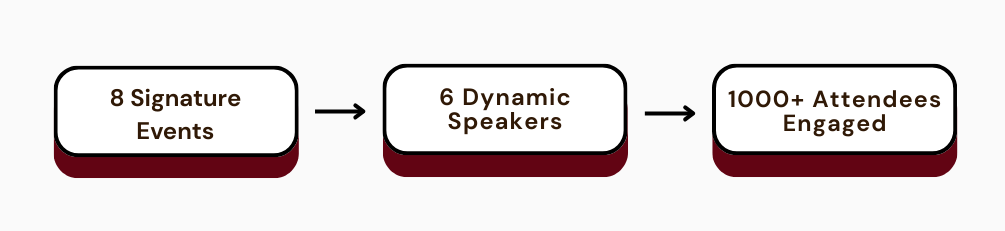
Every year, EBLC’s signature events serve as powerful educational and convening spaces for business, civic, and community leaders and 2025 was no exception. From exchanging ideas and advancing solutions to celebrating leadership across the East Bay, our events fostered meaningful dialogue, strengthened relationships, and inspired collective action.
East Bay Leadership Series
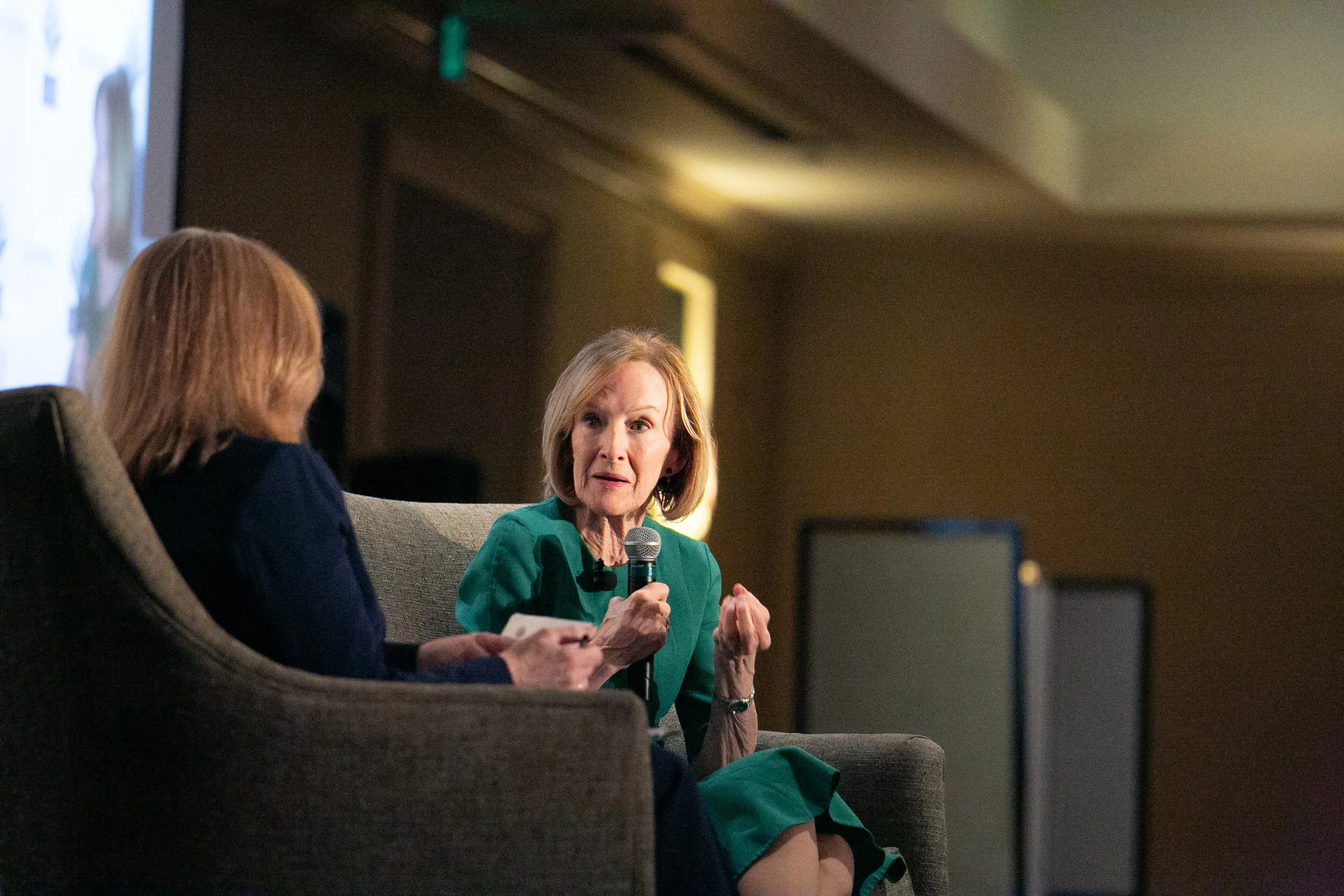
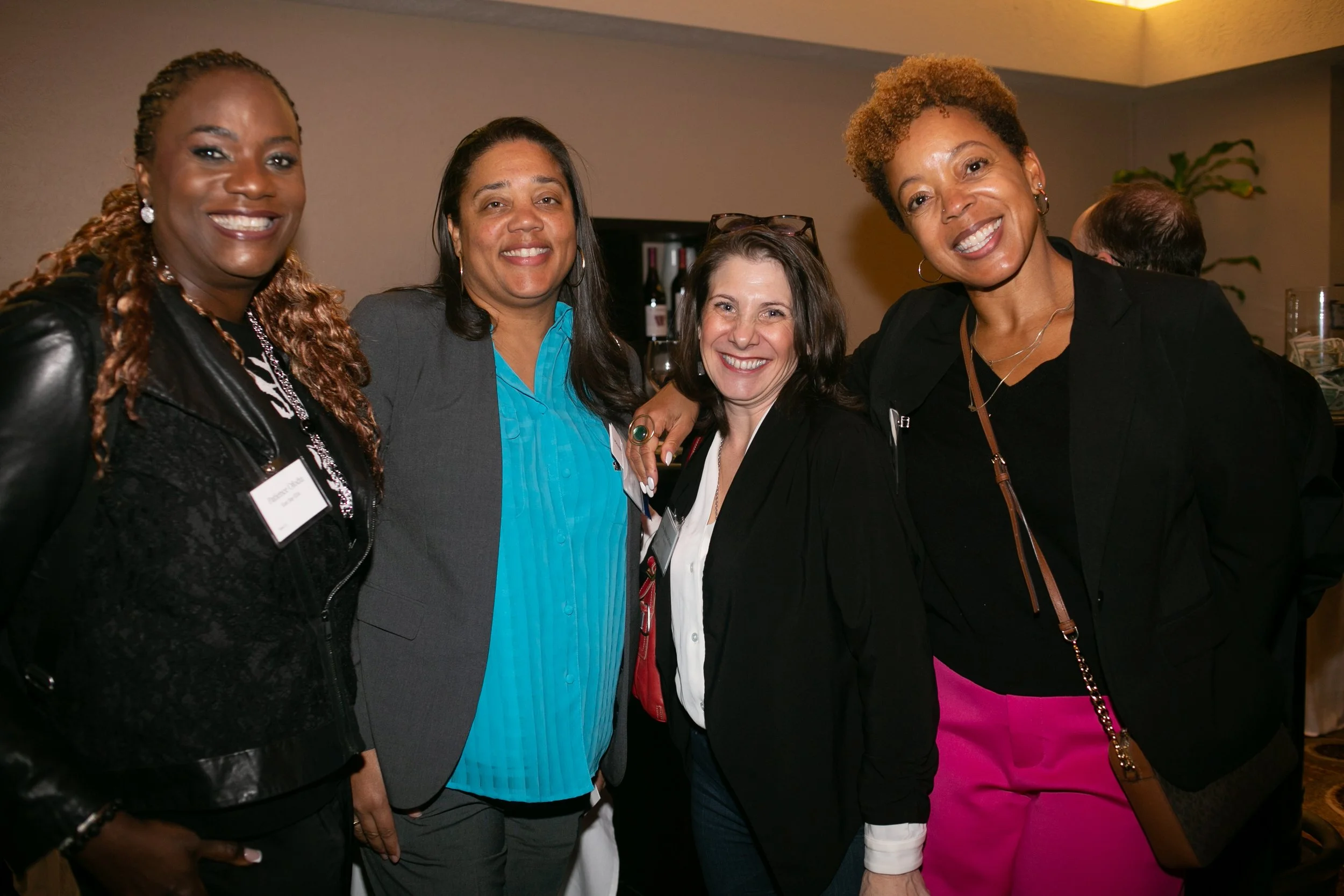
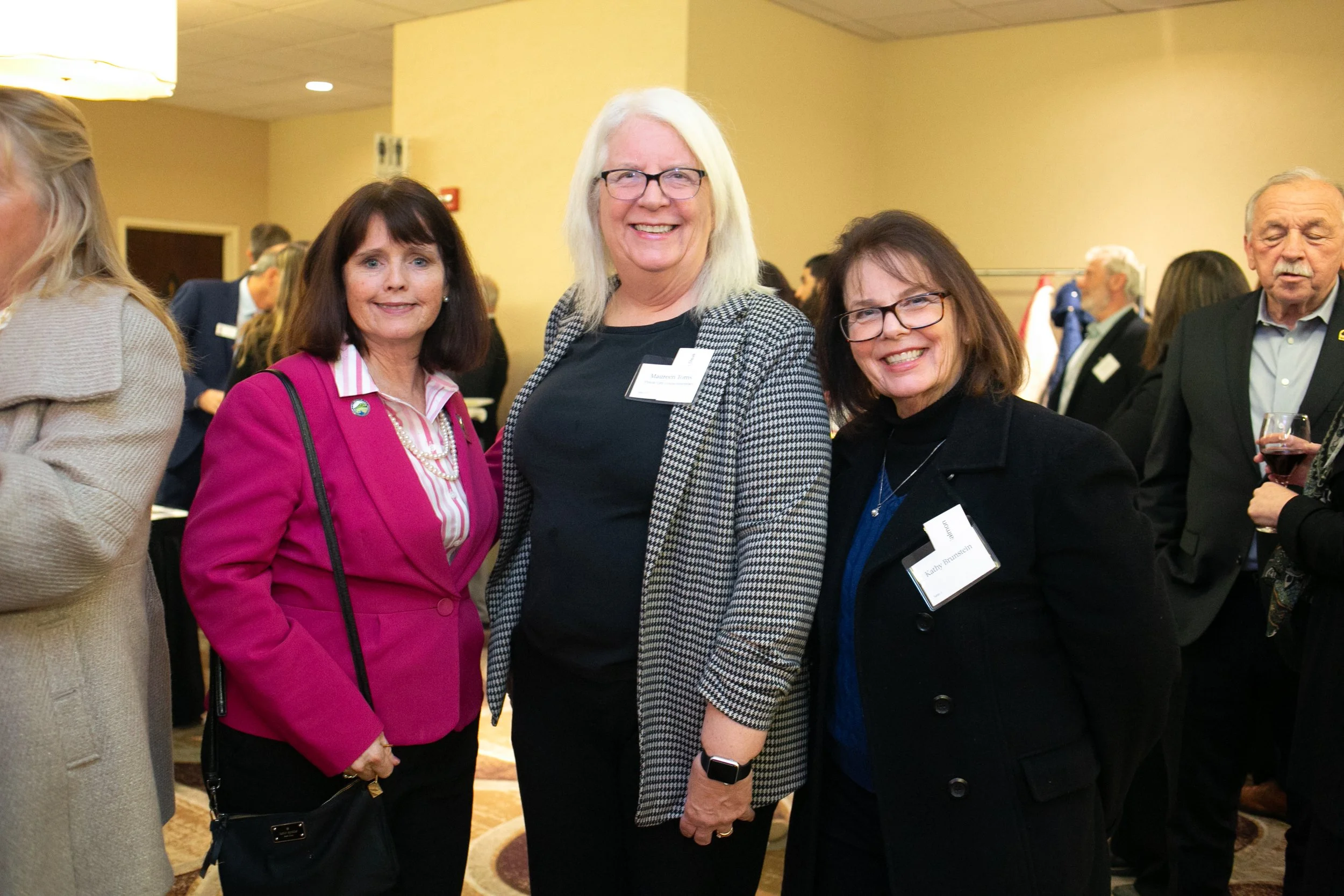
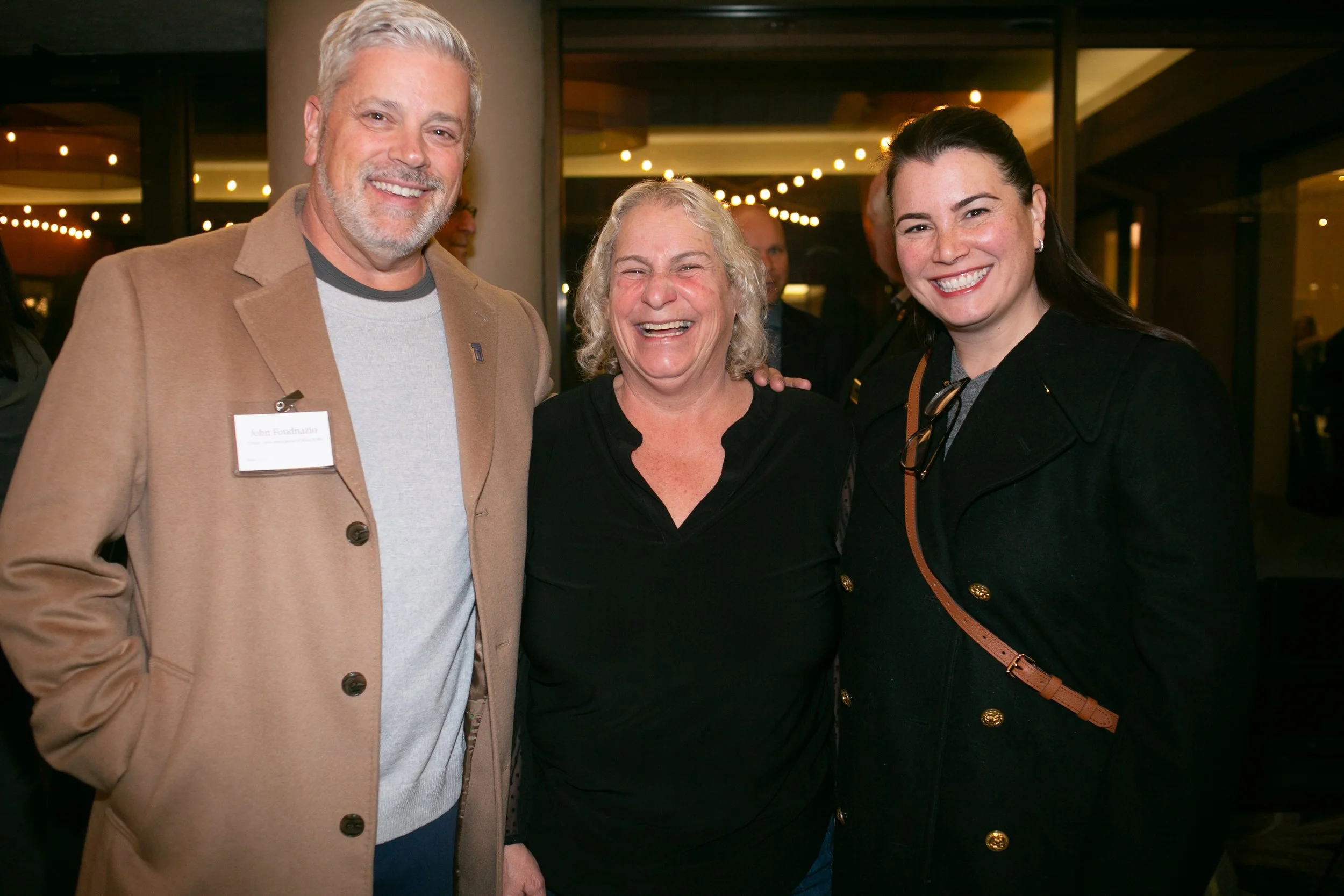
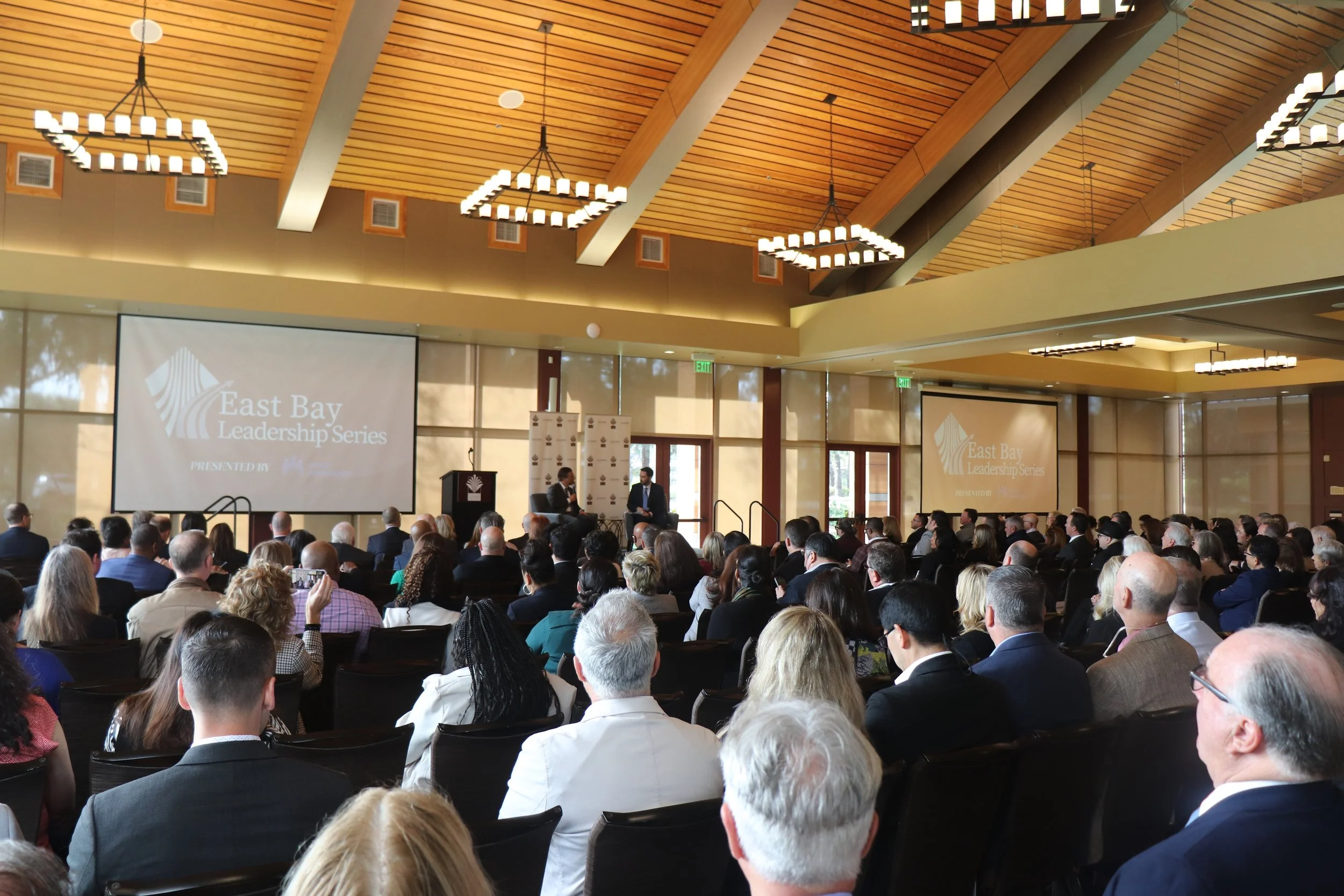
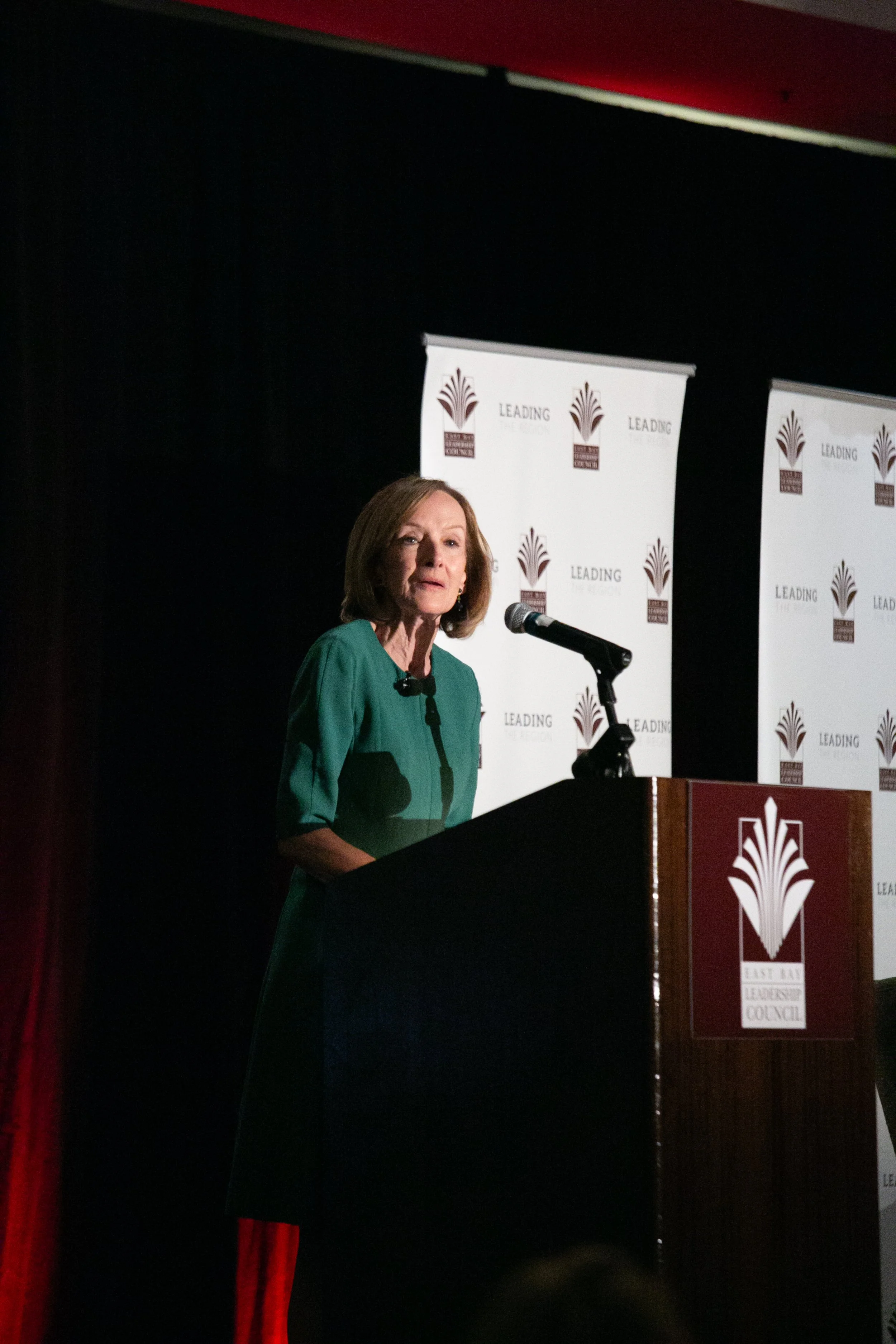
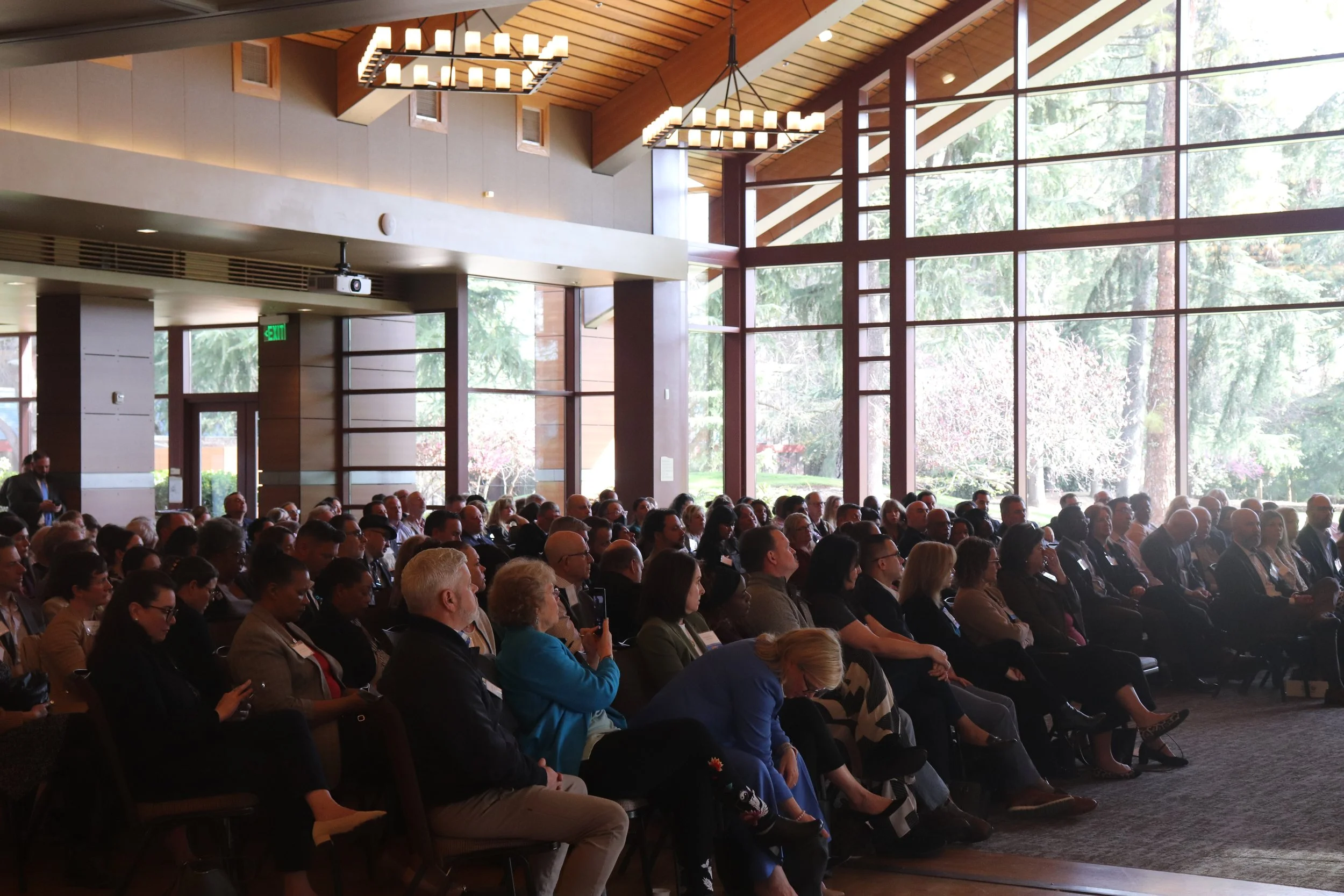
600 attendees
3 nationally renowned keynotes
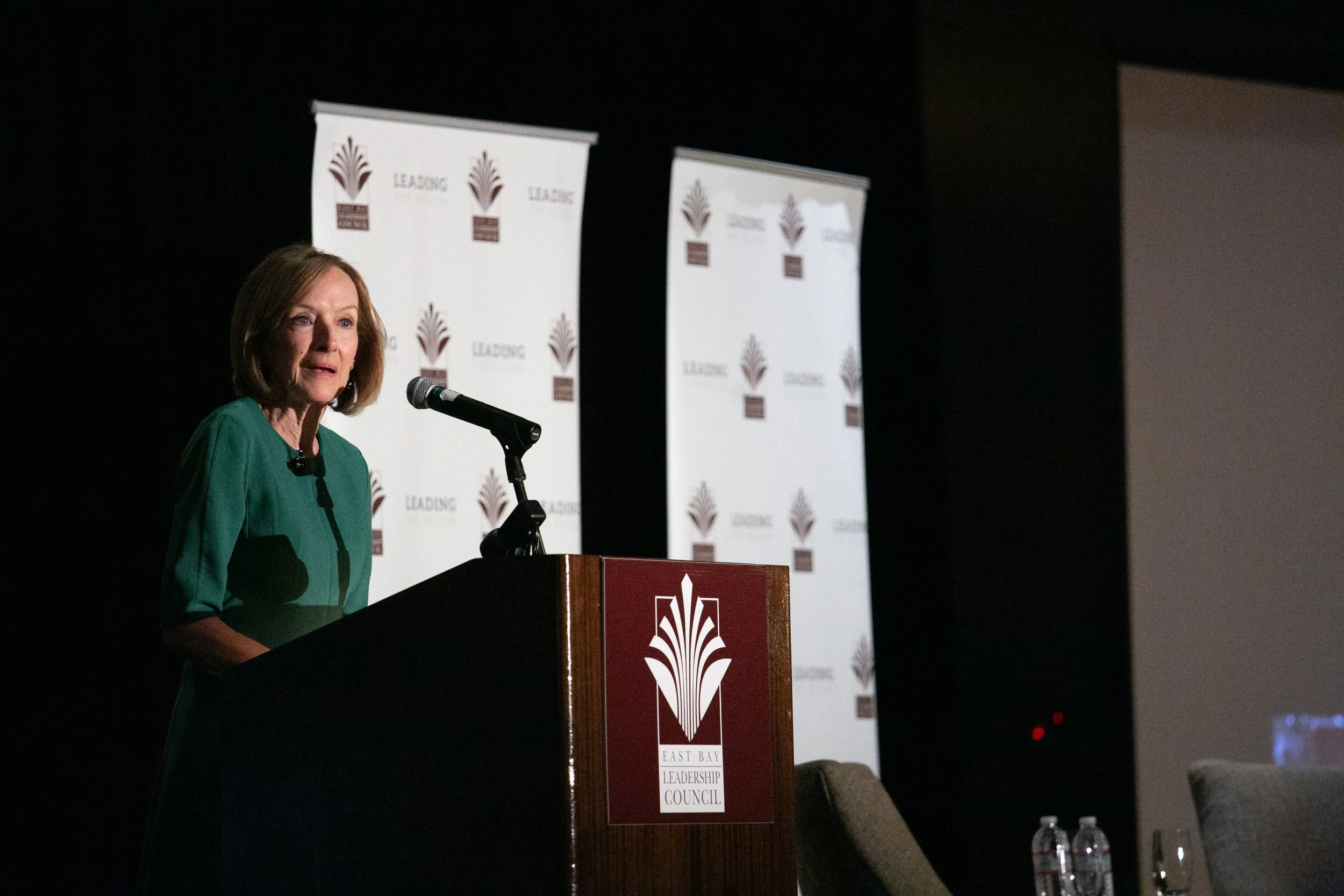
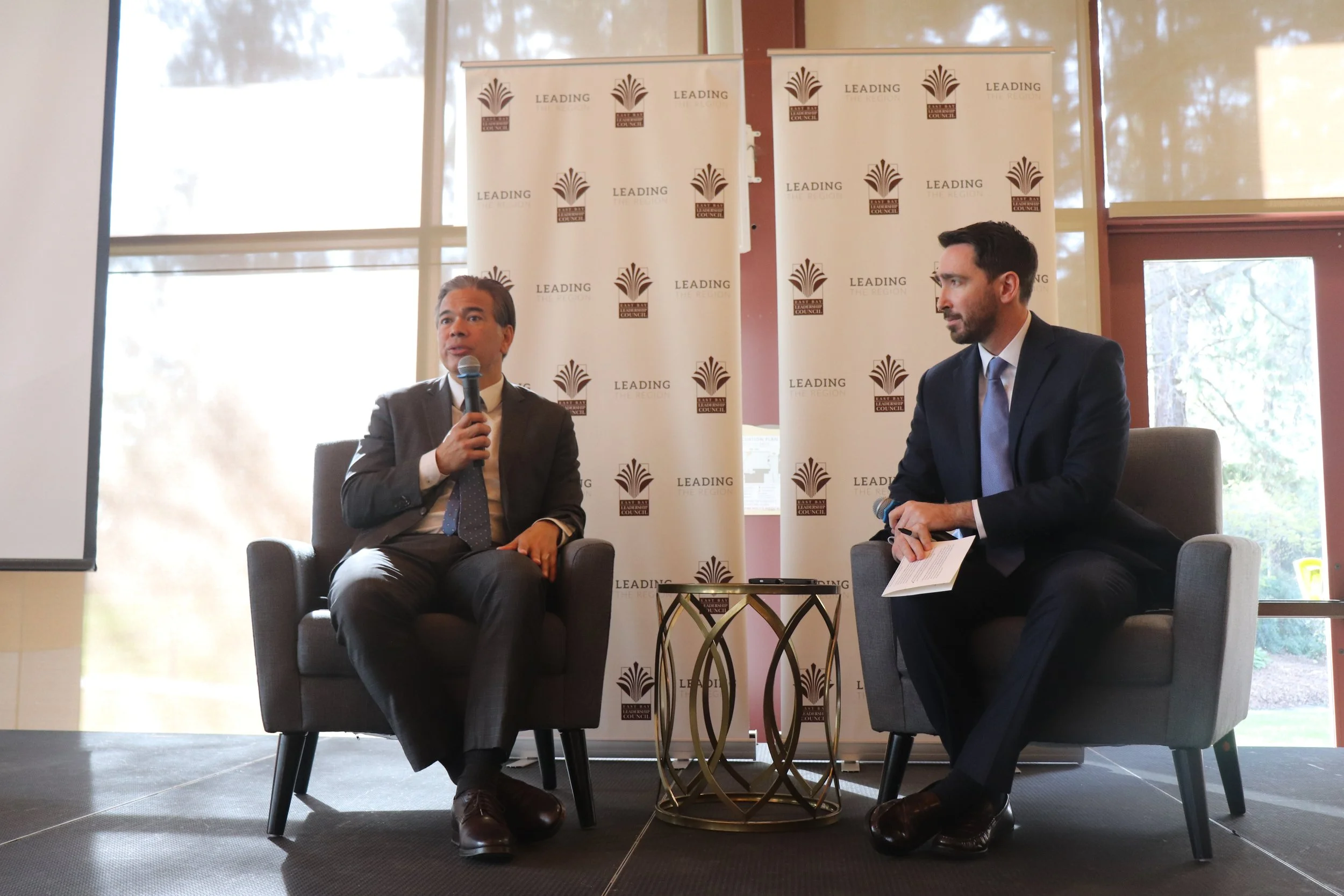
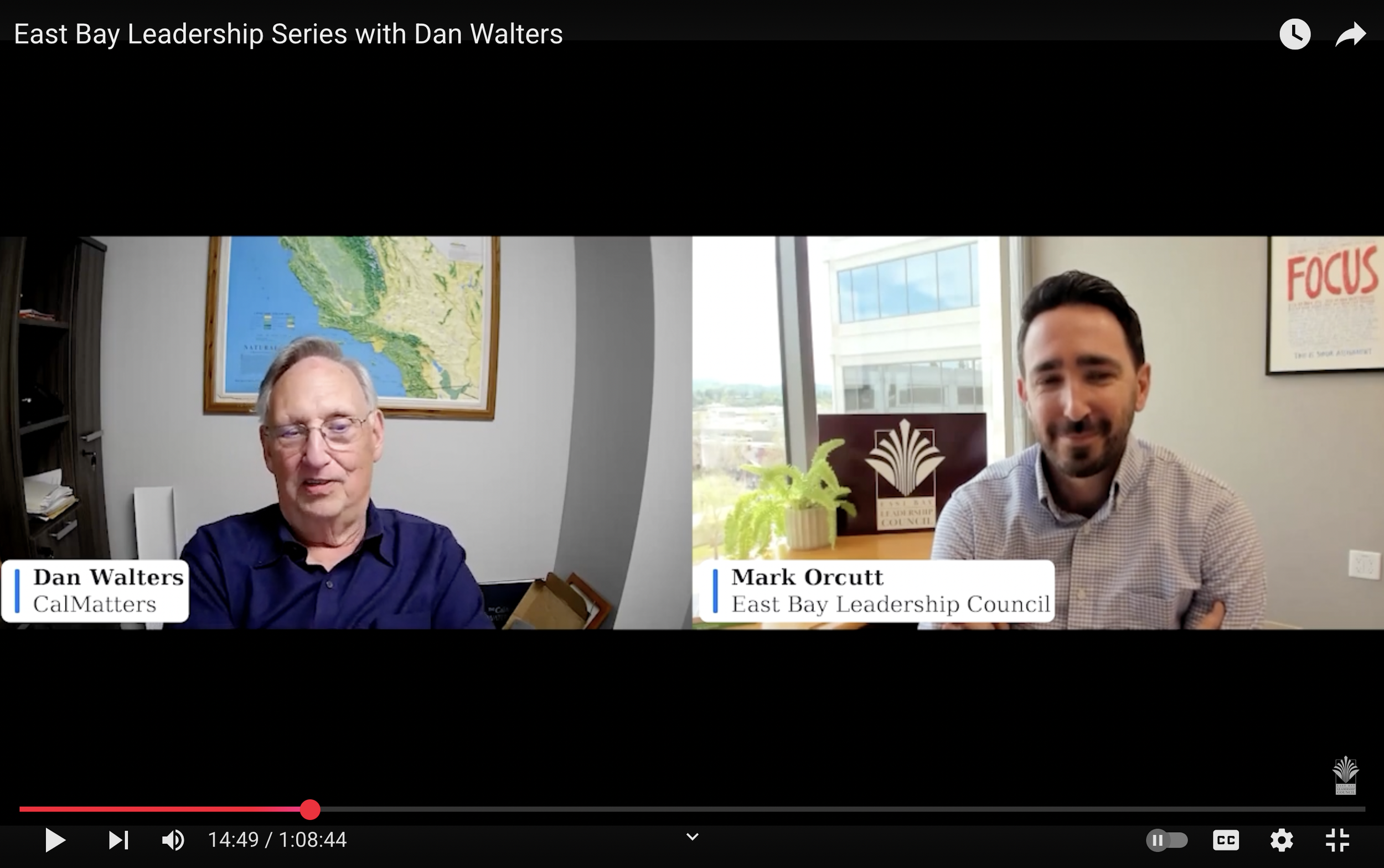
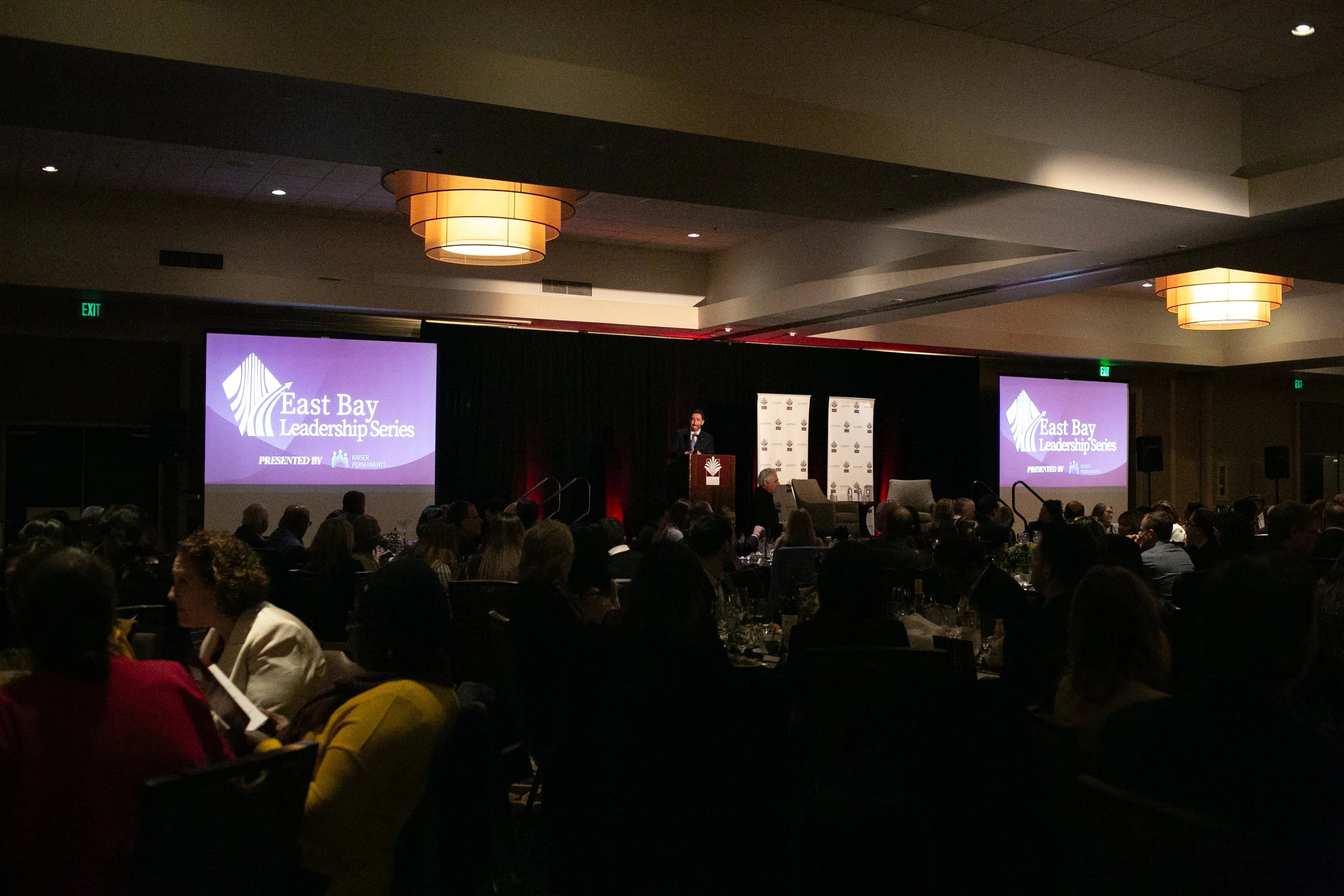
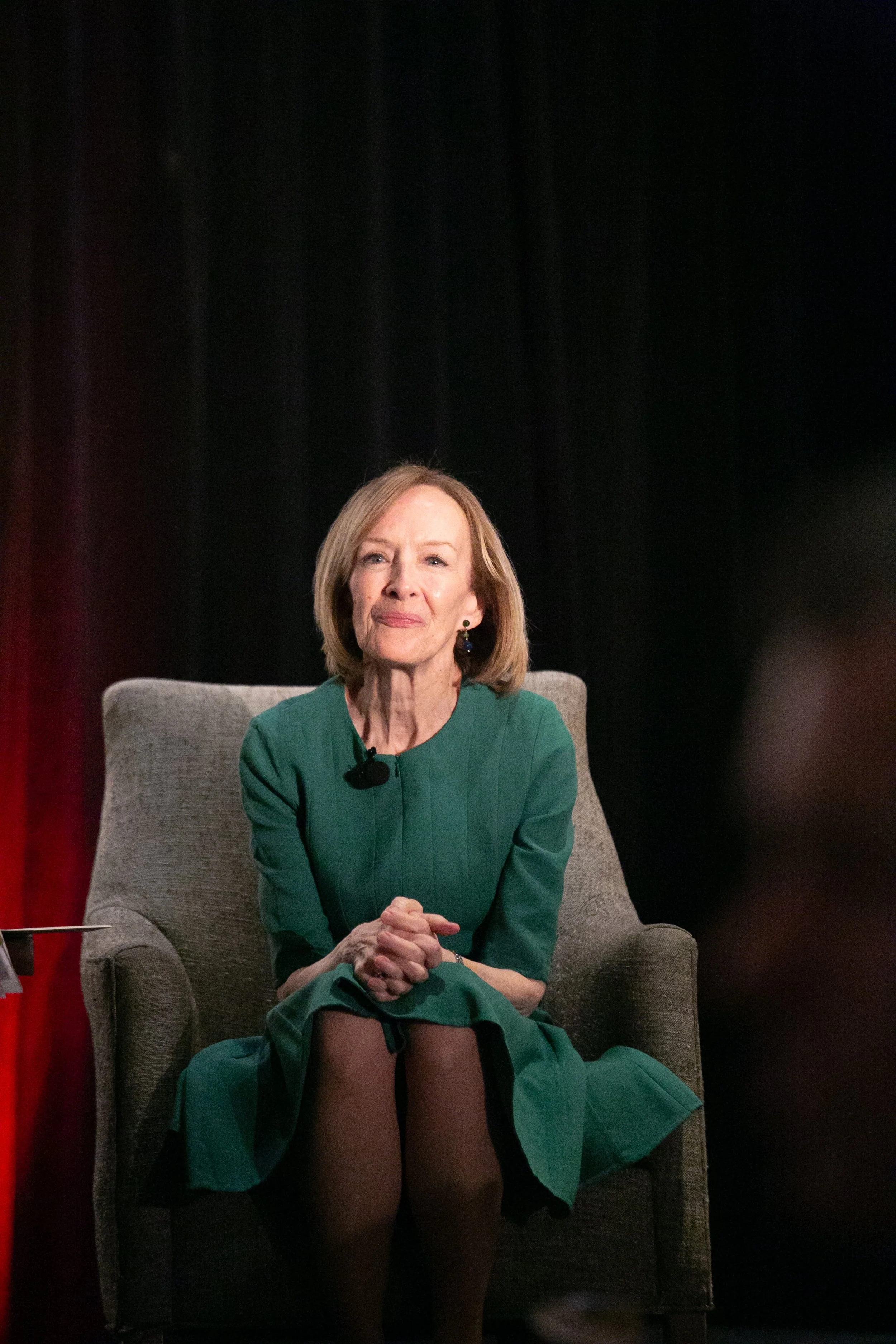
In 2025, the Leadership series convened top East Bay leaders to hear from prominent voices such as PBS NewsHour Senior Correspondent Judy Woodruff, California Attorney General Rob Bonta, and political writer Dan Walters, who offered timely insights on the challenges and opportunities facing our state. The event also welcomed youth reporters from Contra Costa Youth Journalism, creating opportunities for the next generation of storytellers to engage directly with regional leaders and civic dialogue.
Capitol Series
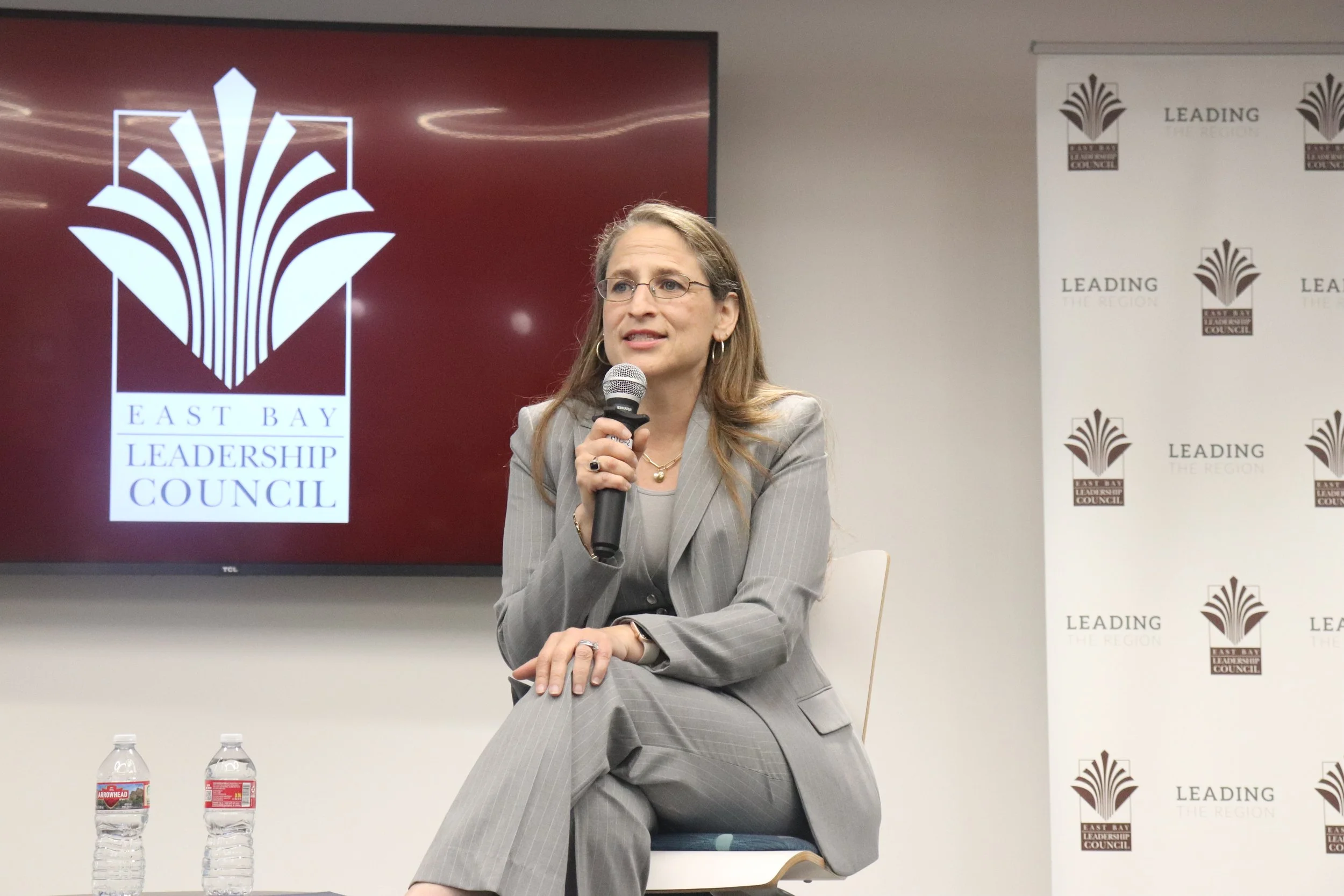
150 attendees
2 State Senators, 1 State Assemblymember
100% of attendees plan to attend future events
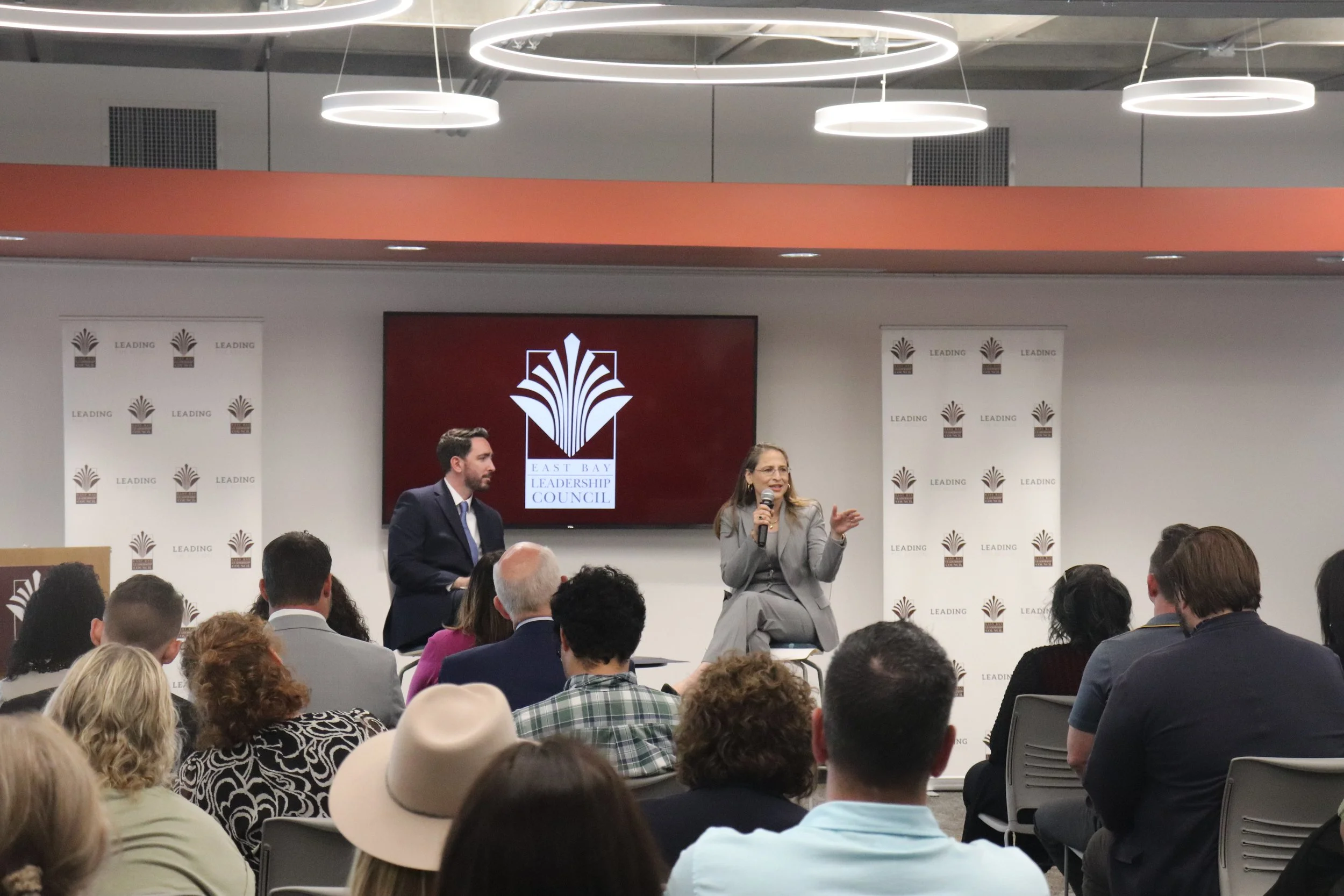
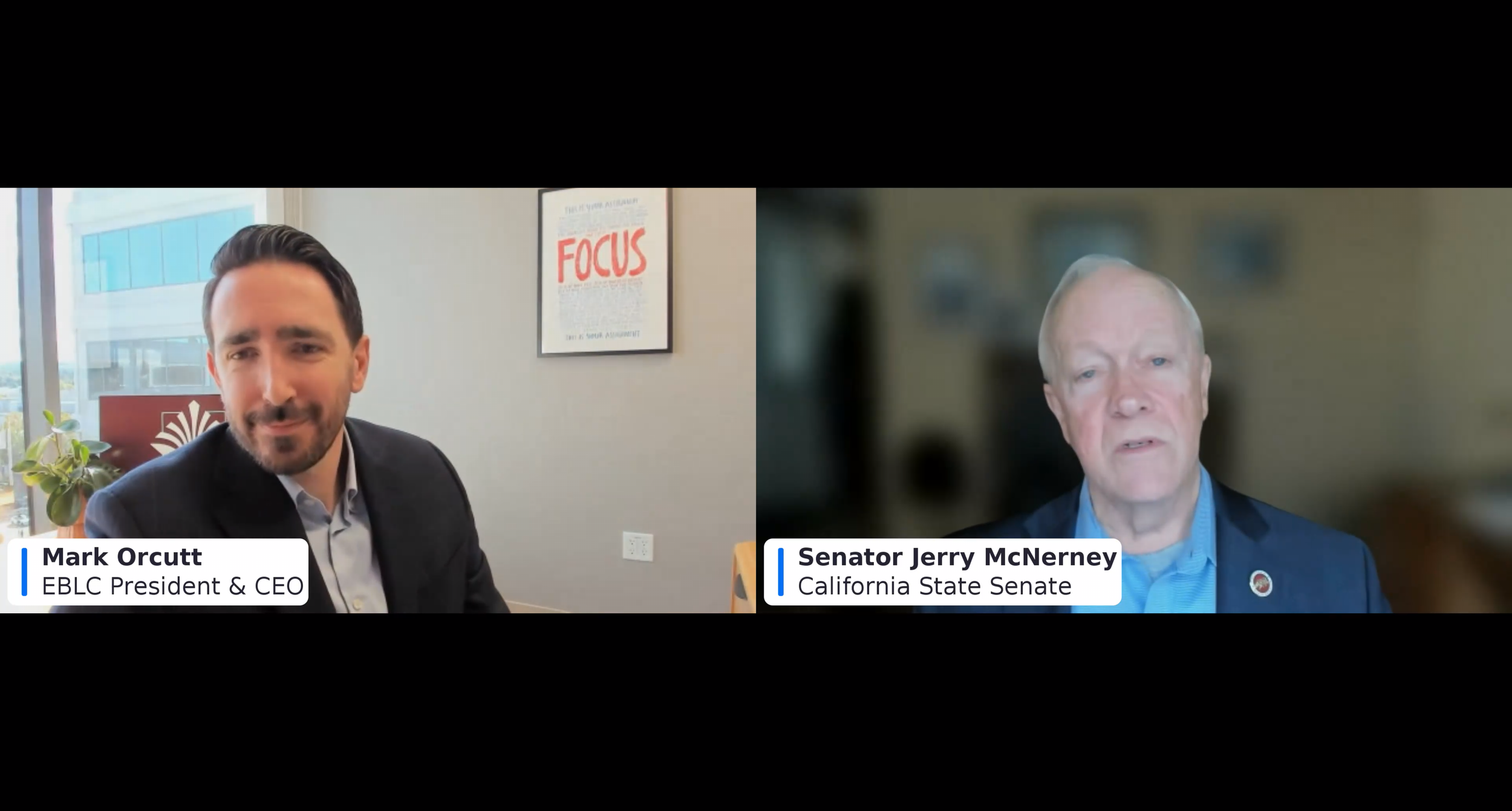
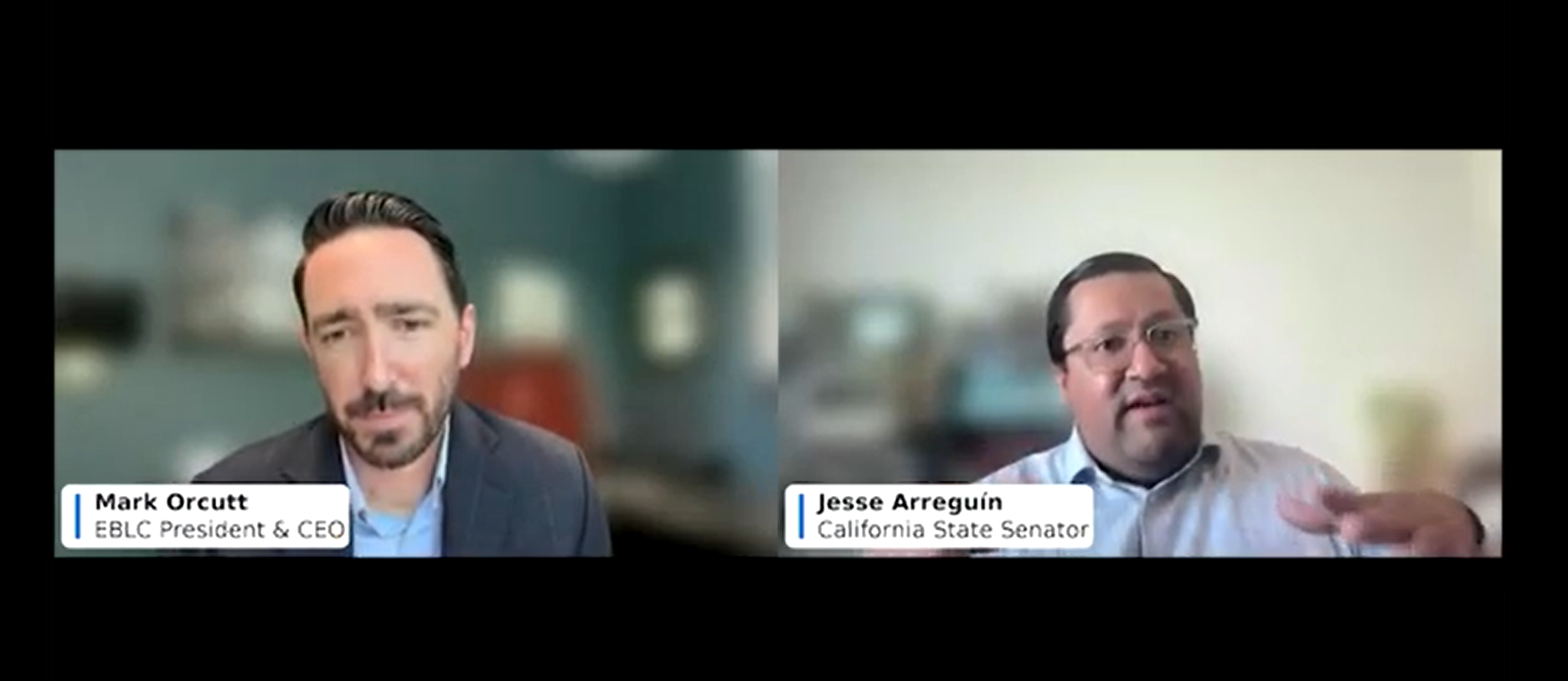
The 2025 Capitol Series brought policy conversations directly to our members, featuring leaders such as Assemblymember Ávila Farías, Senator Jesse Arreguín, and Senator Jerry McNerney, who addressed key issues ranging from housing challenges and critical infrastructure investments to energy innovation, environmental conservation, and AI regulation.
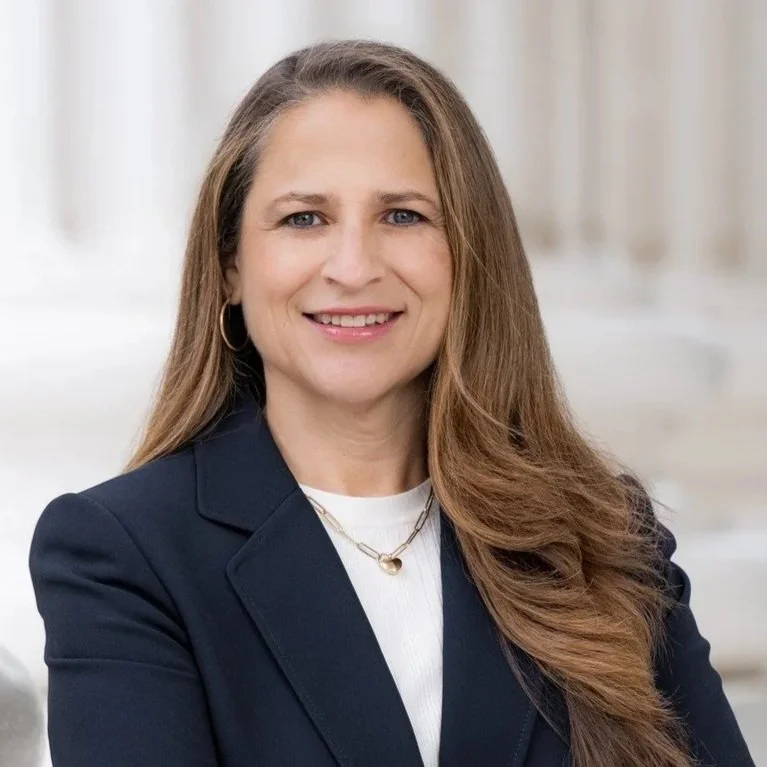
“I’m grateful for EBLC as a trusted partner and for the honest, productive dialogue we’ve had on a wide range of legislative priorities.”
Installation Awards




200 attendees
3 civic-minded leaders recognized
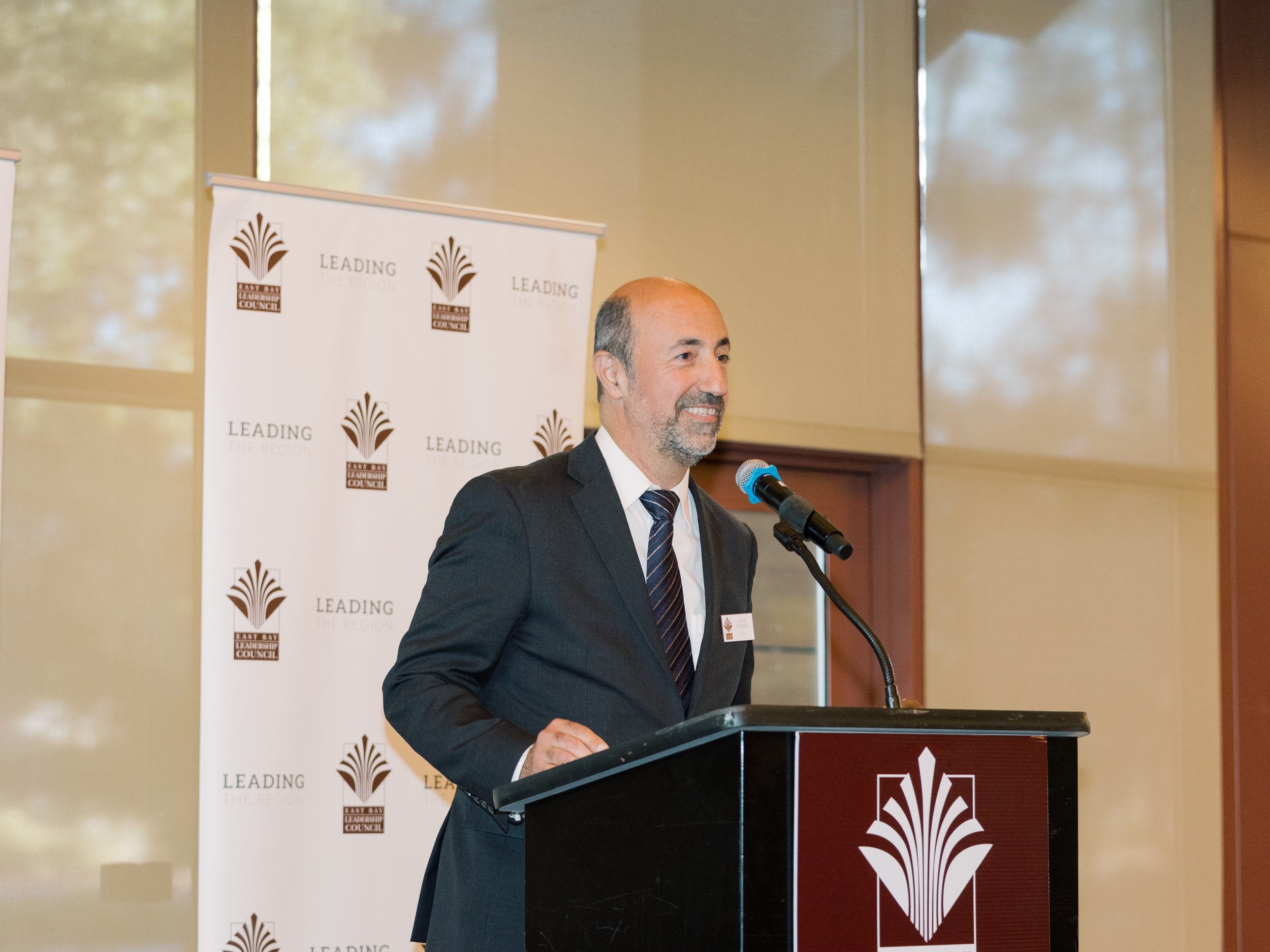
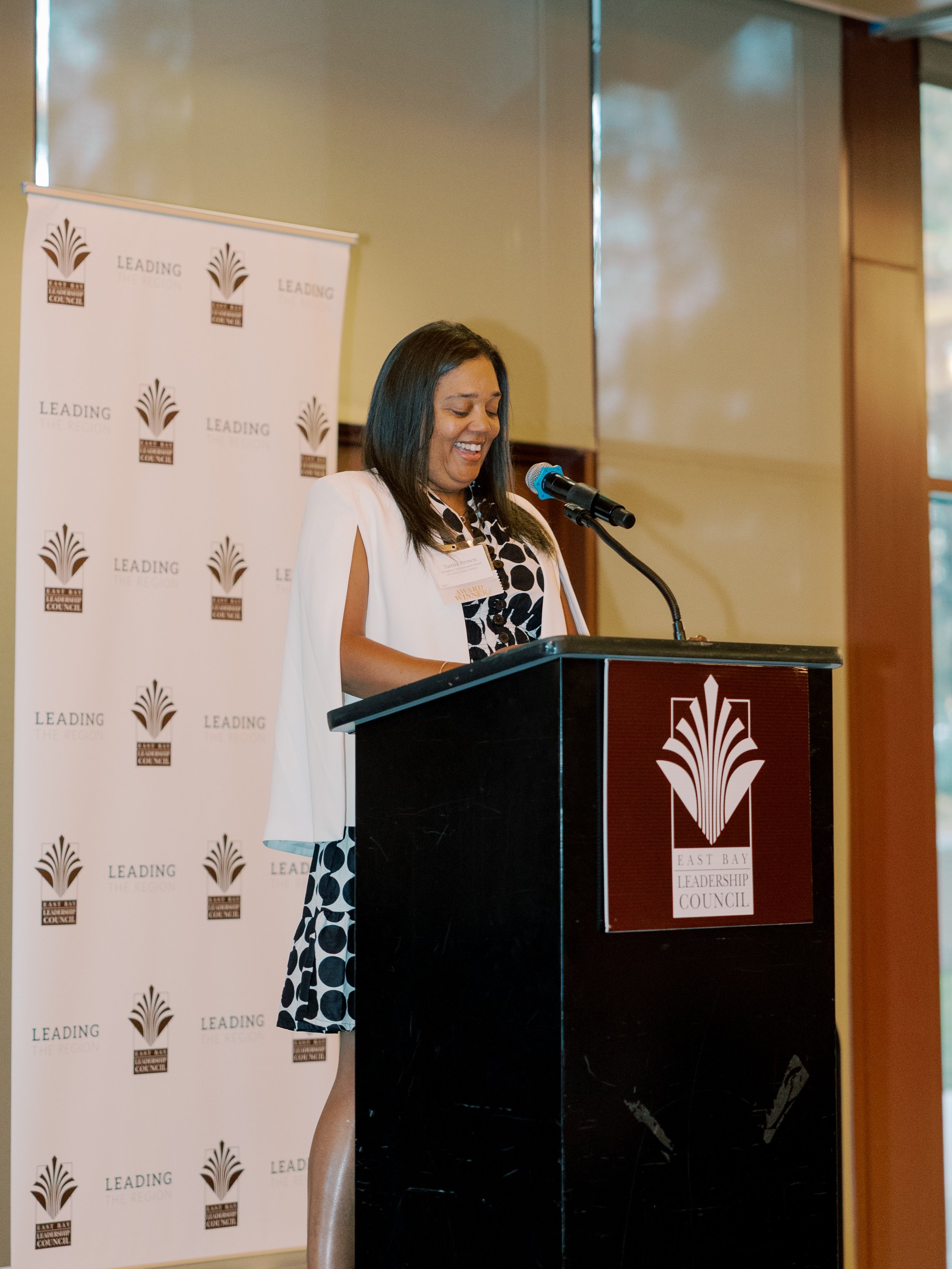
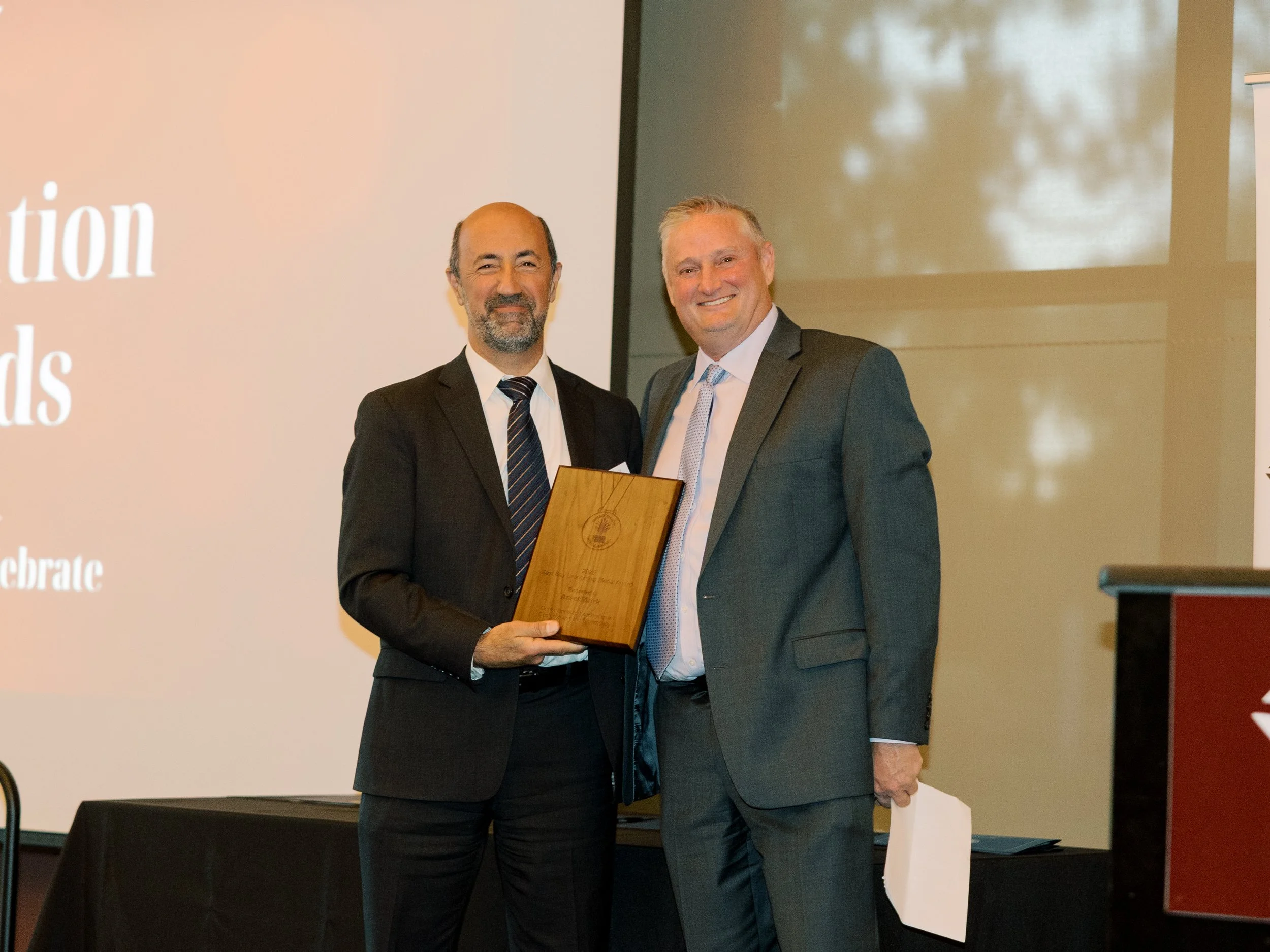
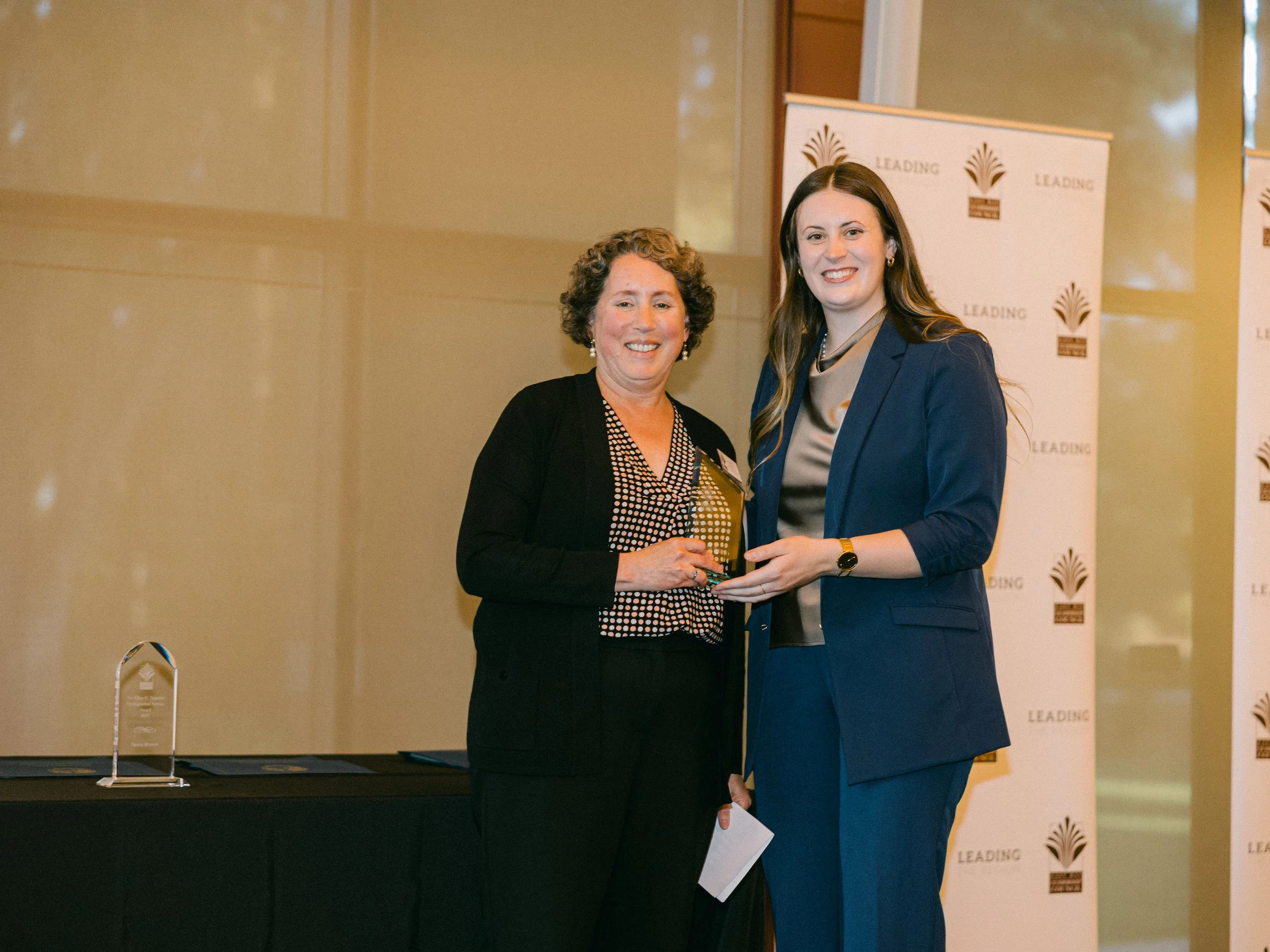
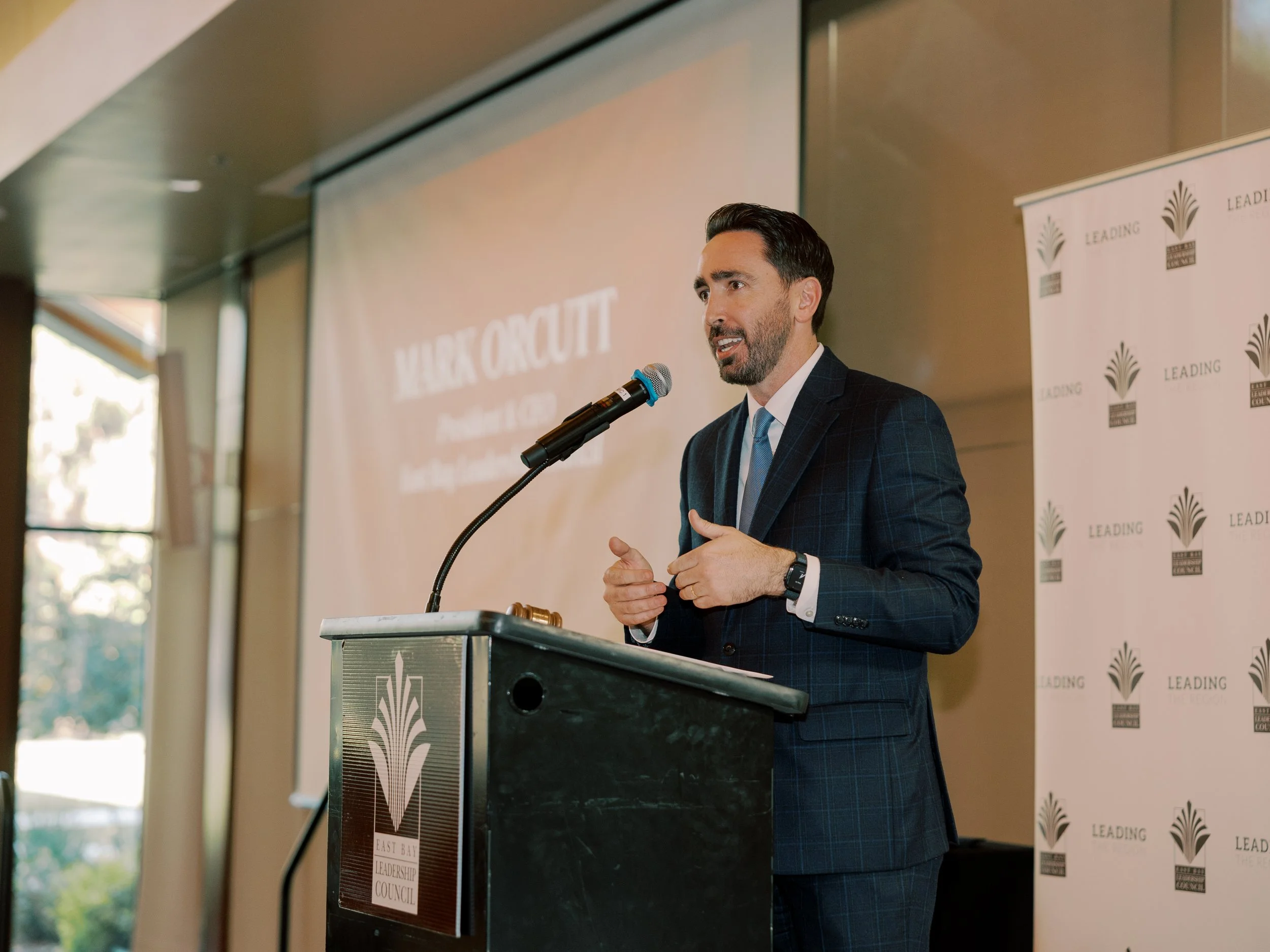
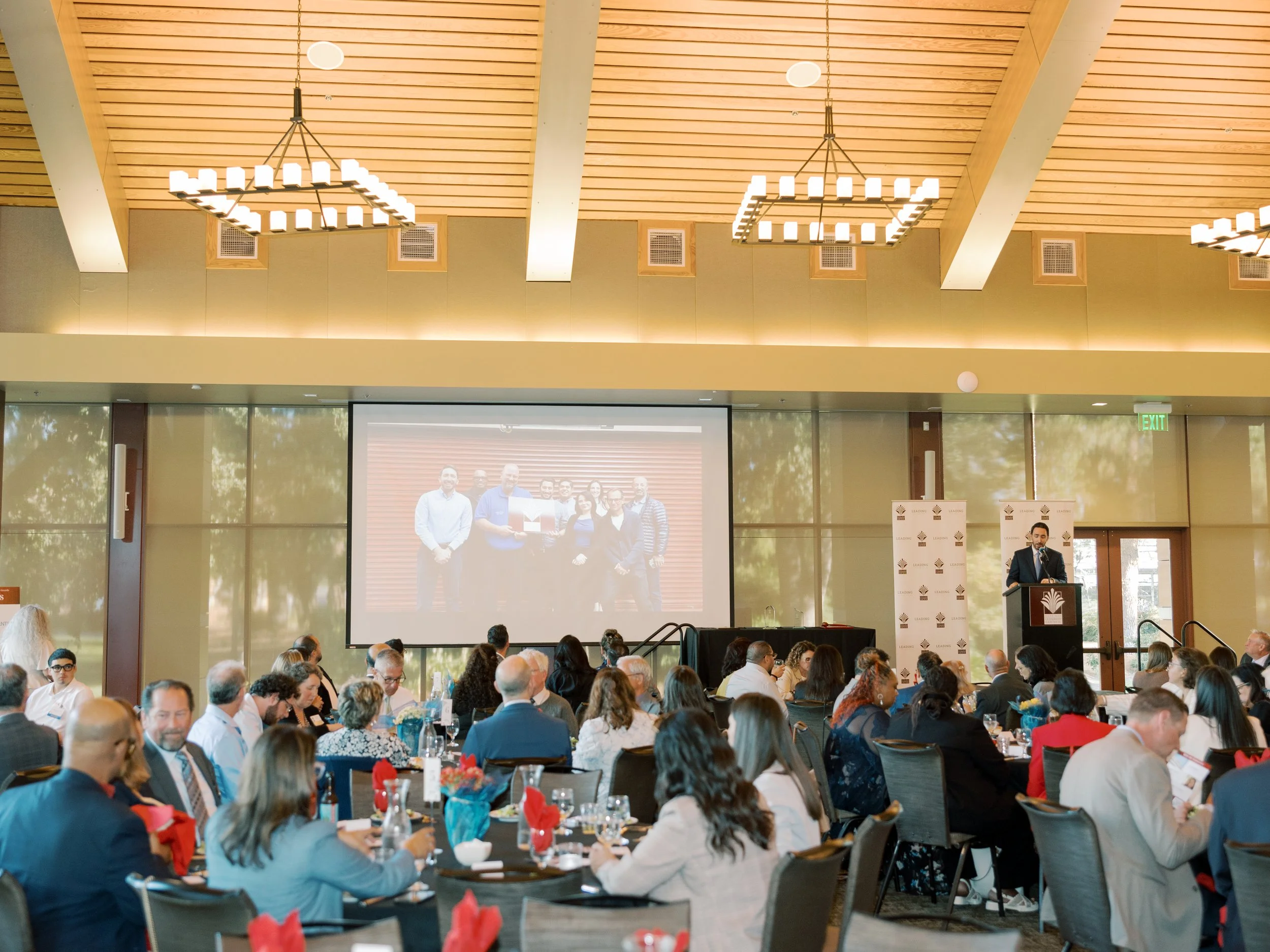
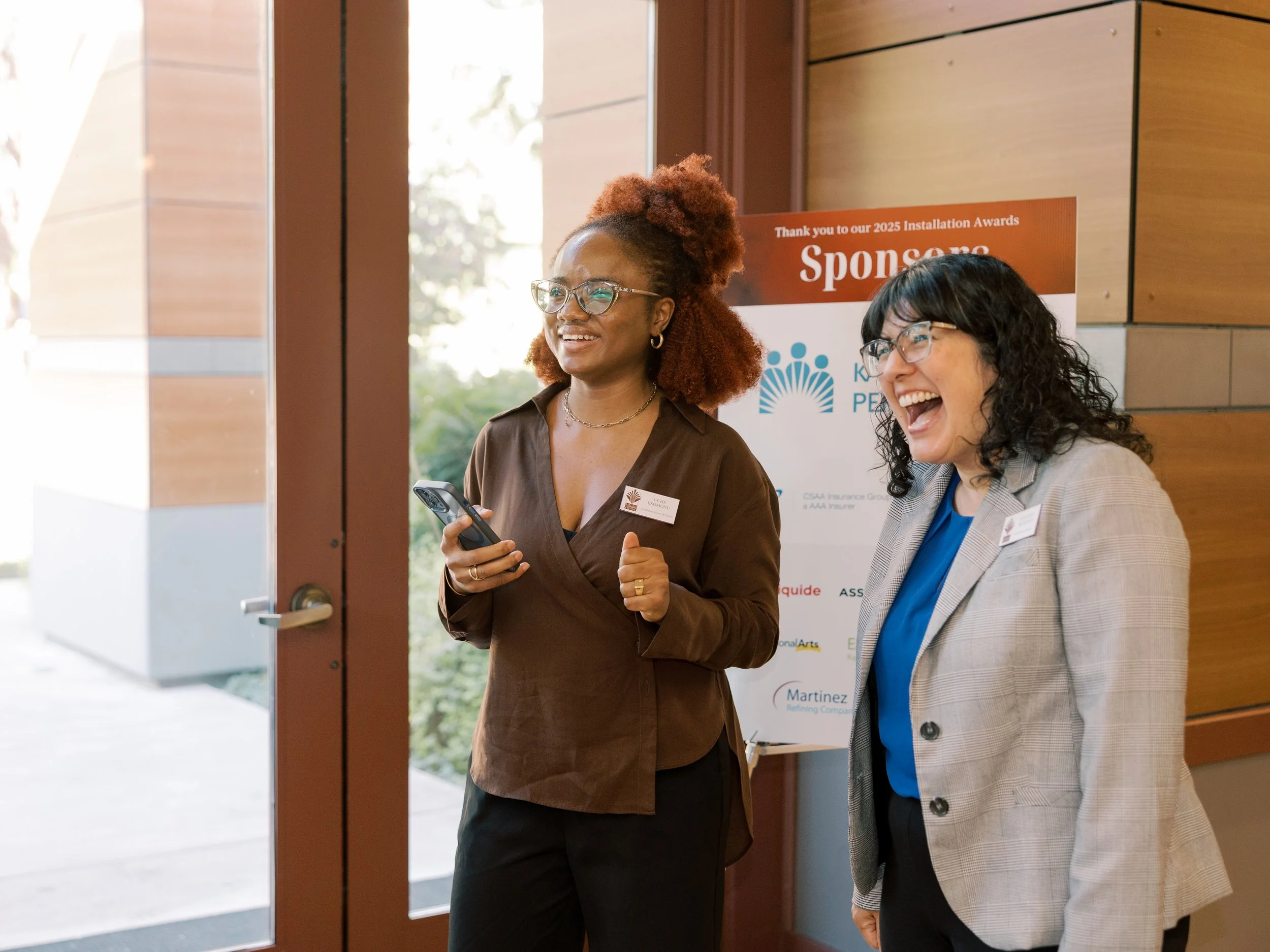
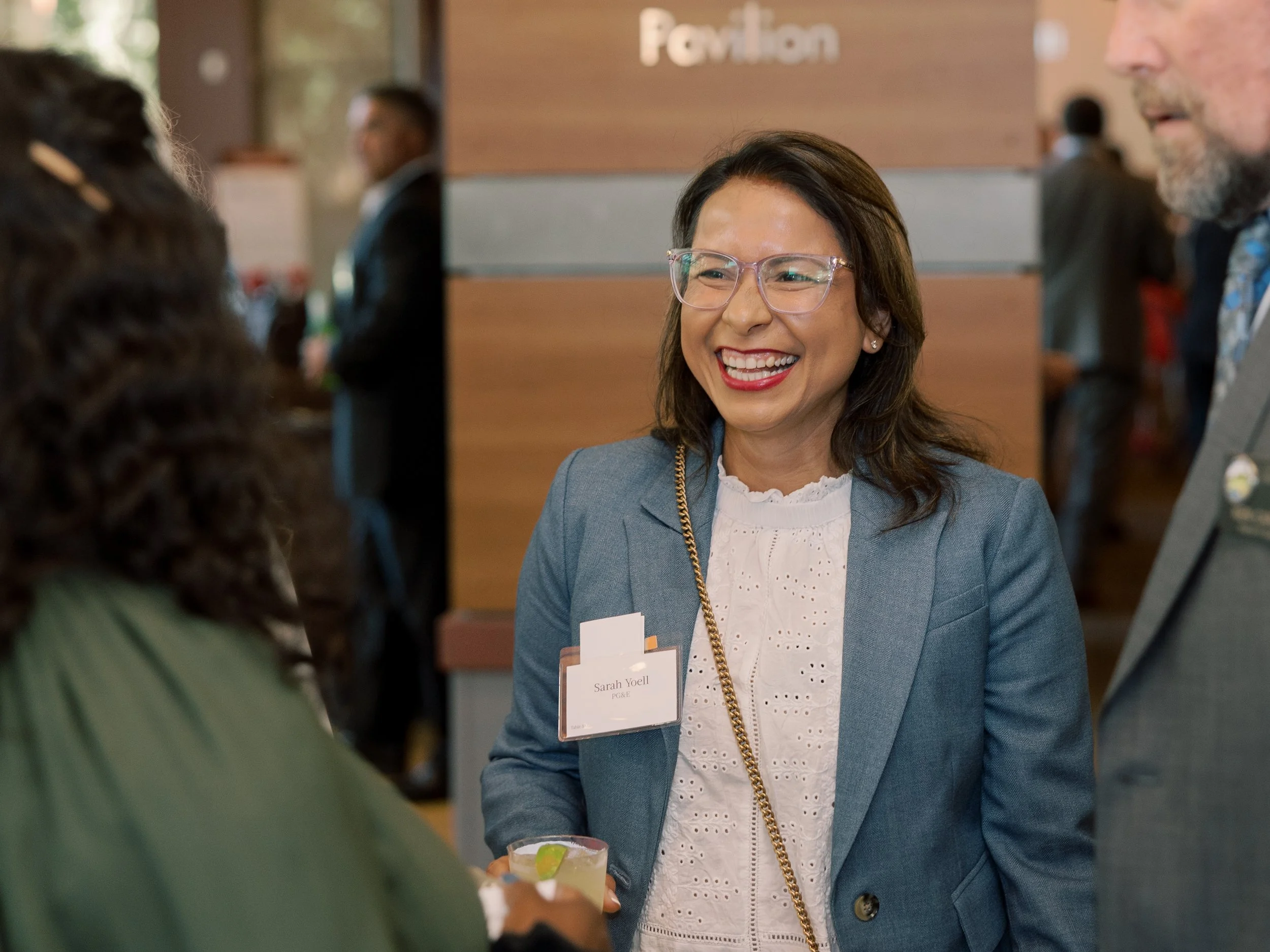
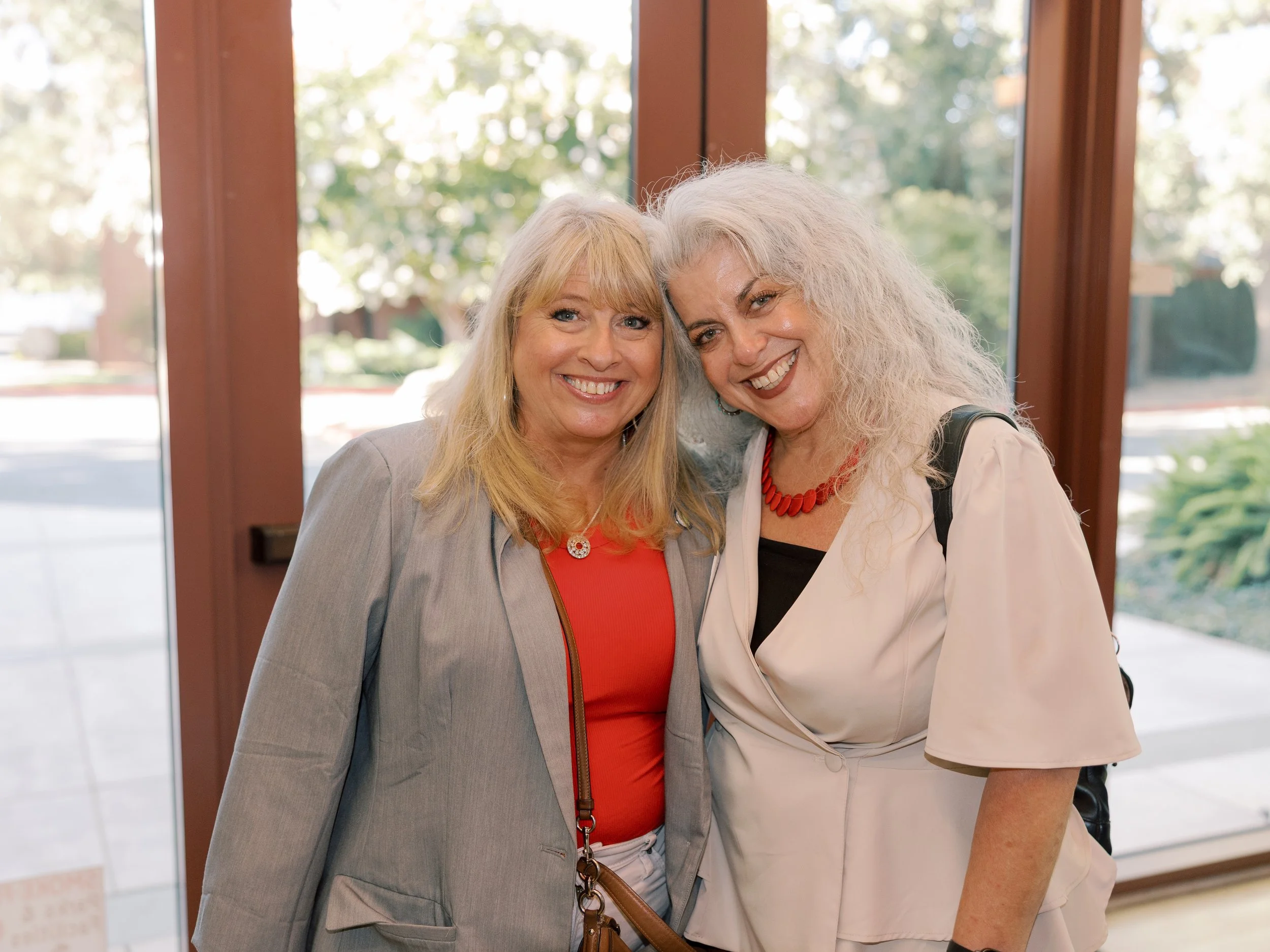
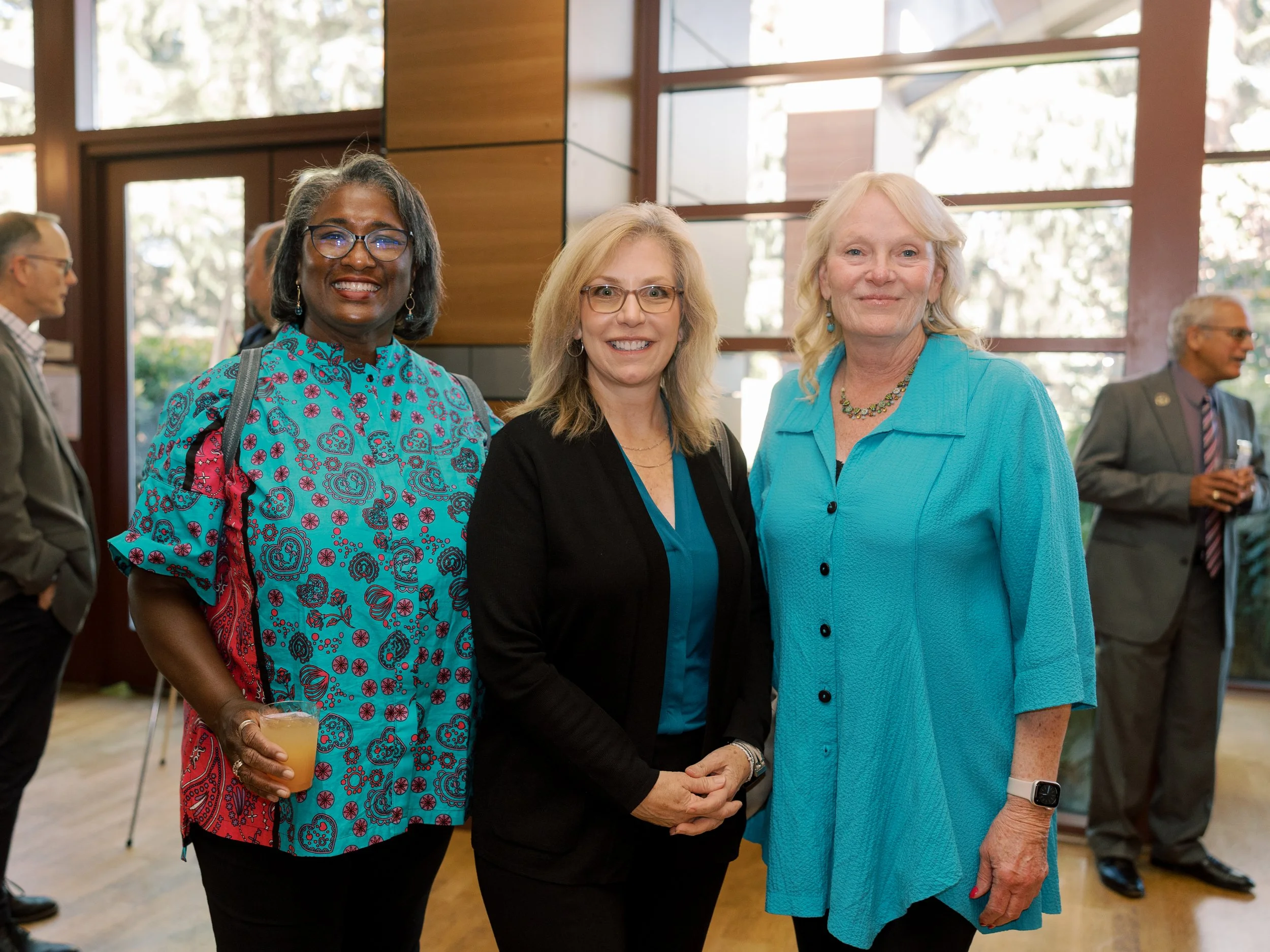
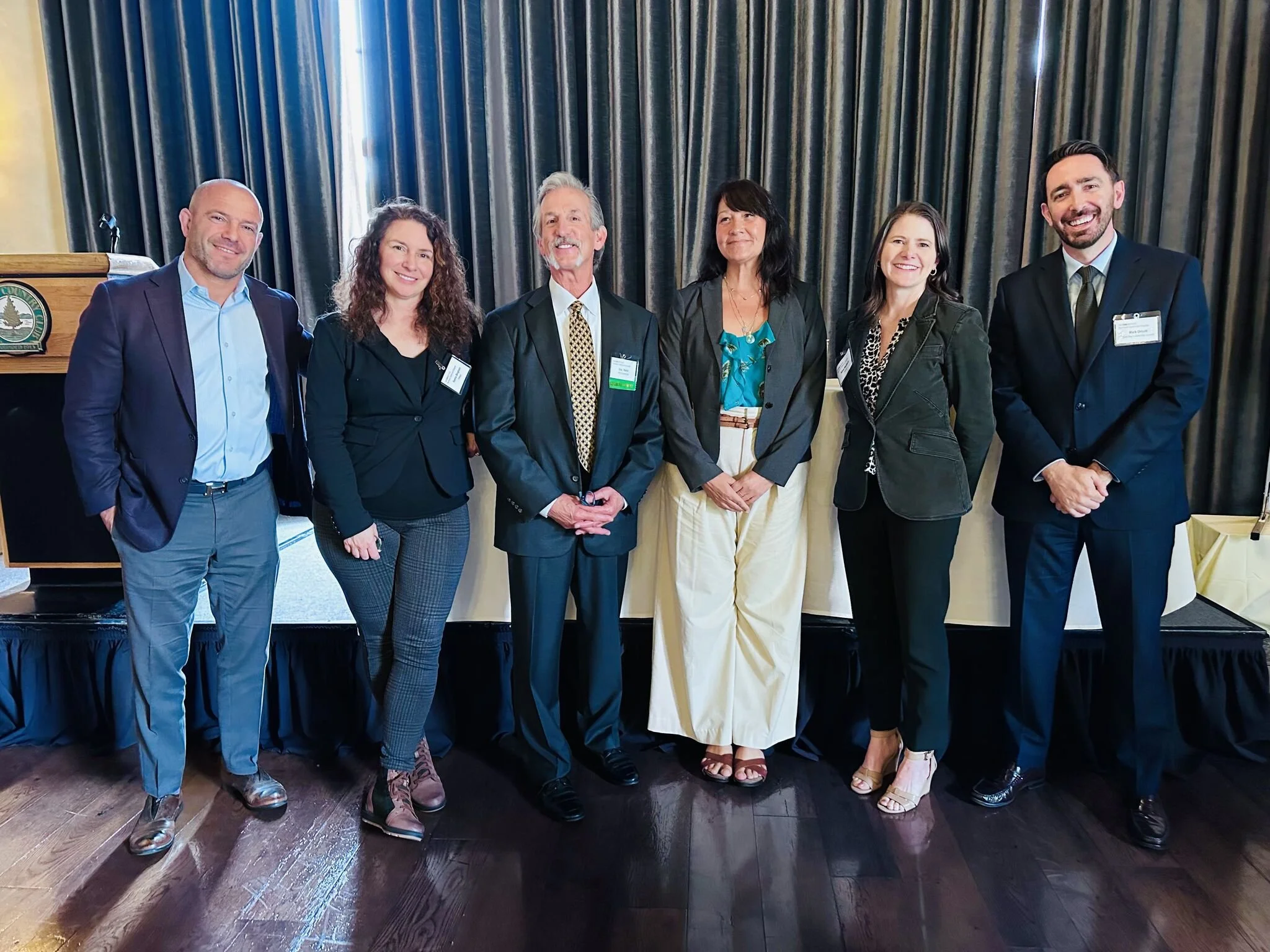
The 2025 Installation Awards celebrated outstanding East Bay leadership, honoring Rebecca Rozen (Hospital Council of Northern and Central California) with the Advocate of the Year Award, Tamia Brown Brown (Workforce Development Board of Contra Costa County) with the Ellen O. Tauscher Distinguished Service Award , and AssetMark with EBLC’s highest honor, the East Bay Leadership Medal. The evening also marked the ceremonial passing of the gavel from outgoing Board Chair Danielle Cagan (CSAA Insurance Group) to incoming Chair Chadi Chazbek (Kimley-Horn), who shared his first official remarks and a bold vision for advancing meaningful regional progress.
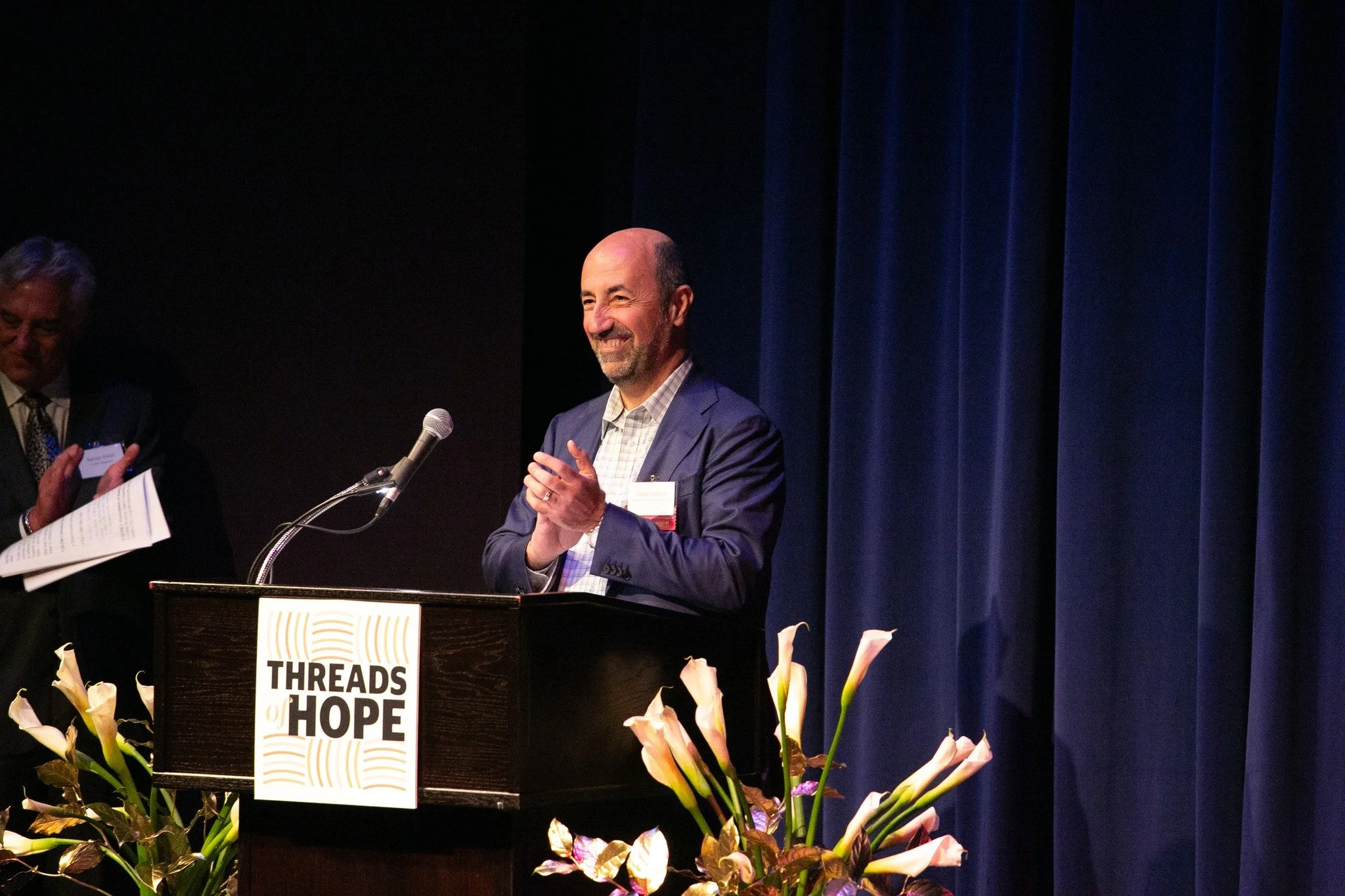
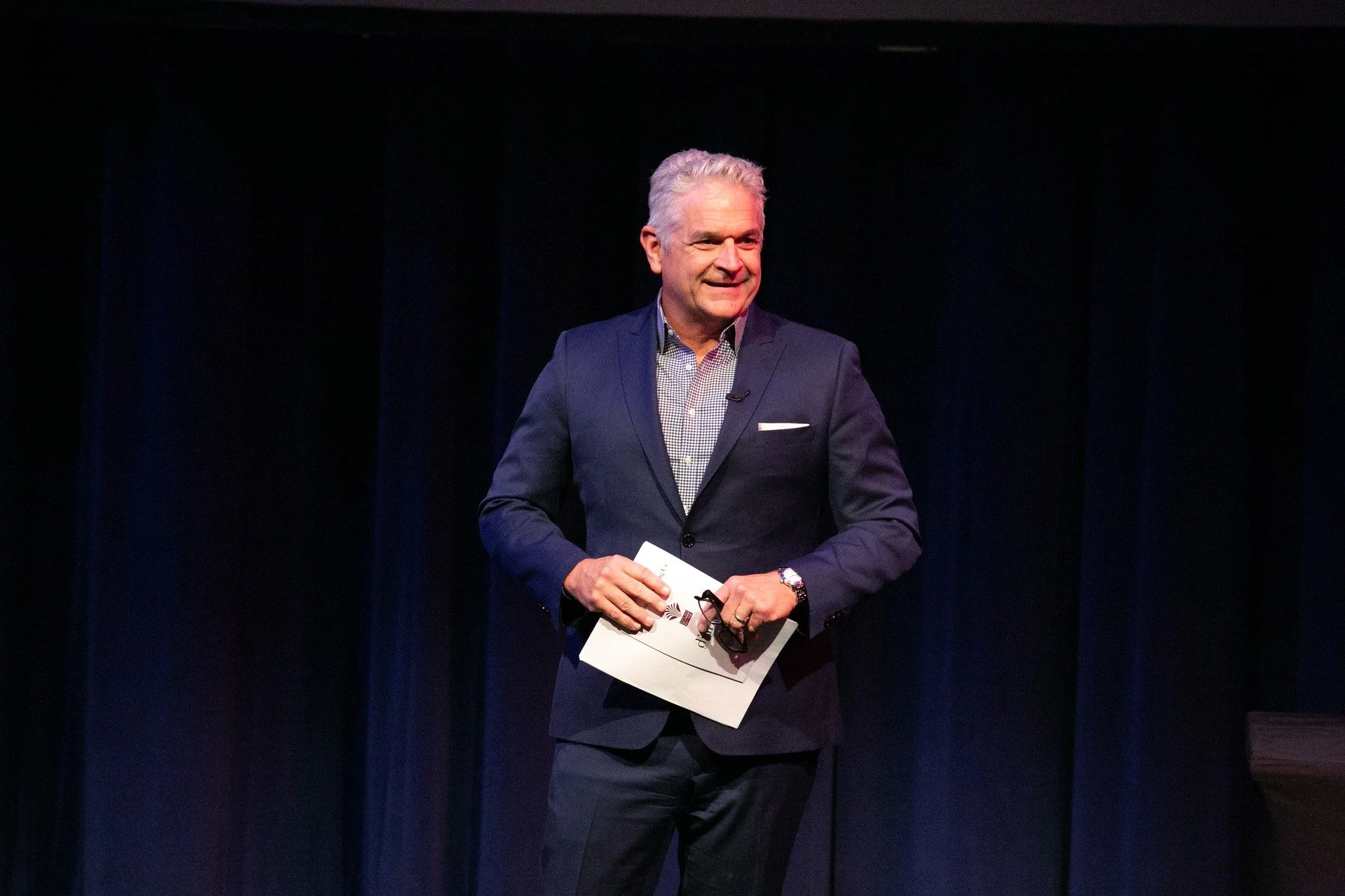
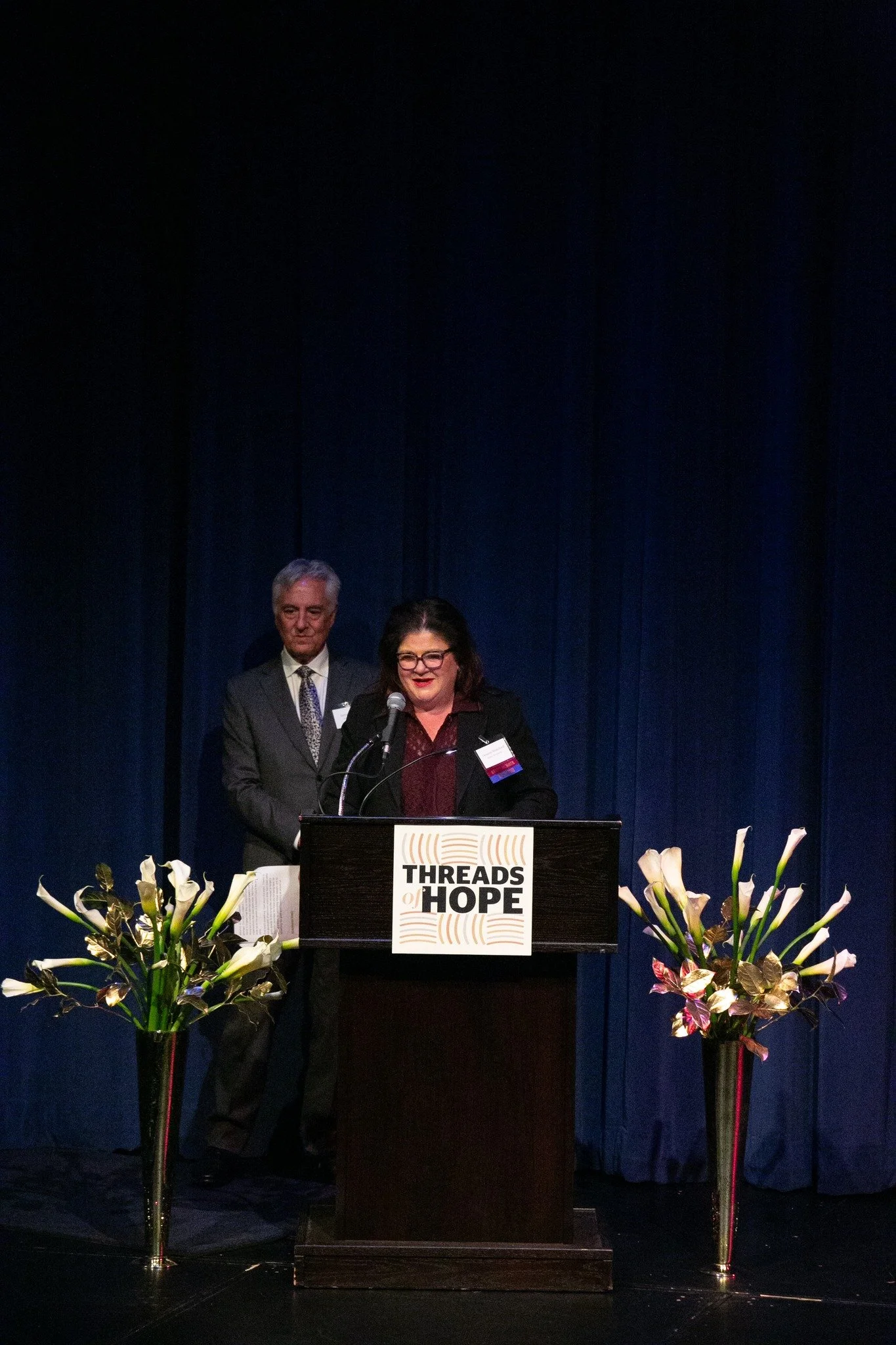
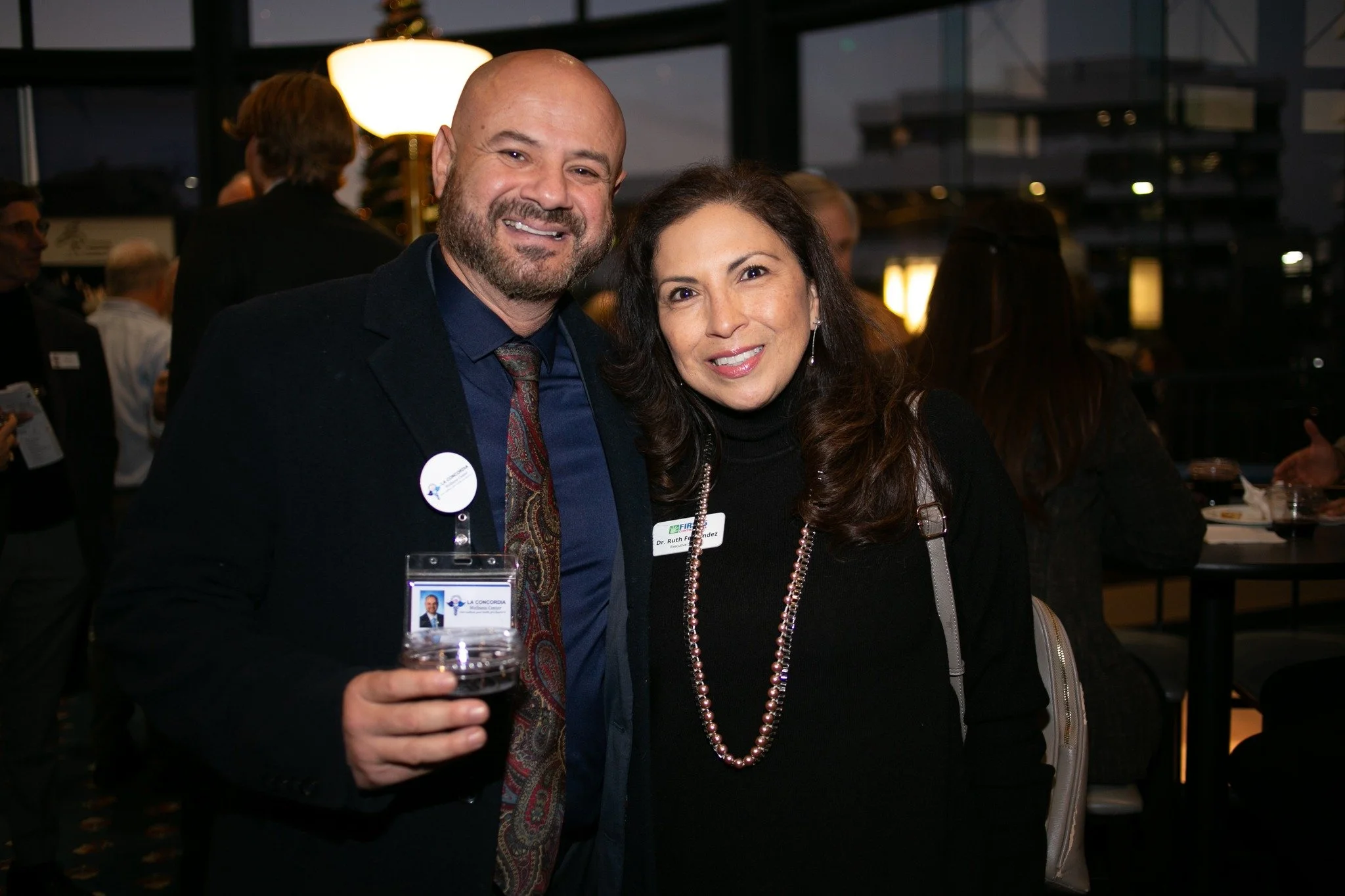
Threads of Hope Awards

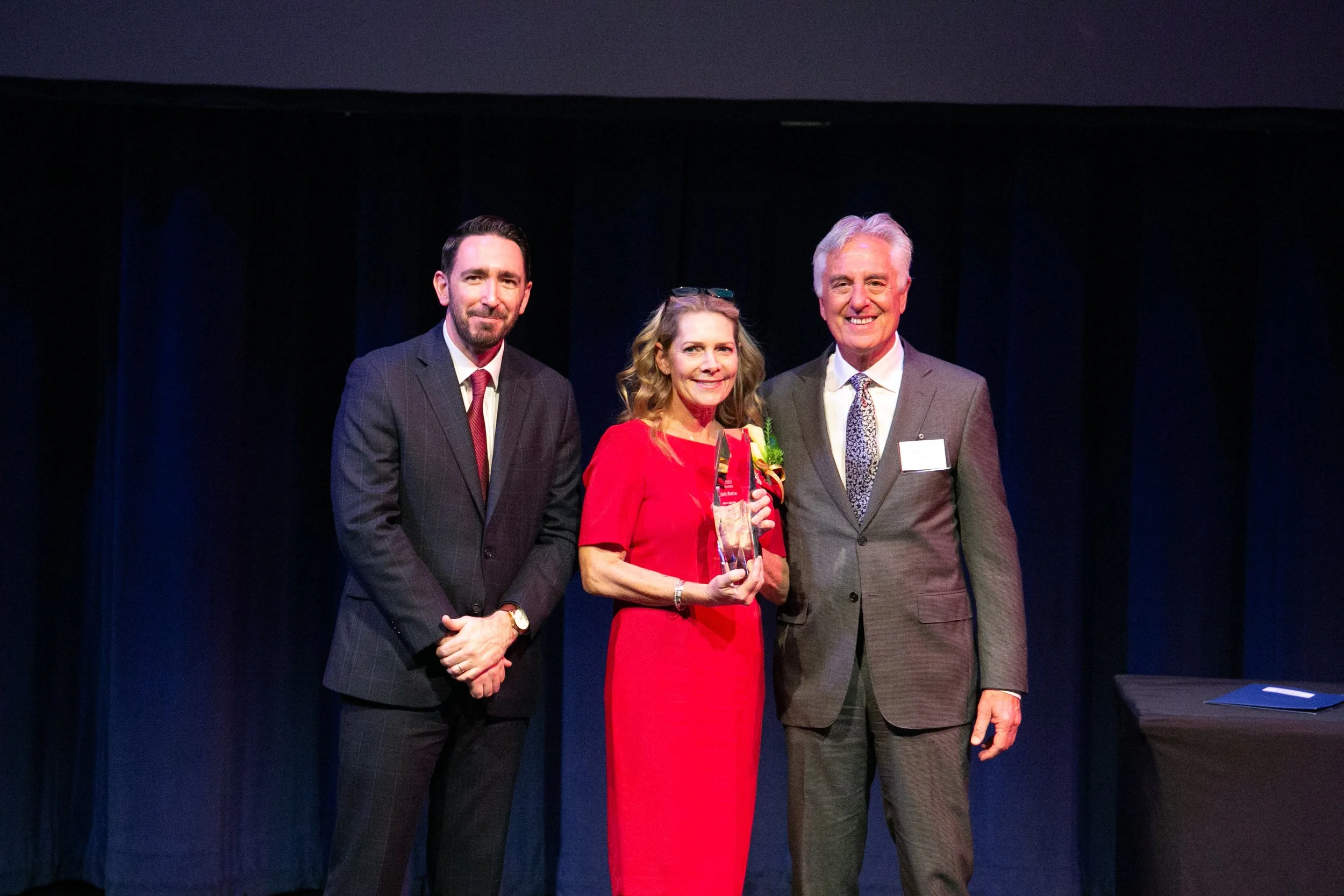
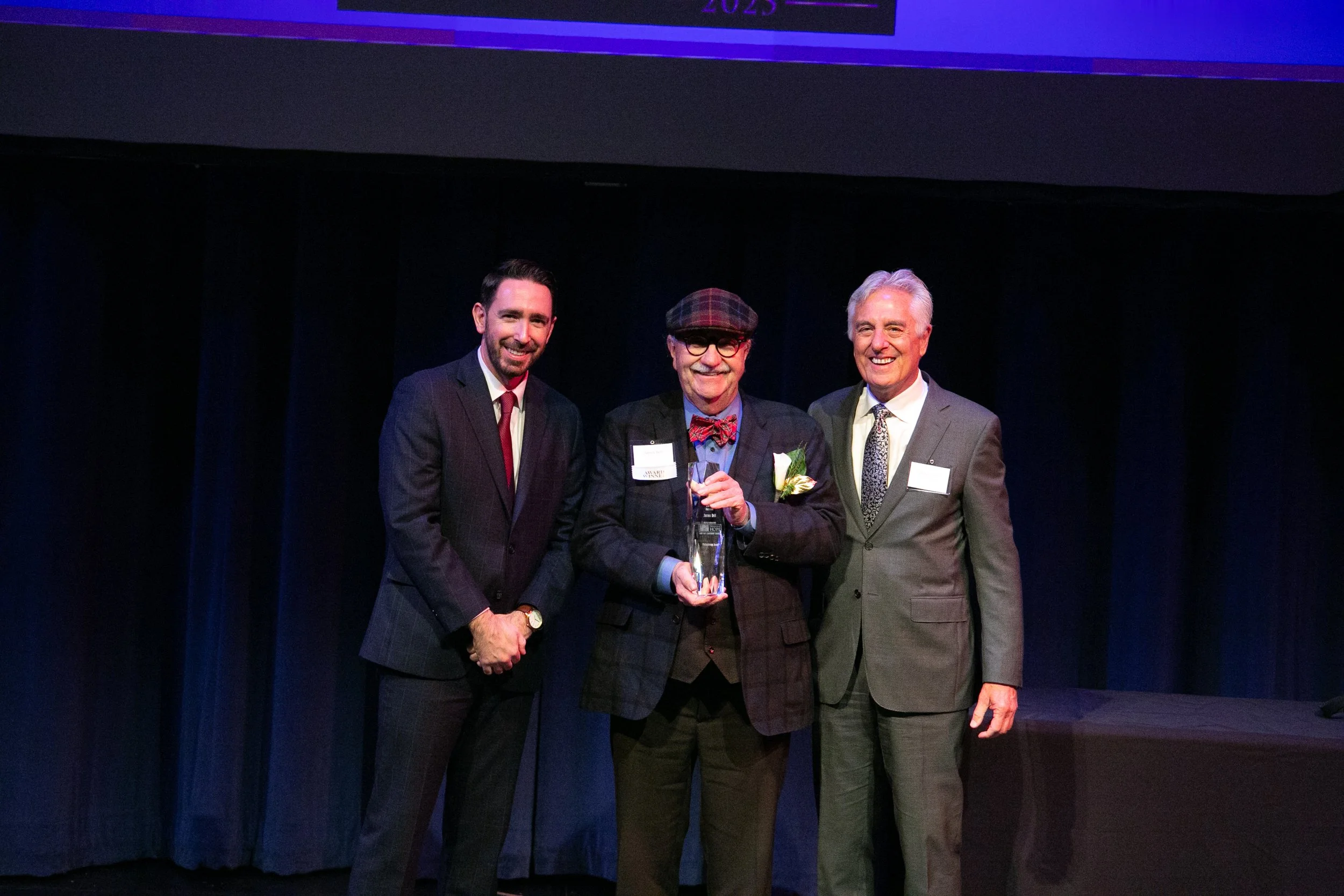
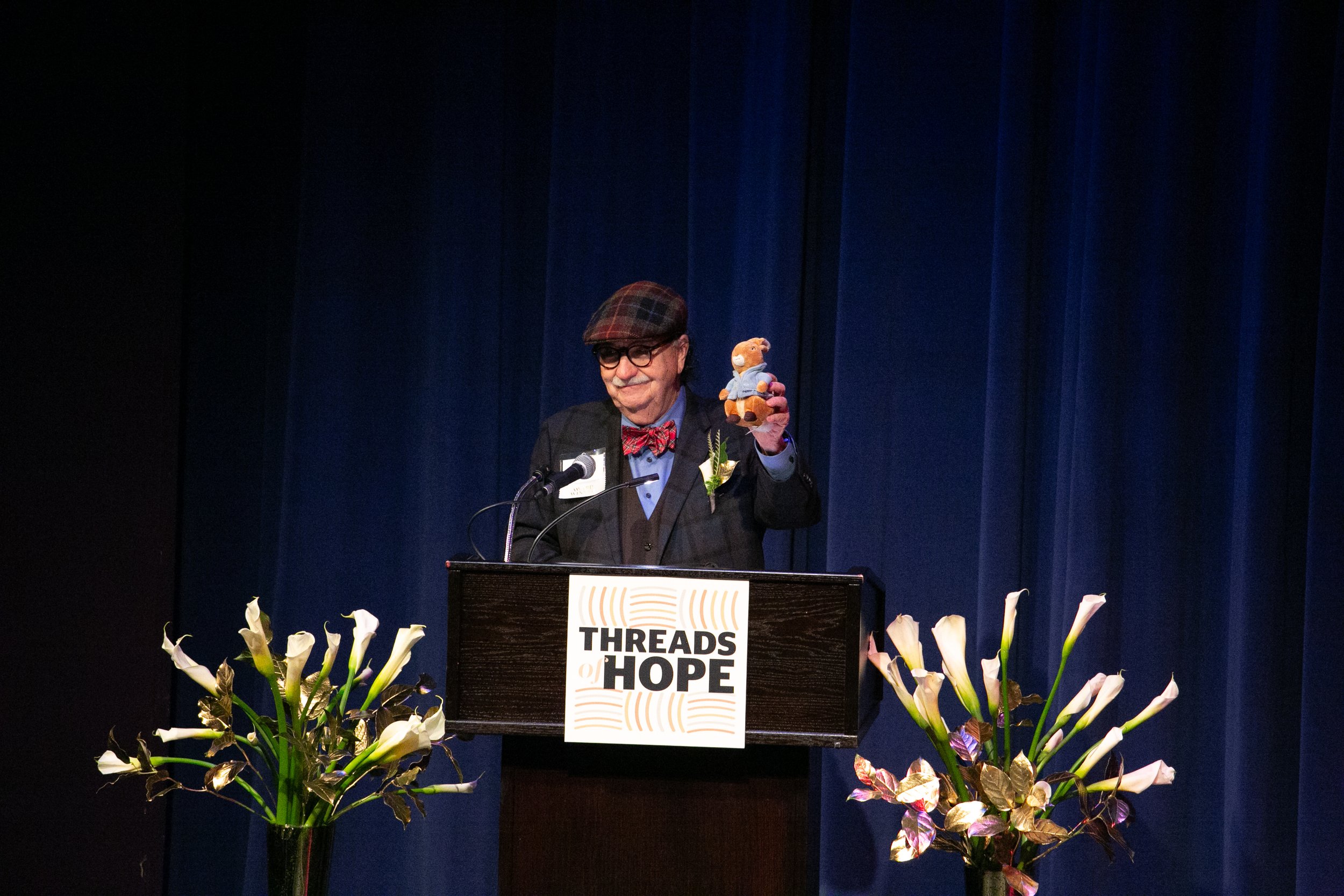
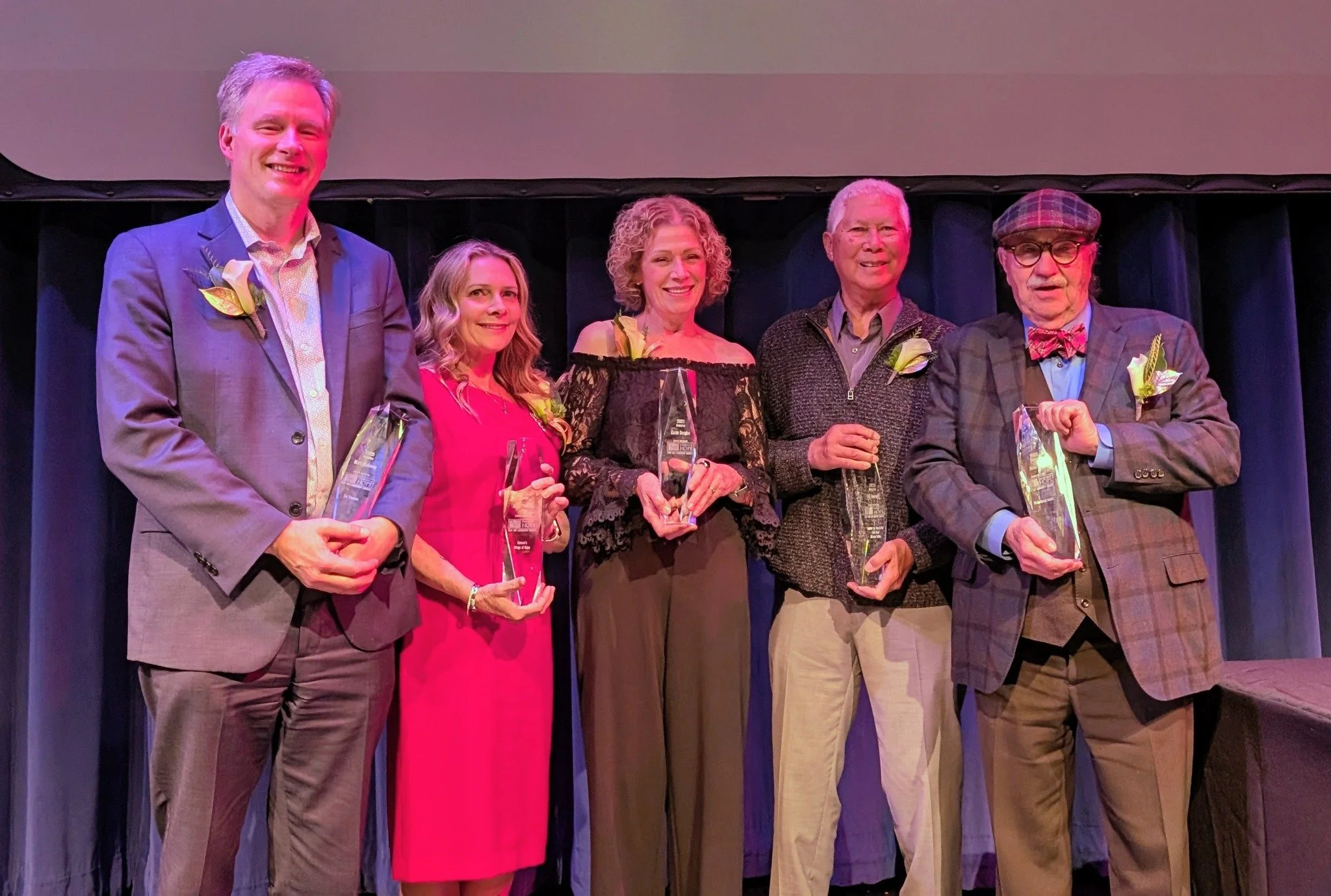


250 attendees
5 inspirational honorees
100% ticket proceeds donated to featured nonprofits
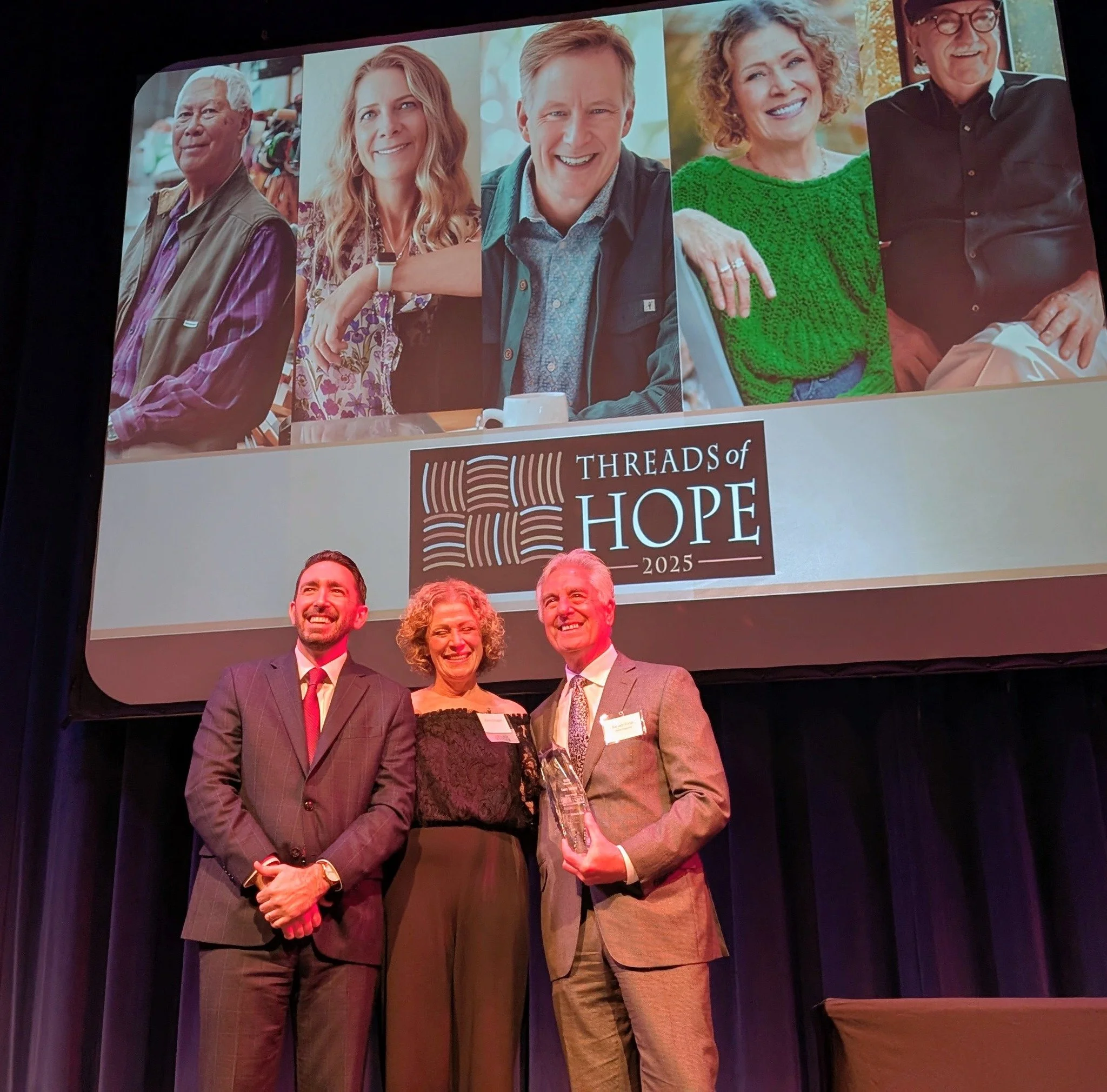
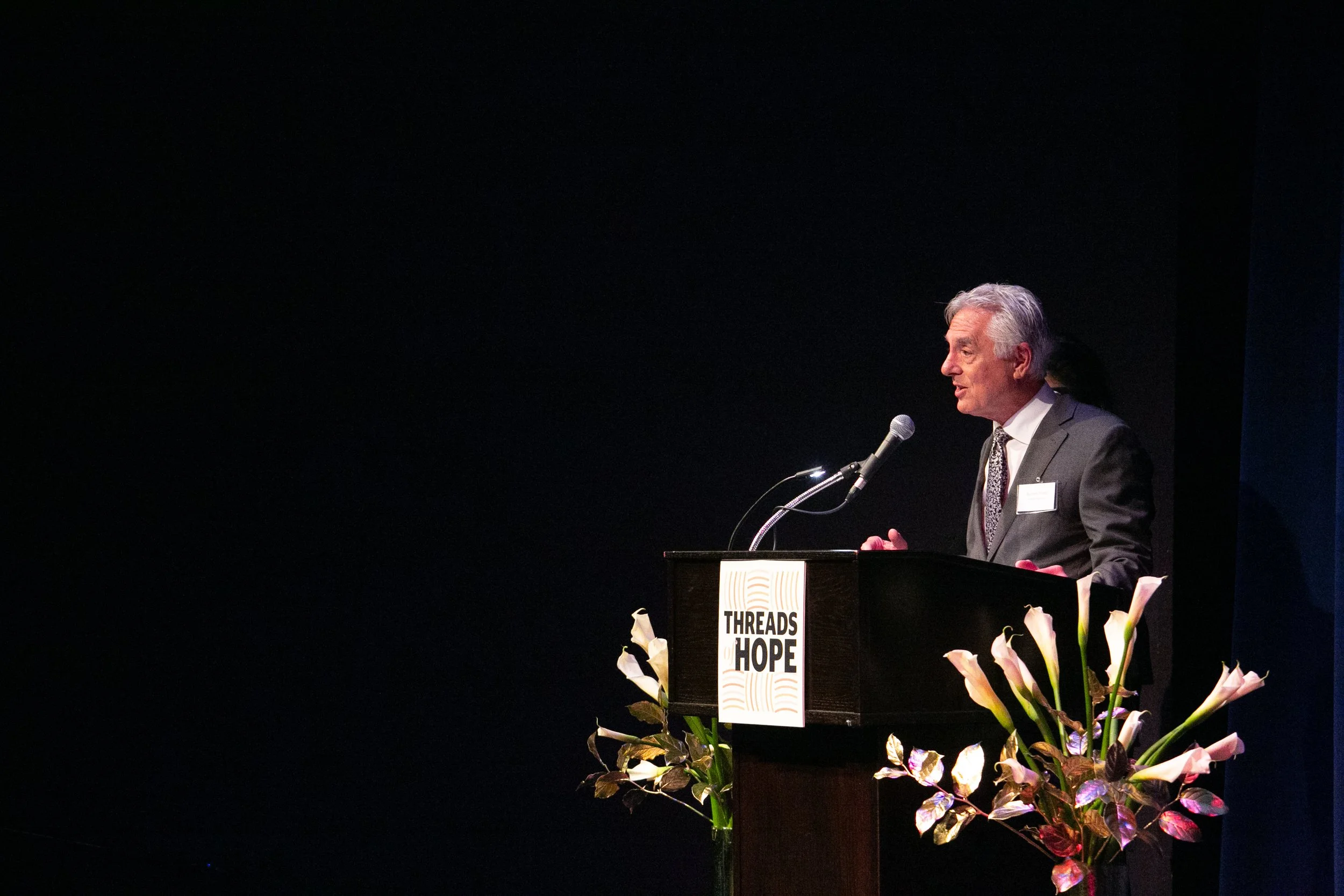
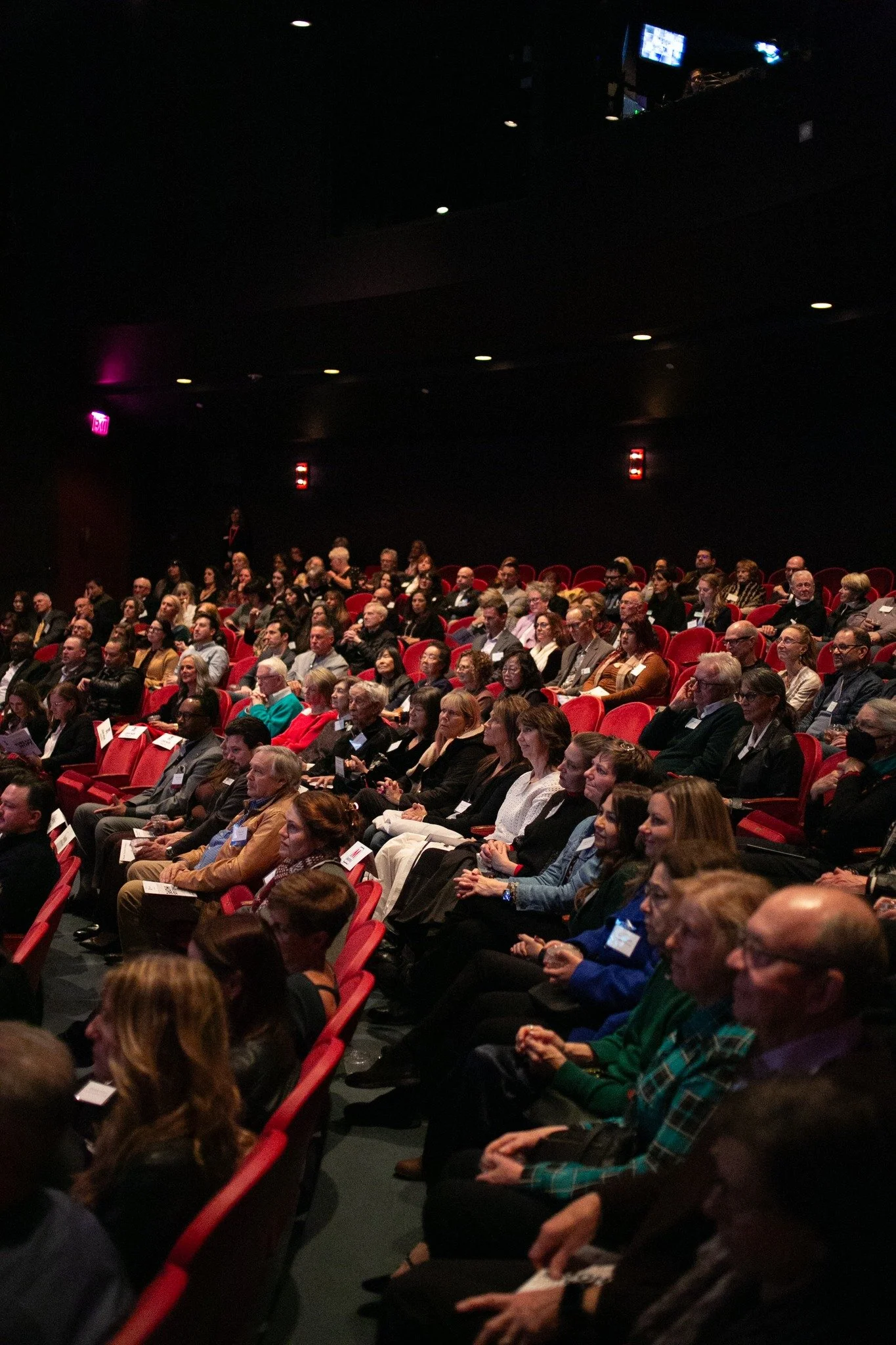
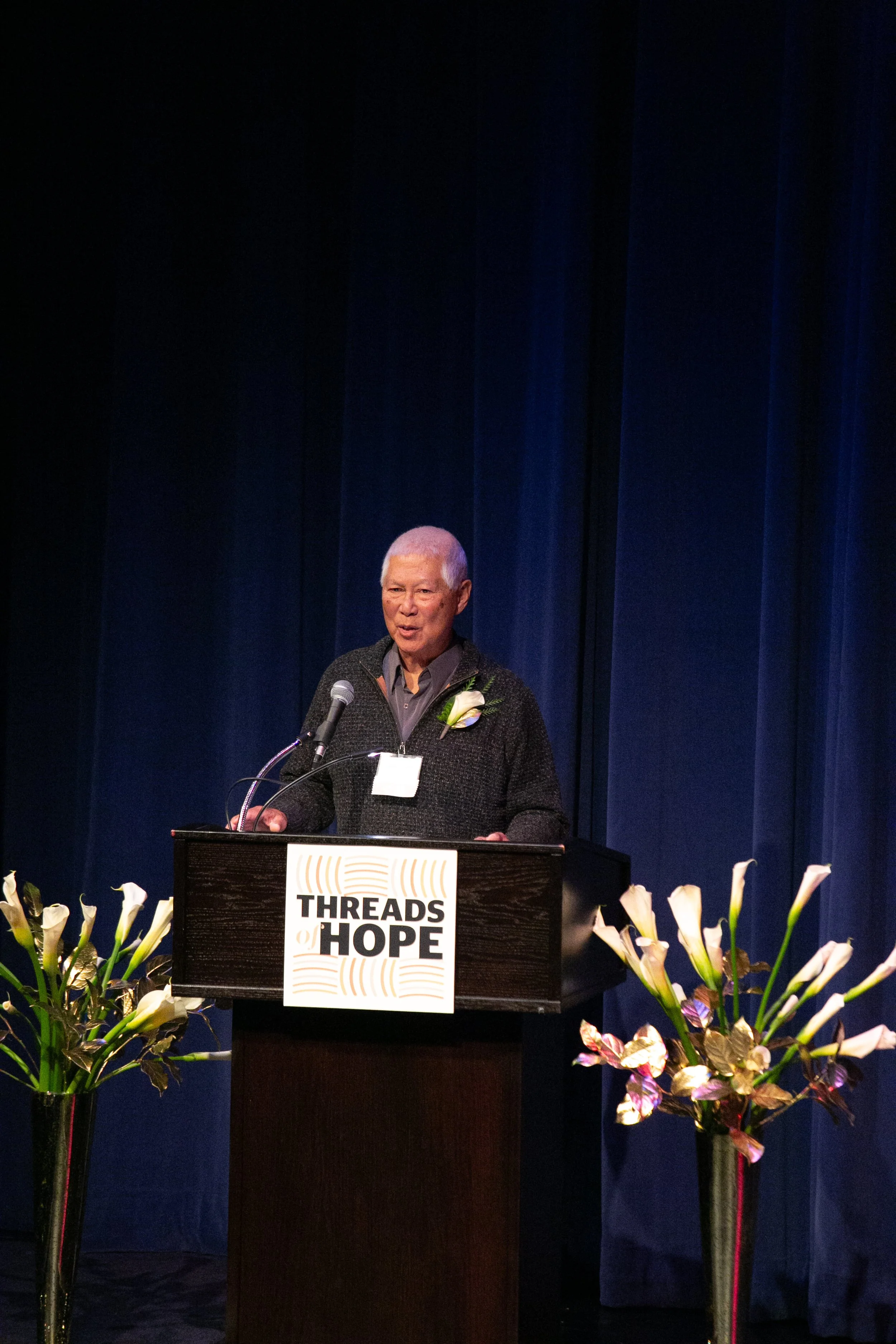
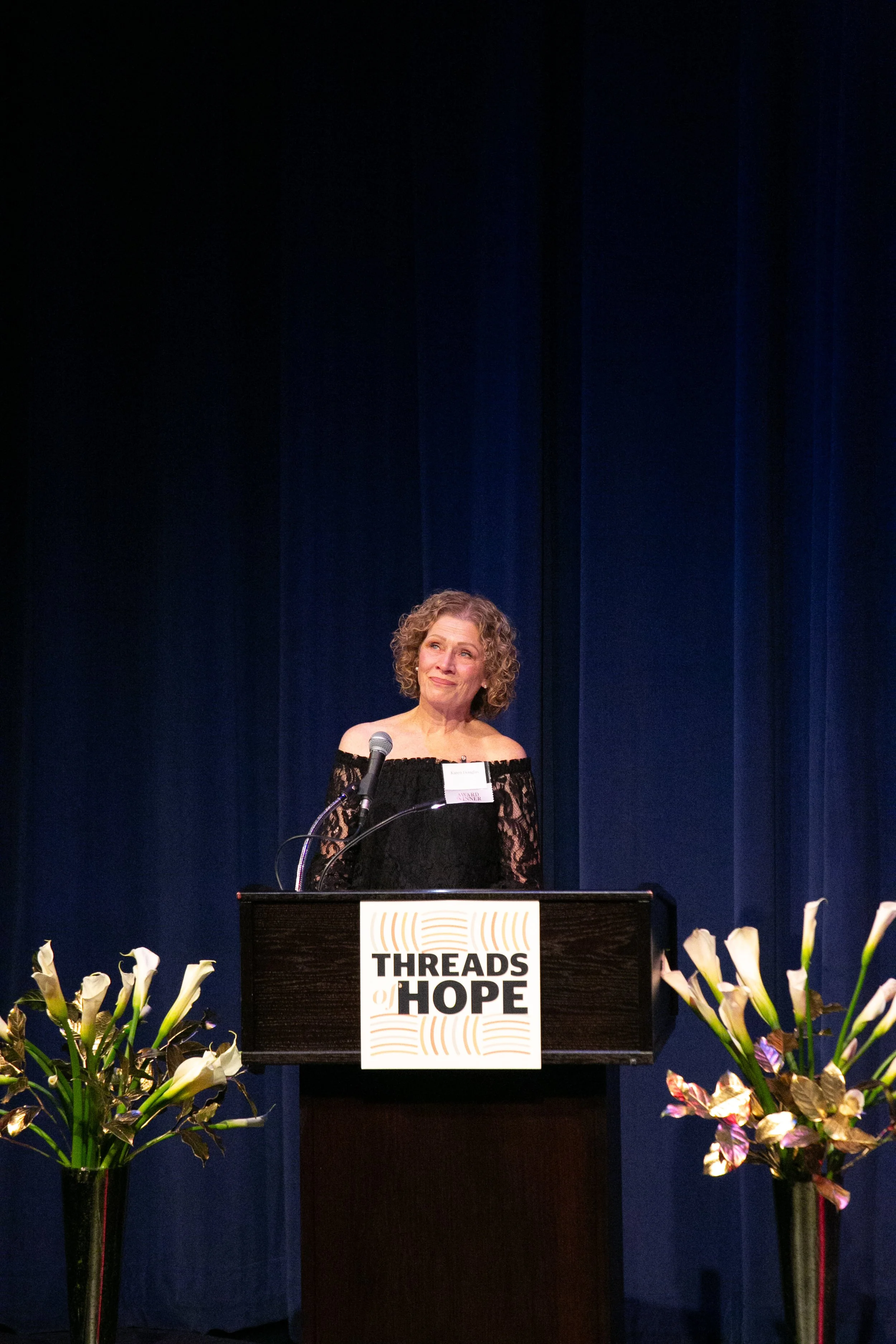
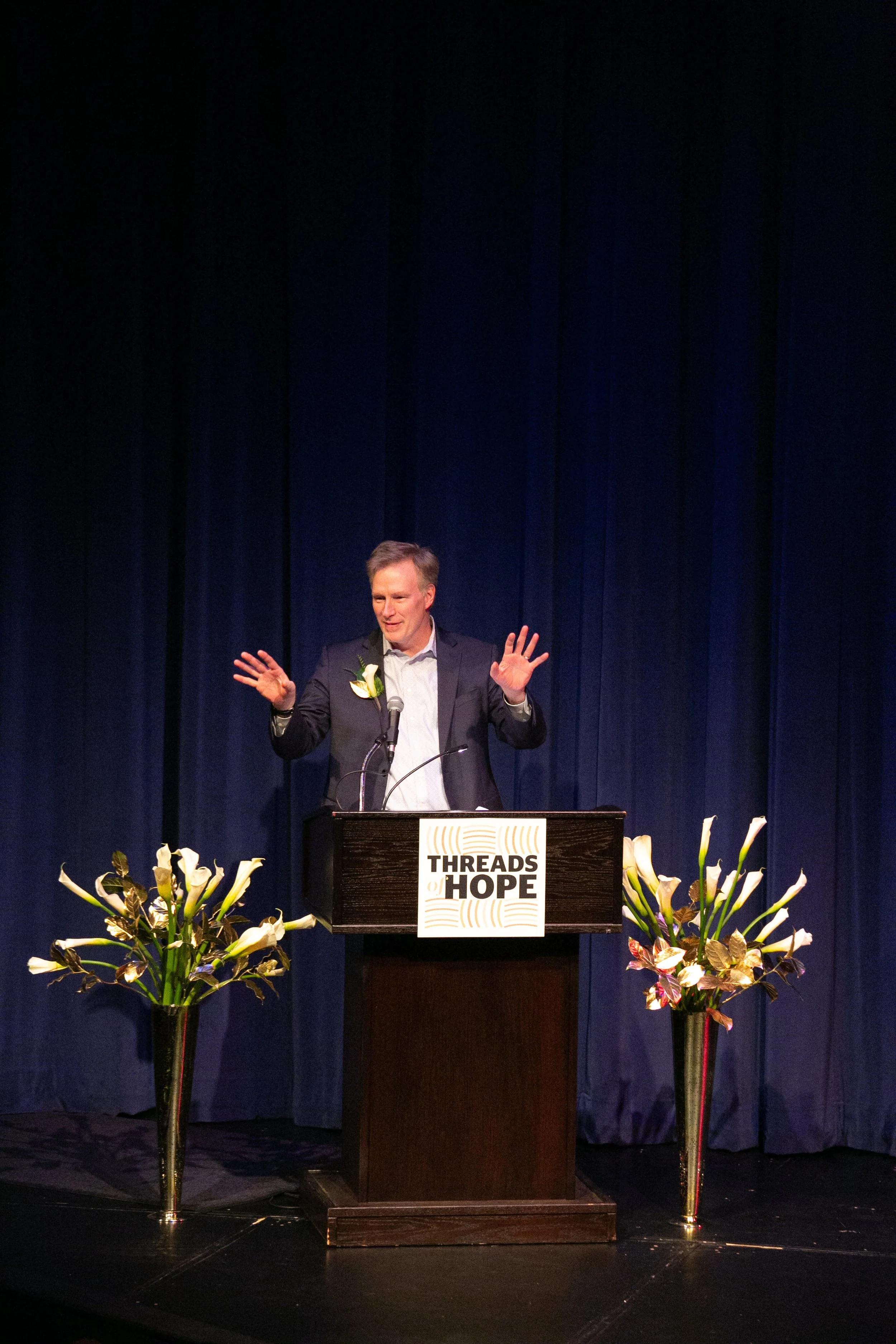
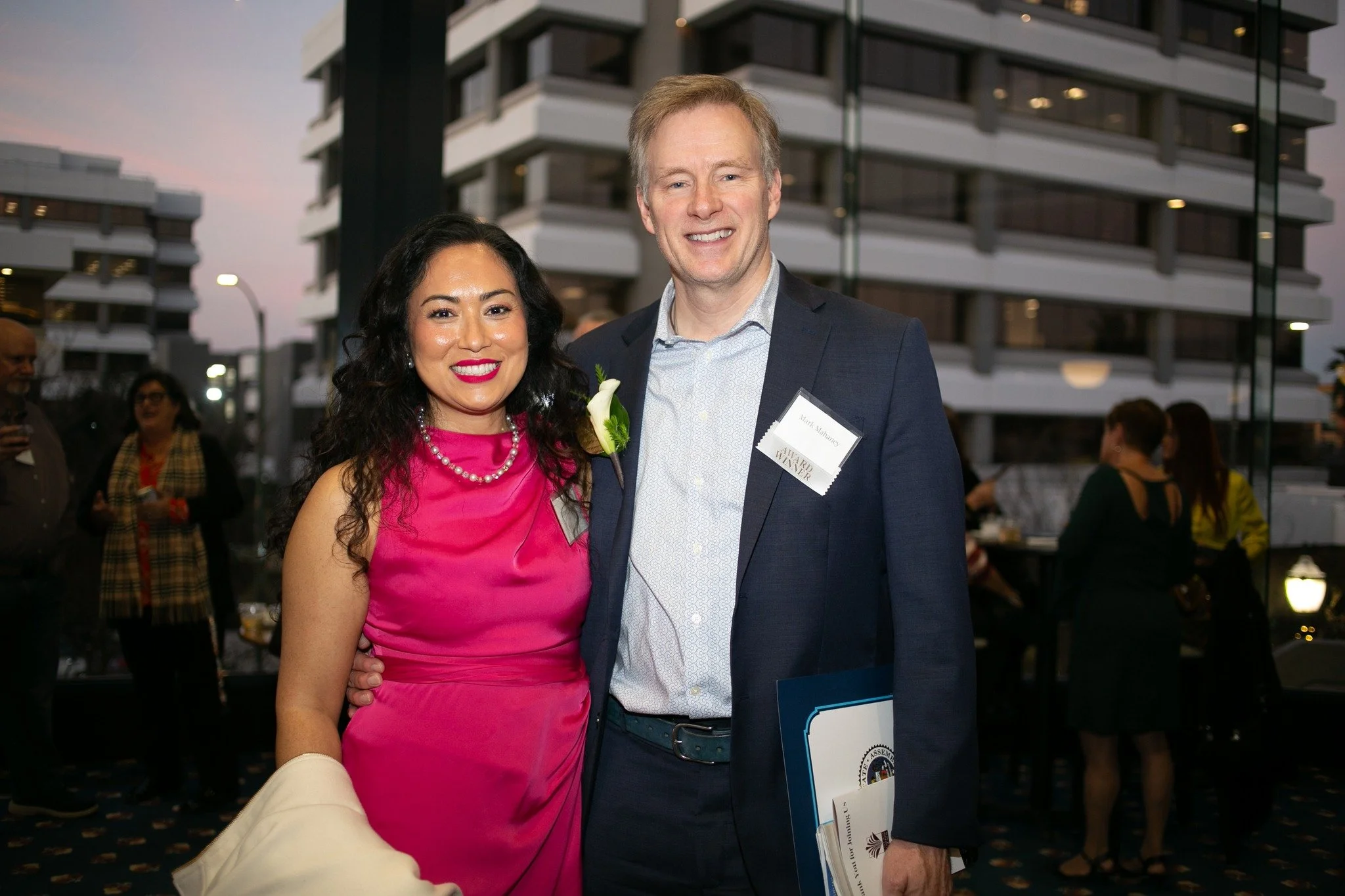
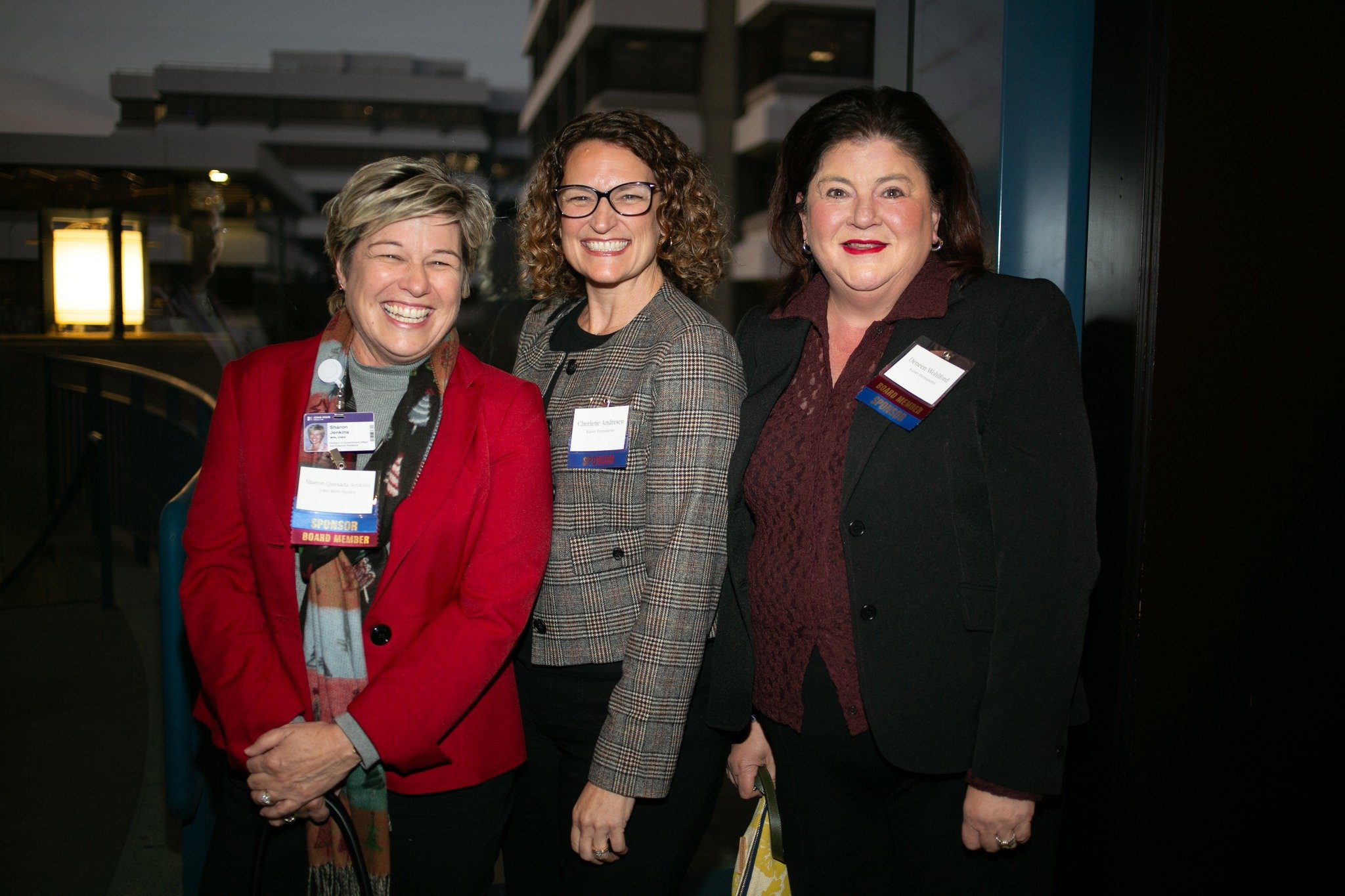
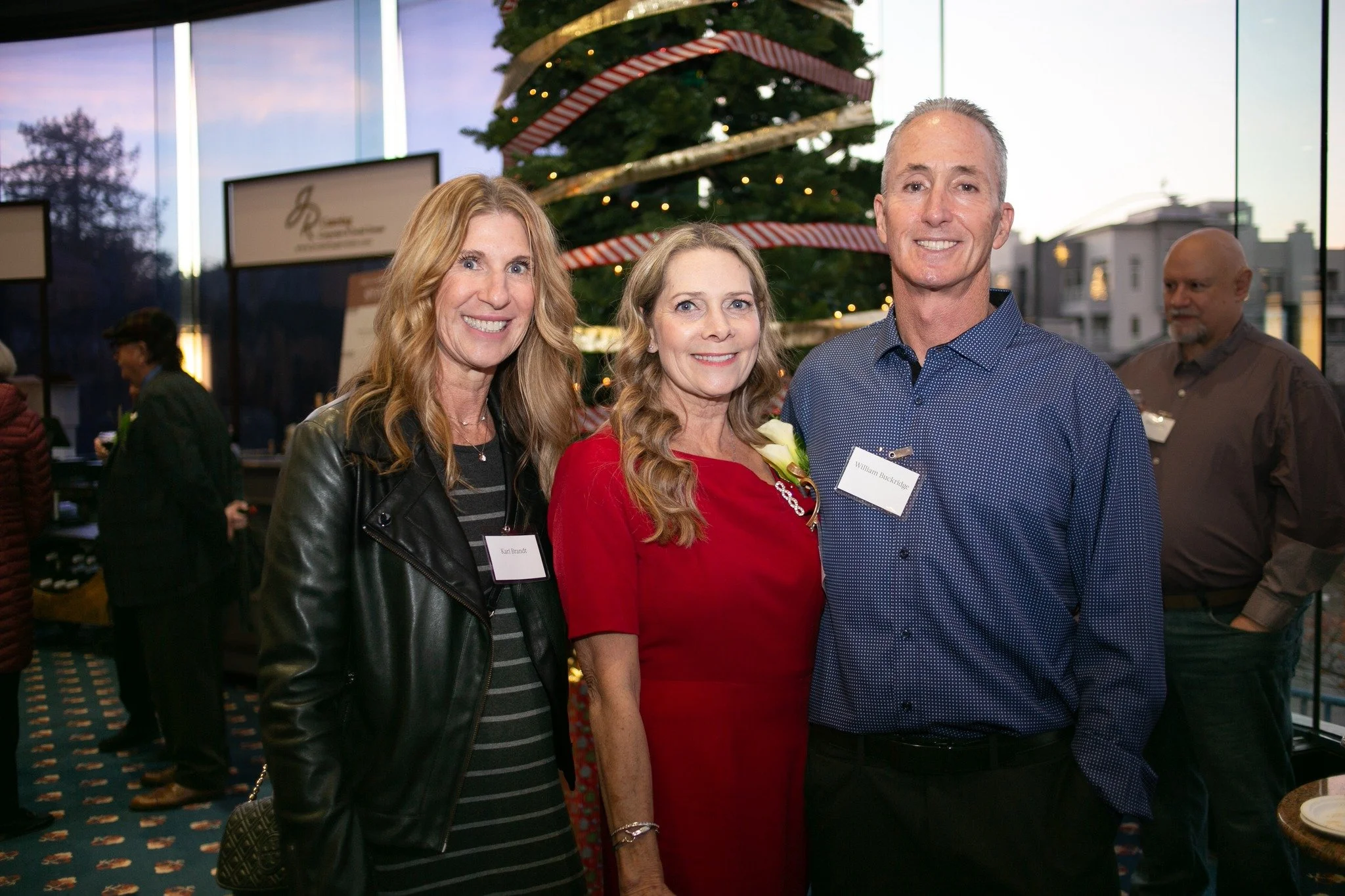
Presented in partnership with Diablo magazine, this inspiring celebration honored five exceptional volunteers and philanthropists whose generosity is strengthening our community. From advancing senior and disability care and restoring housing, to expanding overdose prevention education and championing the arts, each honoree exemplified the power of community and the impact of giving. All proceeds from the event were donated directly to the organizations represented by the honorees, amplifying their work and extending the evening’s impact well beyond the celebration.
Collaborative Programming
800 new audience touchpoints
8 partner-led programs
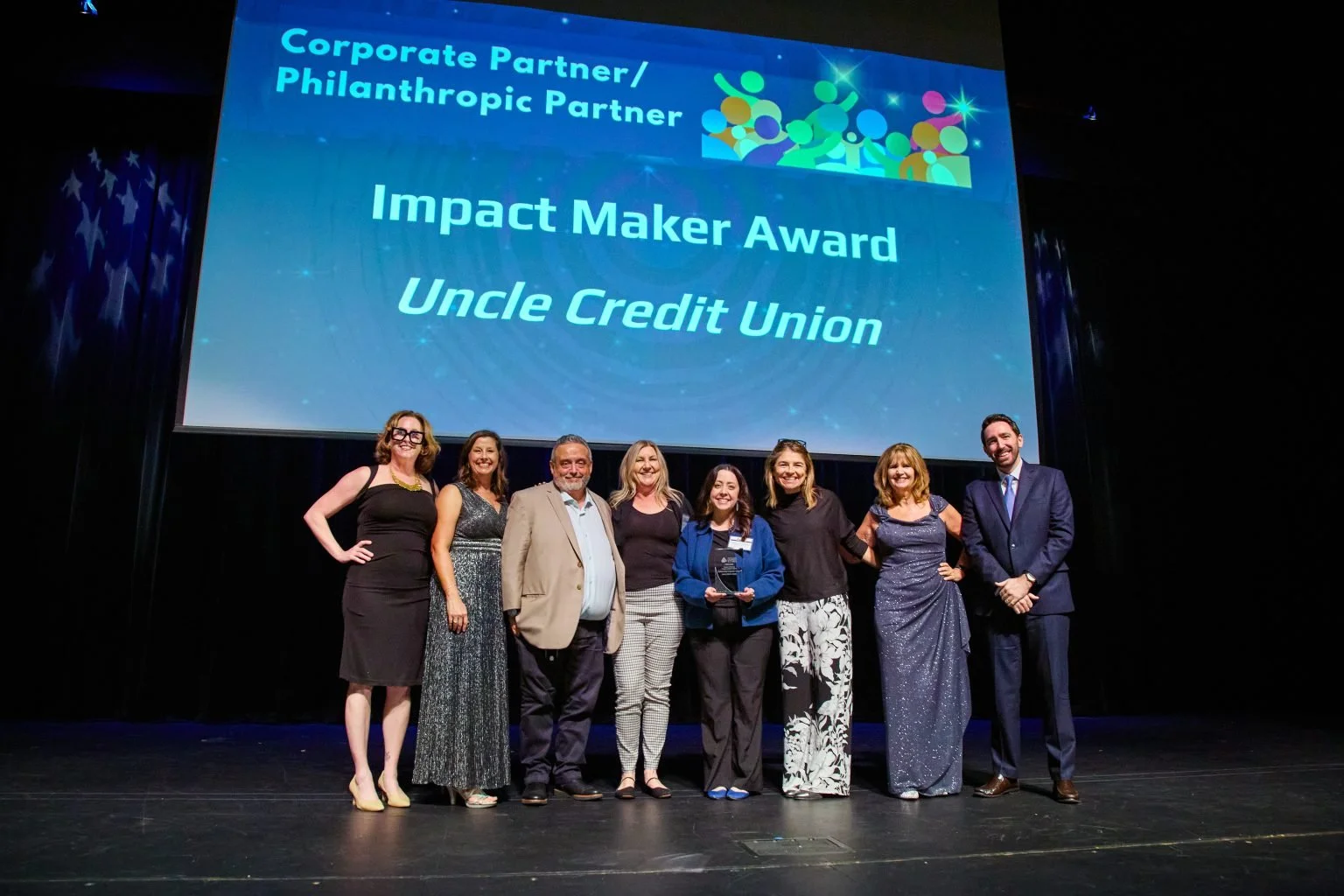
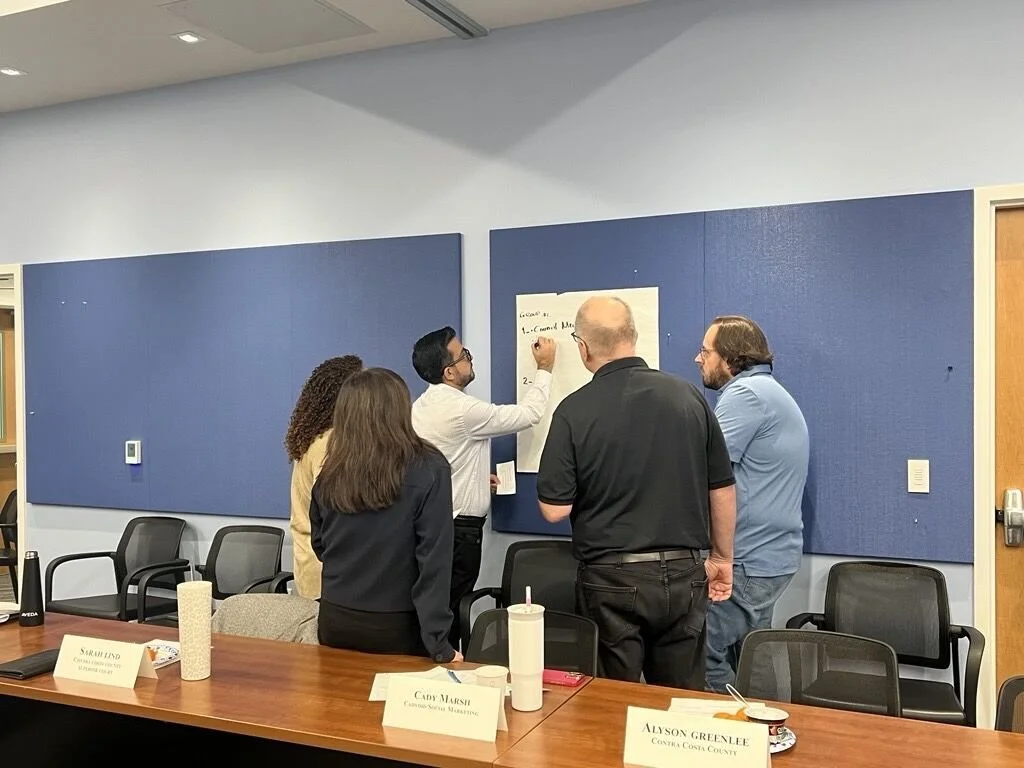
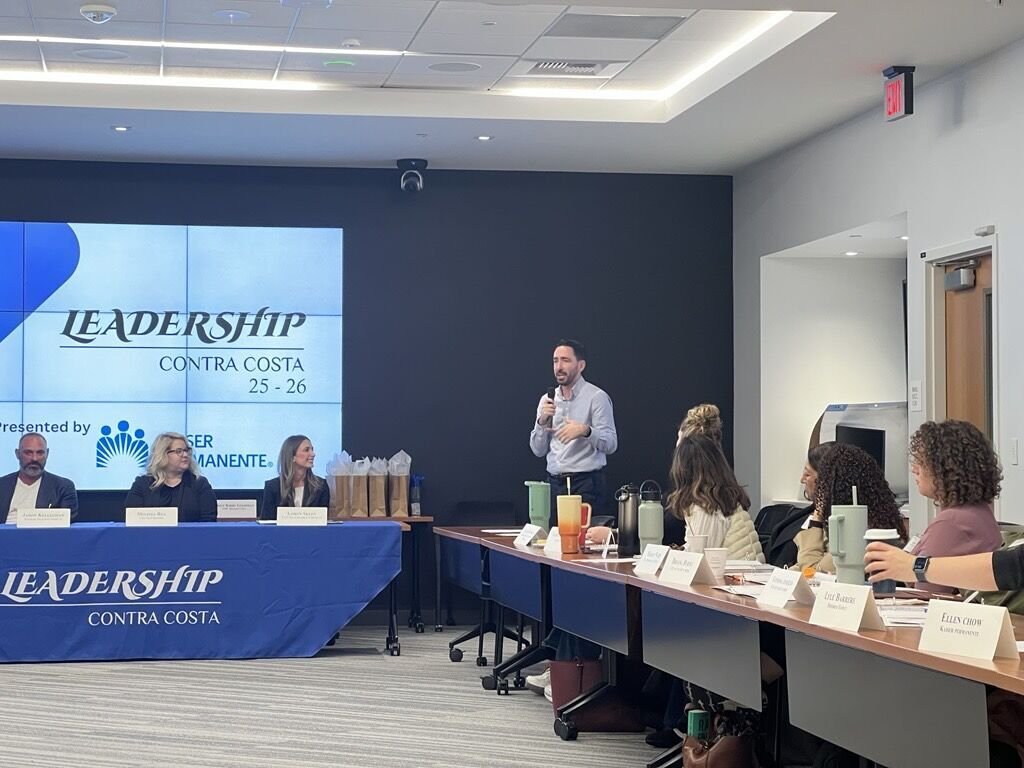
In 2025, EBLC leveraged its expertise and regional connections through a collaborative calendar of partner-led events, with EBLC leaders serving as hosts, panelists, issue experts, moderators, and judges across community-centered programs.
These collaborations expanded EBLC’s reach across multiple sectors and communities, with partner events spanning the region. Partners included the Contra Costa Economic Partnership (CCEP), Tri-Valley Nonprofit Alliance, Contra Costa Bar Association, Innovation Tri-Valley Leadership Group, CCIM Institute, Industrial Association, and local Chambers of Commerce.
Thank You to Our Event Sponsors
Every EBLC event is made possible by the generosity of our sponsors. By supporting our programs, sponsors help celebrate changemakers, foster meaningful dialogue, and strengthen the East Bay’s civic and business communities.






Program Portfolio

EBLC’s Program Portfolio builds civic, economic, and workforce leadership across the East Bay. Together, these initiatives create a continuum of engagement — from nonprofit governance and public service to workforce development and regional data infrastructure.
Build the Bench
Impact
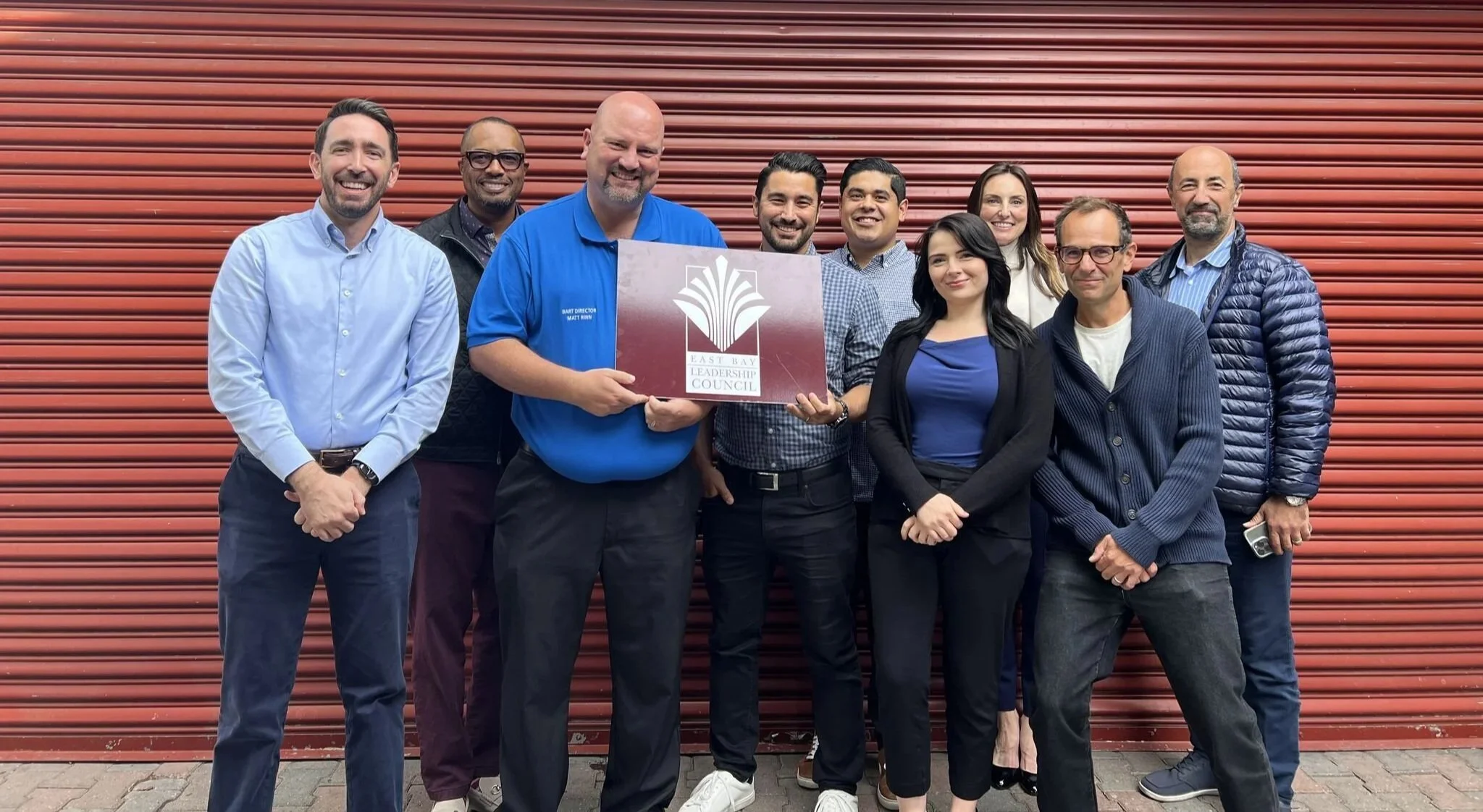
Build the Bench is EBLC’s flagship candidate training program, designed to prepare aspiring leaders to run winning, ethical, and effective local campaigns. The program demystifies the political process and equips participants with practical tools for campaign planning, fundraising, messaging, and voter engagement.
-
In 2025, the program welcomed a cohort of eight participants from Brentwood, Concord, Danville, Fremont, Lafayette, Martinez, Oakley, and Walnut Creek.
Participants engaged with a refreshed curriculum that supported the development of customized campaign plans and introduced additional lessons on campaign ethics, what it’s like when you win, and digital advertising.
Reflecting the program’s growth over time, Build the Bench now goes beyond campaign fundamentals to foster thoughtful dialogue about good governance, public ethics, and effective leadership once in office.
Since its inception in 2017, 50 leaders have completed Build the Bench. Of those, 28 have run for public office, and 21 have been elected or appointed to city councils, special districts, school boards, and commissions.
The program has become a reliable pipeline for emerging leaders engaged in public service across Contra Costa and Alameda Counties. Looking ahead, Build the Bench will focus on expanding outreach, strengthening alumni engagement, and deepening selected curriculum topics.
We also intend to align Build the Bench more closely with Engage East Bay to support an ongoing continuum of civic leadership.
Engage East Bay
Impact
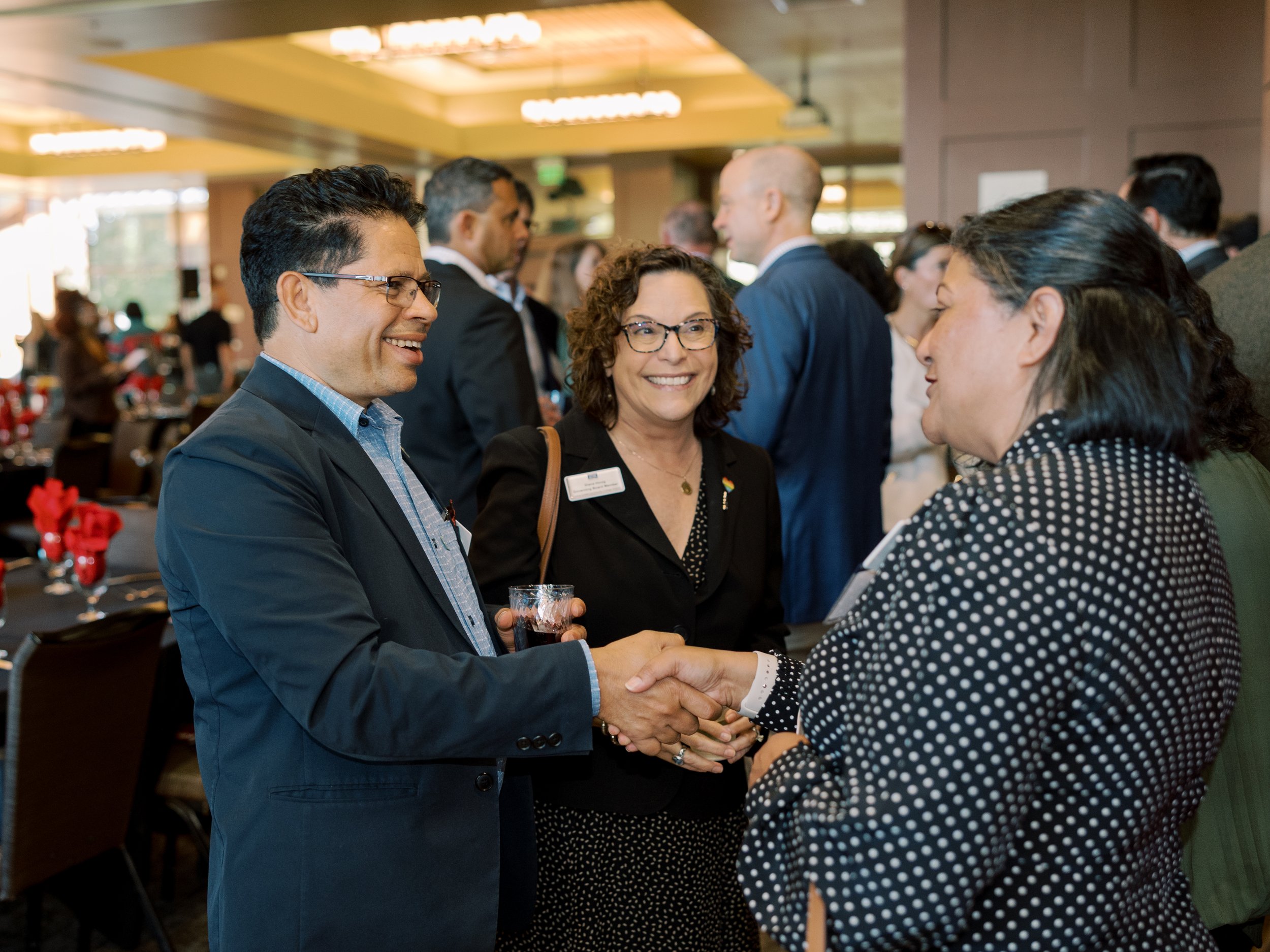
Engage East Bay strengthens the region’s civic infrastructure by connecting talented professionals with nonprofit board service opportunities. EBLC supports this initiative in partnership with the Contra Costa Economic Partnership (CCEP). Thriving communities depend on well-governed nonprofits. The East Bay’s future depends on a deep bench of leaders ready to engage in public life.
-
In 2025, Engage East Bay continued to grow through word-of-mouth and targeted outreach. We engaged 101 individuals interested in board service and maintained a database of 91 nonprofits seeking board members.
The message was consistent: demand for capable, committed nonprofit leadership is widespread. Threads of Hope served as a key platform to expand visibility and engagement.
Together, these efforts position Engage East Bay as a practical connector between civic-minded professionals and the nonprofits that sustain regional quality of life.
Looking ahead, Engage East Bay will focus on broadening recruitment through civic organizations and corporate leadership programs. We will work to improve readiness with practical onboarding and governance resources in collaboration with partners in the region.
Healthcare Workforce Initiative
Impact
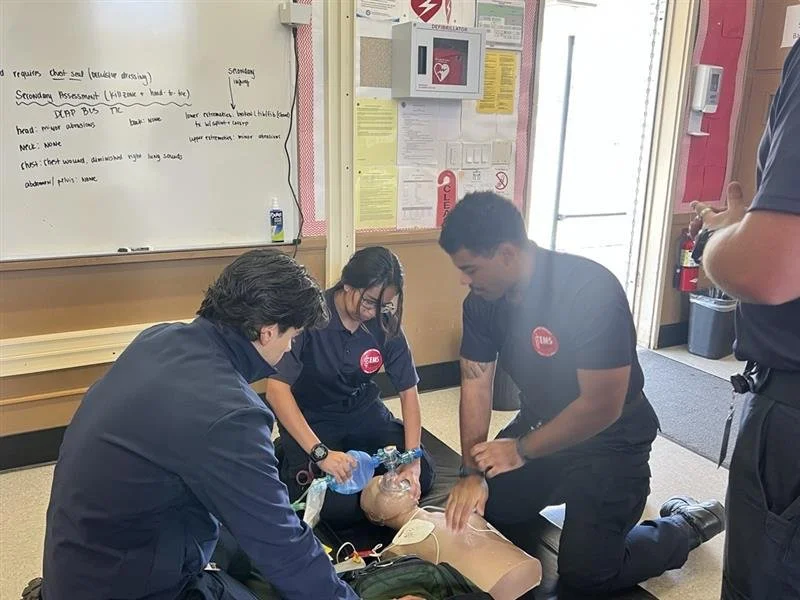
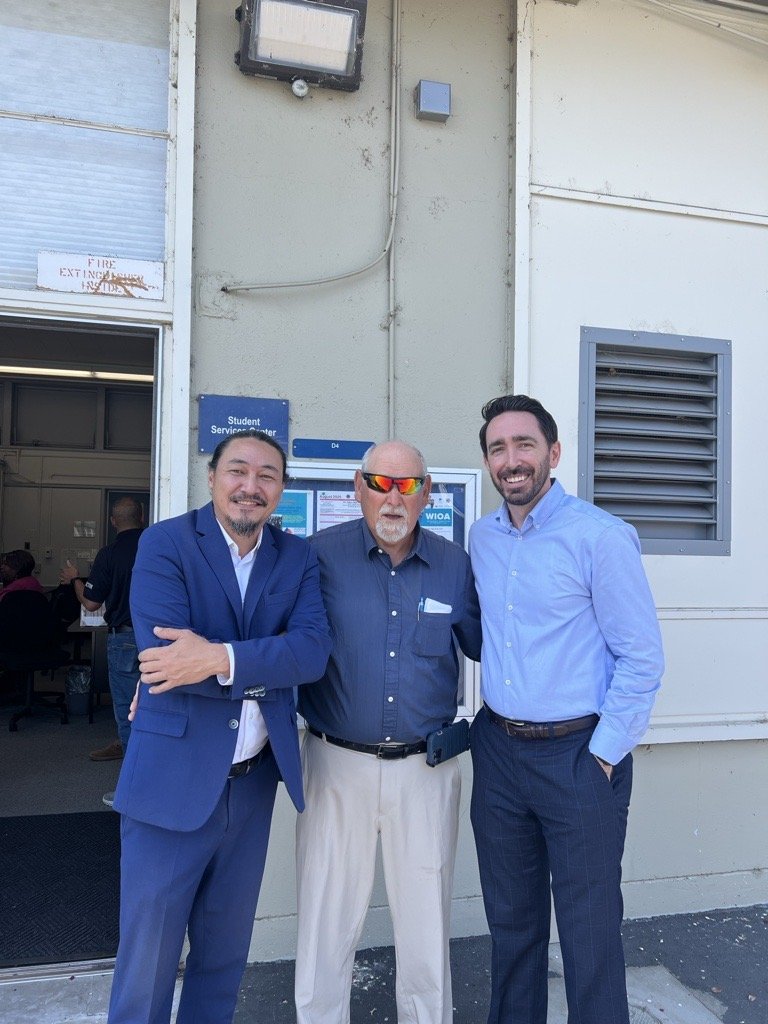
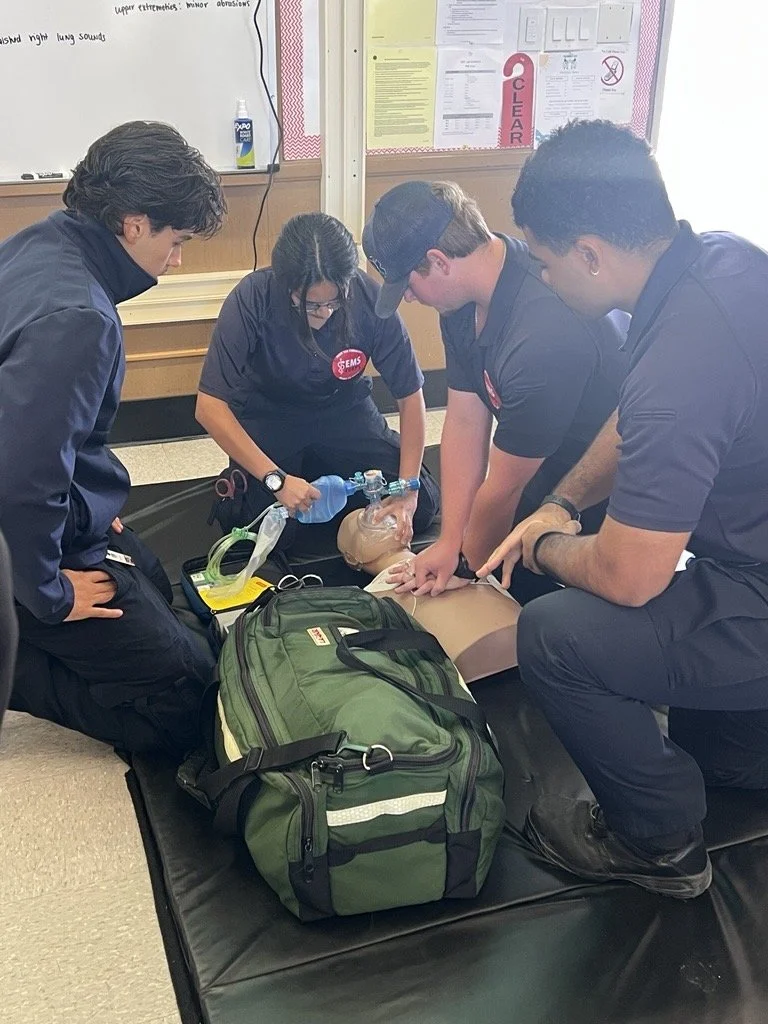
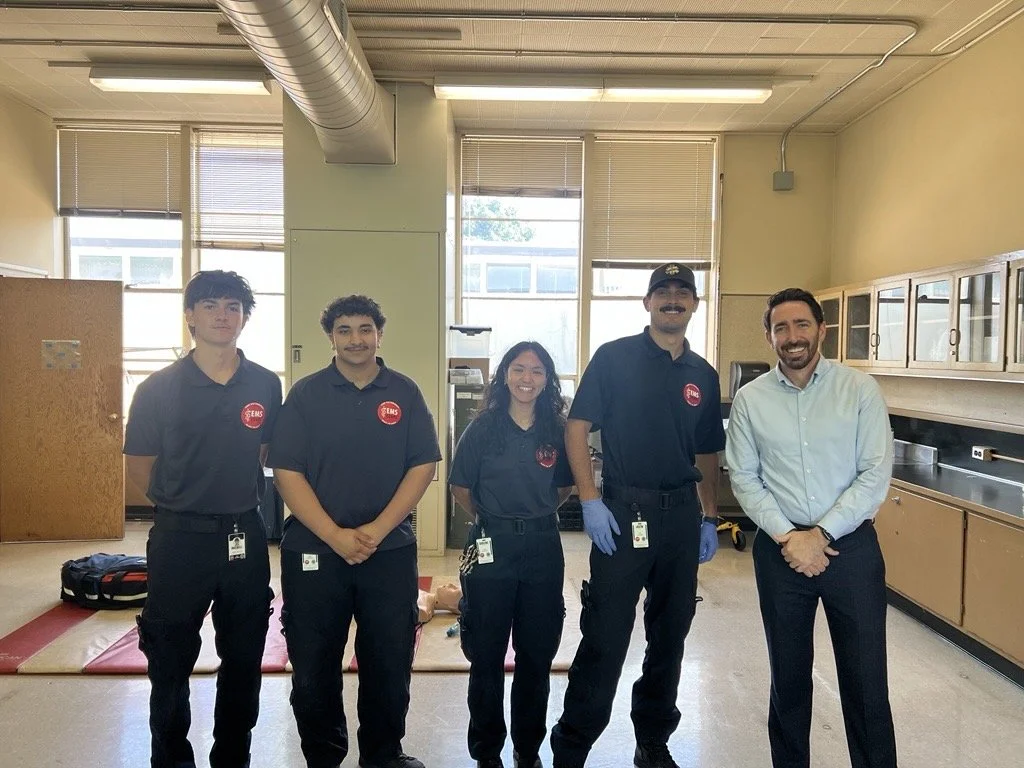
The Healthcare Workforce Initiative is a cornerstone effort of the Contra Costa Economic Partnership (CCEP) — EBLC’s sister organization. It builds inclusive, career-connected pathways into the healthcare workforce by aligning employers, training providers, and community partners around shared workforce needs. A key driver of this work is EMS Corps, which equips local residents with the skills, certifications, and support needed to launch careers in emergency medical services and other allied health fields. By pairing technical training with personal development, this initiative shows how workforce strategies can meet both community and employer needs.
-
In 2025, the Healthcare Workforce Initiative advanced the EMS Corps, with one cohort graduating and another beginning its training. Each EMS Corps class includes about 20 participants, all of whom receive a stipend and ongoing life-coaching support so they can earn while they learn.
Upon graduation, participants receive a job placement, providing immediate employment in a high-demand field. This holistic model helps address common barriers to completion, builds professional confidence, and strengthens the region’s healthcare workforce.
Looking ahead, the Healthcare Workforce Initiative will focus on expanding partnerships with additional employers and education partners, and exploring opportunities to extend this approach to other industries.
We will also prioritize sustaining the wraparound supports— stipends, coaching, and related services— that help participants complete training and transition into employment.
Healthcare Workforce Partnerships
EMS Corps is made possible through a strong network of regional partners. Together, these organizations bridge education, labor, and industry to deliver a coordinated training and employment model that directly serves the East Bay’s evolving healthcare needs.


Regional Data & Insights
Impact
Through our sister organization, the Contra Costa Economic Partnership (CCEP), EBLC is investing in the infrastructure and partnerships needed to build a data-rich regional ecosystem. In collaboration with the East Bay Economic Development Alliance (East Bay EDA), this work helps ensure policymakers and civic leaders have access to high-quality economic and workforce information to support informed decision-making.
-
CCEP’s investments in economic and workforce data strengthen the region’s ability to understand and respond to changing labor market conditions. The partnership helps ground the East Bay’s economic narrative in reliable evidence and share it across institutions.
In addition to regional research, CCEP helped commission a local poll focused on cost of living issues and is investing in tools to monitor policy activity across local and regional agencies, strengthening the data pipeline that informs EBLC’s advocacy and strategic engagement.
Looking ahead, this work will focus on deepening collaboration with business organizations, workforce boards, and higher education institutions.
Membership

The East Bay Leadership Council is strong because of our members. We depend on a diverse and engaged membership of employers to help us lead the charge on the most pressing issues facing the region’s economy and quality of life. As a member you have the opportunity to:
Shape public policy that impacts the East Bay's economy and quality of life.
Connect with key leaders in business, government, and the nonprofit sector.
Participate in events where pressing issues like housing affordability, transportation access, and workforce development are discussed.
Gain visibility and demonstrate your commitment to strengthening the region.
“EBLC is a microcosm of what the world should be: collaborative, inclusive and stubbornly hopeful.”

EBLC Leading Members